Baghdad-Erbil Understandings Bolster Expansion of Iraq’s Revenue Base
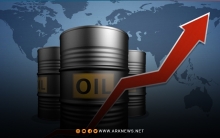
ARK News.. An Iraqi source revealed that the country recorded a fiscal deficit exceeding 12 trillion dinars by the end of July. However, the source pointed to a notable development: non-oil revenues have risen to 10% of total public revenues for the first time in Iraq’s modern financial history, alongside the Kurdistan Region’s contribution to the federal treasury.
According to a report by Eco Iraq Monitor, total public revenues stood at 72.03 trillion dinars by the end of July, broken down as follows:
Oil revenues: 64.96 trillion dinars
Non-oil revenues: 7.07 trillion dinars (10% of the total)
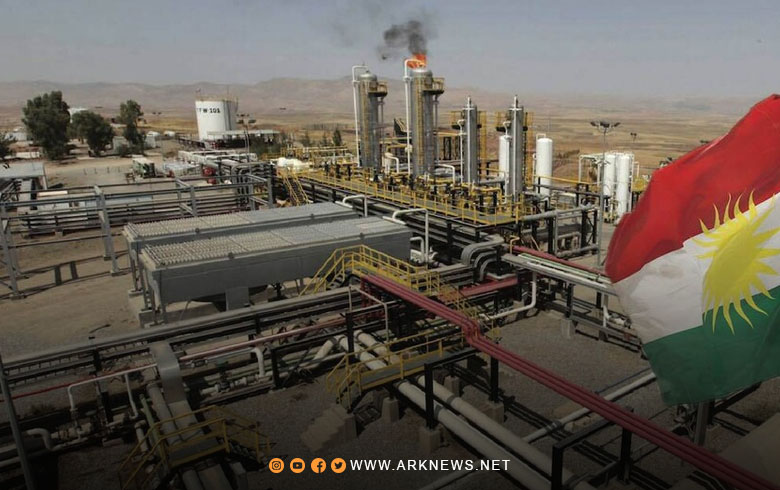
The report also noted that the Kurdistan Region transferred 439.34 billion dinars to the federal treasury as part of its commitments under the oil agreement between Baghdad and Erbil.
Economists highlight two key implications:
The oil deal between Baghdad and Erbil has succeeded in generating additional revenues that strengthen the federal treasury and ease financial pressures.
The surge in non-oil revenues marks the beginning of a strategic shift toward diversifying income sources and reducing Iraq’s heavy dependence on oil.
On the expenditure side, the monitor reported total spending of 84.18 trillion dinars by the end of July, including:
Current expenditures: 62.27 trillion dinars
Expenditures under the China agreement: 321.13 billion dinars
Oil licensing round expenditures: 8.53 trillion dinars
Investment expenditures: 13.06 trillion dinars
This left Iraq with an actual deficit of 12.15 trillion dinars, underscoring the continued pressure on the state budget despite revenue growth.
Experts stress that strengthening Baghdad-Erbil understandings and expanding the non-oil revenue base are essential pillars for achieving fiscal stability and reducing Iraq’s vulnerability to oil dependency.
427