Oil prices rise as tensions escalate in the Strait of Hormuz
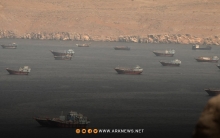
ARK News.. Oil prices climbed by nearly 3% on Tuesday, July 14, 2026, as escalating tensions in the Strait of Hormuz, following the resumption of the U.S. naval blockade on Iran and continued exchanges of attacks between the two sides, raised concerns over potential disruptions to global energy supplies.
Brent crude futures rose by $1.90, or 2.3%, to $85.20 per barrel, while U.S. West Texas Intermediate (WTI) gained $1.91, or 2.4%, to $80.05 per barrel.
Oil futures are contracts to buy or sell a specified quantity of crude oil at a predetermined price for delivery at a future date, making them a key indicator of market expectations. U.S. strategic oil reserves decline Data released by the U.S. Department of Energy showed that the Strategic Petroleum Reserve (SPR) fell by approximately 3 million barrels over the past week to 316.5 million barrels, its lowest level since April 1983.
The decline comes as part of the U.S. administration's authorized release of 172 million barrels aimed at mitigating the impact of the Strait of Hormuz closure on global energy markets.
Global supply remains below pre-war levels Meanwhile, the International Energy Agency (IEA) said in its monthly report released last Friday that global oil supply increased by approximately 4.1 million barrels per day in June following the U.S.-Iran agreement but remained 9.4 million barrels per day below pre-war levels.
Escalating tensions
The developments coincide with the implementation of the U.S. naval blockade on Iran and the continuation of U.S. strikes against Iranian targets for a third consecutive day.
At the same time, U.S. President Donald Trump proposed imposing a 20% tariff to help safeguard maritime navigation through the Strait of Hormuz.
Strategic importance of the Strait of Hormuz The Strait of Hormuz is one of the world's most critical maritime chokepoints, with approximately 20 million barrels of crude oil, condensates, and petroleum products passing through it every day—equivalent to around 20% of global oil consumption—making it a vital gateway for energy exports from the Gulf to Asian, European, and American markets.
Share Print Post
58