52 Years Since the Implementation of the Arab Belt Project in Hasaka: An Open Demographic Wound and Calls for Justice for Victims
ARK News.. Today, Wednesday, June 24, 2026, marks the 52nd anniversary of the implementation of the Arab Belt Project in Hasaka Governorate, the largest demographic engineering operation witnessed in the region. The anniversary comes amid renewed Kurdish calls to address the project's historical consequences, restore rights to those affected, and incorporate the issue into Syria’s ongoing transitional justice process following the fall of the Assad regime.
On this day in 1974, the Regional Command of the Baath Party issued the order to implement the project in Hasaka Governorate.
The Arab Belt Project is widely regarded as a policy of demographic change and Arabization. Under the former Baath regime, agricultural lands owned by Kurds along the Syrian-Turkish border were confiscated and redistributed to Arab farmers brought from the governorates of Raqqa and Aleppo after their lands were submerged by the waters of Lake Assad following the construction of the Euphrates Dam.
These settlers later became known as the “displaced farmers," and dozens of newly established villages were built for them in the region with government support.
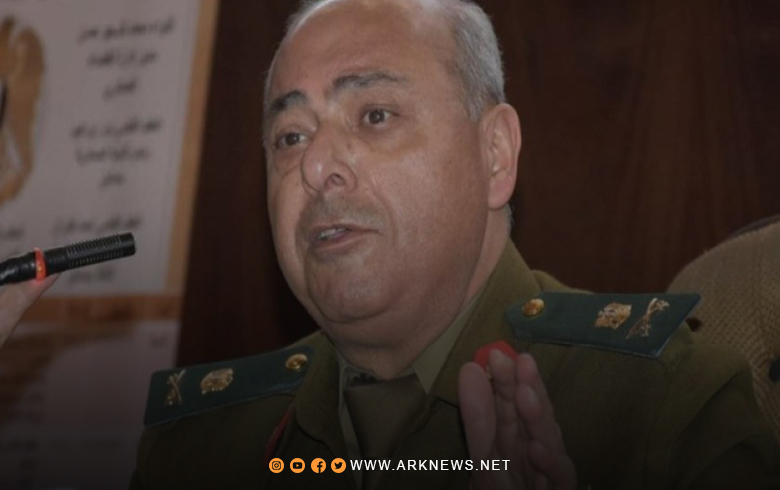
A study prepared in 1963 by former military officer and minister Mohammed Talab Hilal became the foundation of the Arab Belt Project. The plan aimed to remove Kurds from the border strip, settle Arab tribes in their place, and establish armed collective farms for Arab settlers.
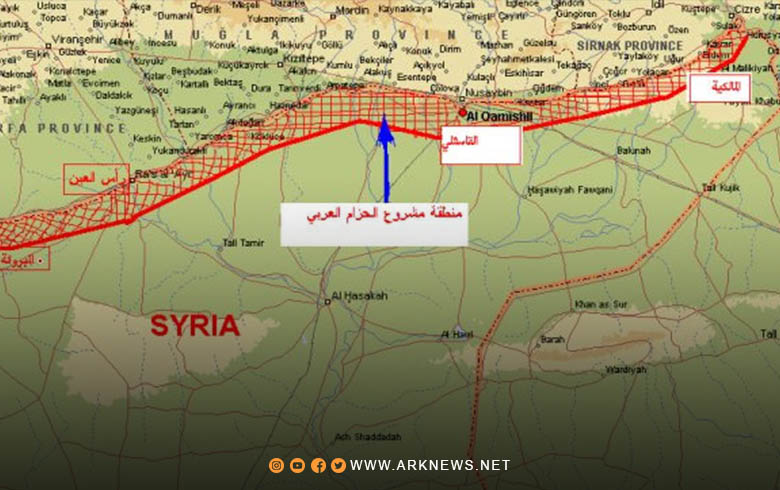
The belt extended for more than 272 kilometers along the border, with a depth of up to 15 kilometers, stretching from the city of Derik to the city of Sari Kaniye.
The project involved the confiscation of more than three million dunams of Kurdish-owned agricultural land from approximately 335 villages and its redistribution to more than 4,000 Arab families, totaling around 40,000 people. These families were settled in 42 residential units and constituted approximately 6 percent of Hasaka Governorate’s population at the time.
The Kurdish political movement opposed the project from the outset. In July 1973, the Kurdistan Democratic Party – Syria issued a statement condemning what it described as racist practices and demographic engineering policies targeting Kurds. The statement characterized the Arab Belt Project as a racist scheme aimed at undermining the Kurdish presence in the region and appealed to Syrian, Arab, and international public opinion.
Following the publication of the statement and the peaceful activities carried out by Kurdish political parties in Syria, the Baath regime arrested a number of senior leaders of the Kurdistan Democratic Party – Syria and sentenced them to prison terms exceeding eight years.
Today, more than half a century after the implementation of the project, and following the fall of the Assad regime, Kurdish groups are calling on Syria’s new government to officially recognize the Arab Belt Project as a historical injustice and a discriminatory policy.
They are also demanding the launch of a legal process to reform land registry records, restore confiscated lands and properties, provide fair compensation to those affected, and adopt a constitution that prohibits ethnic and linguistic discrimination while guaranteeing equality among all components of Syrian society.
44