Kurdish National Council Marks 52nd Anniversary of the Arab Belt Project, Calls for Justice, Equality, and National Partnership
ARK News.. The Kurdish National Council (KNC) in Syria has condemned the Arab Belt Project in Hasaka Governorate, stressing that it was among the most dangerous policies of denial, exclusion, ethnic discrimination, and racial targeting directed against the Kurdish people in their historical homeland, aimed at imposing systematic demographic change and creating forced geographic isolation.
In a statement issued on Wednesday, June 24, 2026, marking the 52nd anniversary of the project's implementation, the Council said that “attempts at ethnic assimilation and demographic engineering have failed to achieve their objectives, and the will of the Kurdish people has proven stronger than all projects of marginalization and erasure.”
The statement added: “We reaffirm the necessity of addressing the consequences of these policies through the realization of justice, the removal of all resulting effects, and the restoration of rights to their legitimate owners.”
The Council further stressed that redressing the grievances of those affected and providing reparations constitute an essential component of the transitional justice process and a prerequisite for building a state based on the rule of law, equal citizenship, and a democratic decentralized system whose constitution guarantees the rights of the Kurdish people and all other Syrian components.
Full Statement
On June 24, Syrians mark the fifty-second anniversary of the implementation of the Arab Belt Project in the Syrian Jazira region, a project that represented one of the most dangerous racist policies and chauvinistic measures targeting the Kurdish people in their historical homeland. The project sought to impose systematic demographic change and create forced geographic separation, leaving profound effects on the social and economic fabric of Kurdish areas.
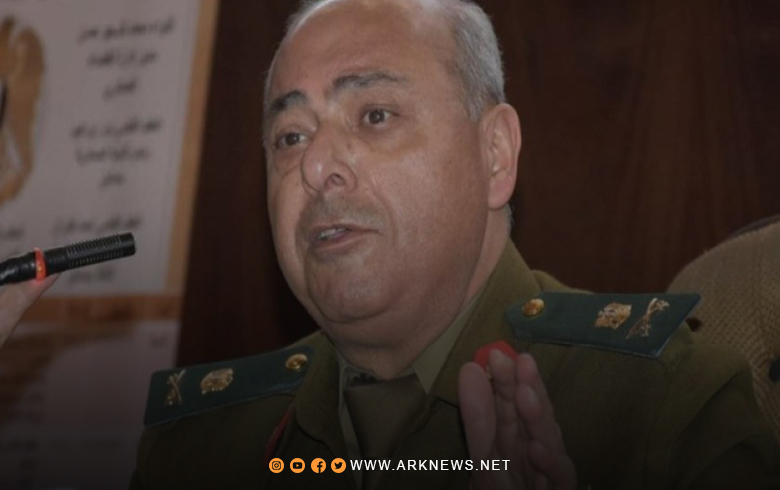
The Arab Belt Project was not an isolated measure or a standalone event. Rather, it was part of a broader pattern of denial, exclusion, and ethnic discrimination practiced against the Kurdish people in Syria. The project was preceded by a series of plans and initiatives aimed at altering the demographic composition of the region, culminating in the proposal prepared by Mohammad Talab Hilal in 1962, which was later adopted by the Ba'ath regime and transformed into official state policy.
On June 24, 1974, under Decree No. 521, the project was implemented on a large scale. Vast areas of agricultural land belonging to Kurdish citizens were confiscated, and settlements were established along the border strip stretching from Derik to Sari Kaniye in an effort to alter the demographic reality of the region and sever the geographical continuity between Kurdish-populated areas.
The passage of more than half a century since the implementation of this unjust policy confirms that all attempts at ethnic assimilation and demographic engineering have failed to achieve their objectives. The Kurdish people's determination to preserve their land, identity, and legitimate national rights has proven stronger than all efforts aimed at erasure and marginalization.
Experience has also demonstrated that policies based on discrimination and exclusion do not create stability. Instead, they deepen crises and widen the scope of injustice within society, making it imperative to address their consequences within a comprehensive and equitable national framework founded on justice, equality, and genuine partnership among all Syrians.
While renewing its full condemnation of the Arab Belt Project and all exceptional and discriminatory policies that targeted the Kurdish people, the Kurdish National Council in Syria stresses the necessity of addressing the consequences of these policies by achieving justice, eliminating all resulting effects, restoring rights to their rightful owners, compensating those affected, and providing redress for the damages they suffered. These measures are an essential part of the transitional justice process and a prerequisite for building a state based on the rule of law and equal citizenship within a democratic decentralized system whose constitution guarantees the rights of the Kurdish people and all Syrian communities.
The fifty-second anniversary of the Arab Belt Project is not merely a remembrance of a painful chapter in Syria's history. It is also an occasion to emphasize the need to overcome the legacy of chauvinistic and authoritarian policies and to consolidate the values of justice, equality, and national partnership, thereby laying the foundations for a secure, stable, and just future for all Syrians.
General Secretariat of the Kurdish National Council in Syria
June 24, 2026
406