Nechirvan Barzani Concludes Participation in Munich Security Conference
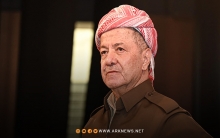
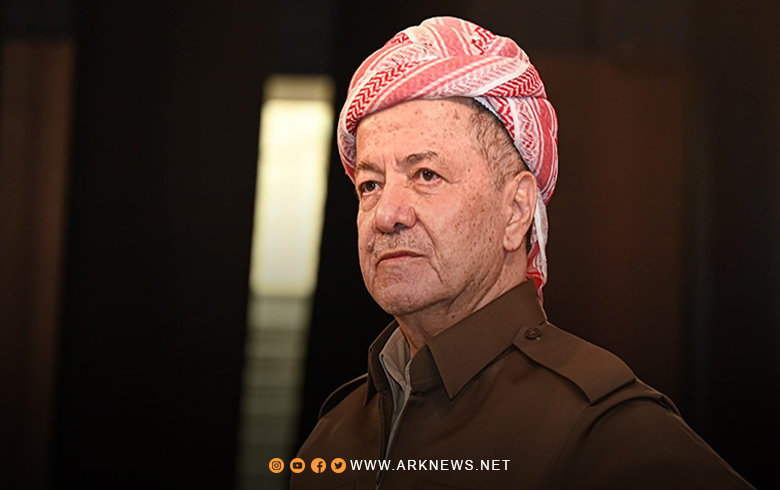
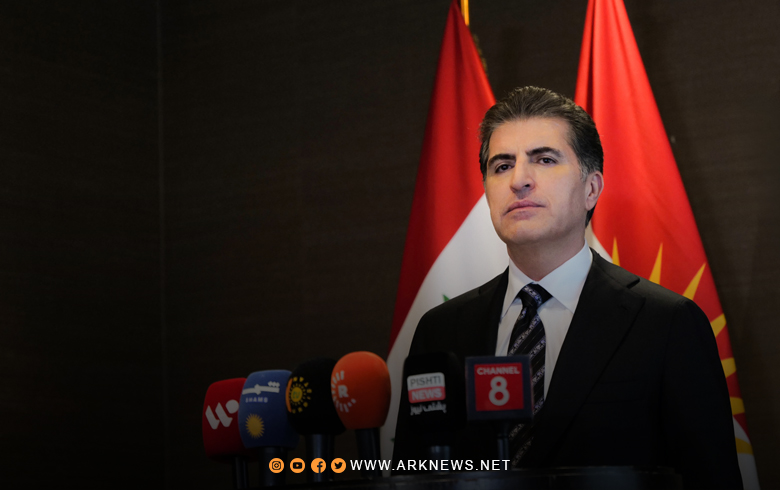
ARK News.. Nechirvan Barzani concluded his participation in the Munich Security Conference on Sunday, February 15, 2026, after three days of intensive meetings with heads of state, prime ministers, foreign ministers, and senior officials from the U.S., Europe, and the broader Middle East.
During his meetings with Emmanuel Macron, Ilham Aliyev, and prime ministers of the Netherlands, Qatar, and Lebanon, as well as other senior leaders, Barzani reaffirmed the Kurdistan Region’s consistent role as a stabilizing force and a guarantor of security in the region. Discussions also covered Iraq’s political situation, developments in the Kurdistan Region, and regional dynamics.
Regarding Syria, one of the main agenda items, Barzani emphasized the importance of safeguarding the rights of Kurds and all other components in a future unified Syrian constitution, ensuring lasting peace and stability.
In a press conference, Barzani stated: "As every year, we participated in the Munich Security Conference and met with many international leaders. This year, the primary focus was on Syria and the formation of Iraq’s new government. We highlighted Kurdistan Region’s role as a stabilizing factor and affirmed our commitment to support efforts in Syria and Iraq. Regarding Kurdistan, it is clear that international stakeholders want a stable and strong Kurdistan within the framework of federal Iraq, and we discussed challenges with Baghdad."
On the ongoing peace process in Syria, Barzani explained: "Our position in the Kurdistan Region is to support the current process—the dialogue between the SDF and the Syrian government. We also want other Kurdish parties, such as the Kurdish National Council, to participate in the ongoing political dialogue with Damascus. We must be realistic, and I believe that the current agreement is good given the circumstances. Kurdistan Region continues communication with both Turkey and Syria. Our policy is to ensure the agreement is implemented fully, restoring security and stability. Most importantly, the rights of Kurds and all other communities must be enshrined in the future Syrian constitution. This will give confidence to all parties. Our message is that all parties should reach an agreement within a unified Syria; this is Kurdistan Region’s policy."
This statement highlights Nechirvan Barzani’s consistent commitment to regional stability, supporting Kurdish participation in Syria’s political process, and ensuring the protection of minority rights within a unified state.
Barzani described the ongoing Turkish peace efforts as serious and constructive, acknowledging the efforts of all parties involved: "We see this as a serious process, and Turkey is committed to resolving the issue. The process may be slow, but the important thing is that all parties remain committed to its success. Kurdistan Region appreciates the efforts of everyone involved, particularly Mr. Devlet Bahçeli and Mr. Abdullah Ocalan, and we hope it reaches a positive outcome. The PKK must follow the demands set by President Ocalan. We support this process and thank all participants, especially President Erdogan, who personally supports the effort to achieve good results."
On the internal political stalemate, Barzani noted progress: "Indeed, the Kurdistan Region has faced political stagnation. However, recent meetings between myself and Mr. Bafel Talabani were positive and successful. Though no final agreements have been reached yet, we are on the right track to achieve outcomes beneficial to both Kurdistan Region and Iraq."
Regarding Rojava, Barzani emphasized opportunities for a political solution while respecting local autonomy: "There is a chance for resolution. The model must be agreed upon by the Kurdish parties and Damascus. By this, I mean the SDF, the Kurdish National Council, and other parties. For example, the decree issued by President Ahmed al-Sharaa for Hasaka governorate is important, as the city includes both Kurds and Arabs. Now the Kurdish side has an opportunity to ensure the governor represents all communities, providing services fairly. This requires structured dialogue. We encourage the SDF and other Kurdish actors to engage seriously in Syria’s political process. The capital is Damascus; efforts must be made to solve issues within a unified Syria."
Barzani also highlighted the importance of implementing the existing agreement in Rojava and the international support behind it: "The intention to resolve problems exists on both sides. Europe and the U.S. have played a positive role, and President Macron contributed significantly to reaching this agreement. While the agreement may not cover all desires, given the circumstances in Rojava, it represents a meaningful achievement. Kurds must support it and work diligently to ensure its implementation."
Barzani addressed the people of Rojava, affirming solidarity and the need for reconstruction and prosperity: "We miss Qamishlo and Afrin, and these visits will be part of our program. Our message to our brothers and sisters in Rojava is one of pride and support after difficult times. The current agreement must be implemented, and reconstruction, welfare, and progress will follow, bringing happiness and success to our people in Rojava."
210