Azad Khalil: Photos and Handshakes at the MERI Forum in Erbil Do Not Translate into Political Gains
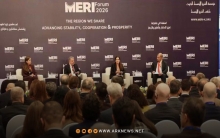
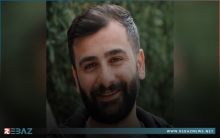
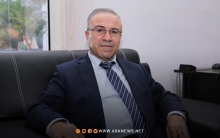
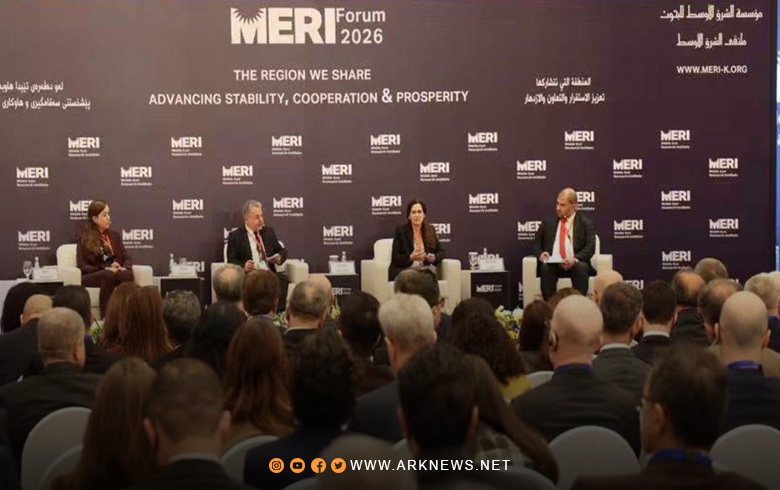
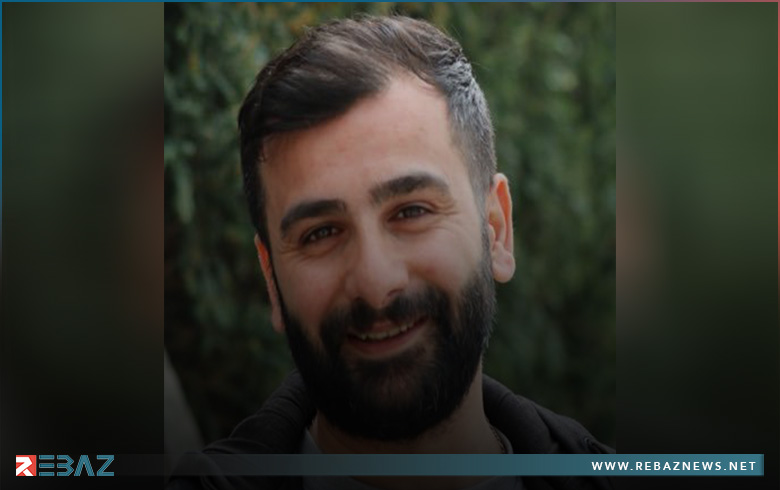
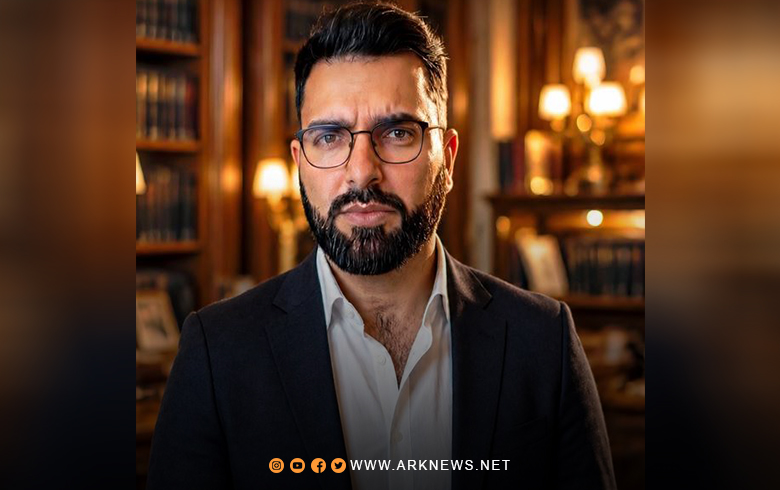
ARK News. Writer and political researcher Azad Khalil said that “photos and handshakes do not create political gains” during the MERI Forum in Erbil.
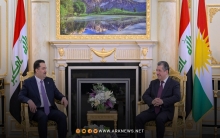
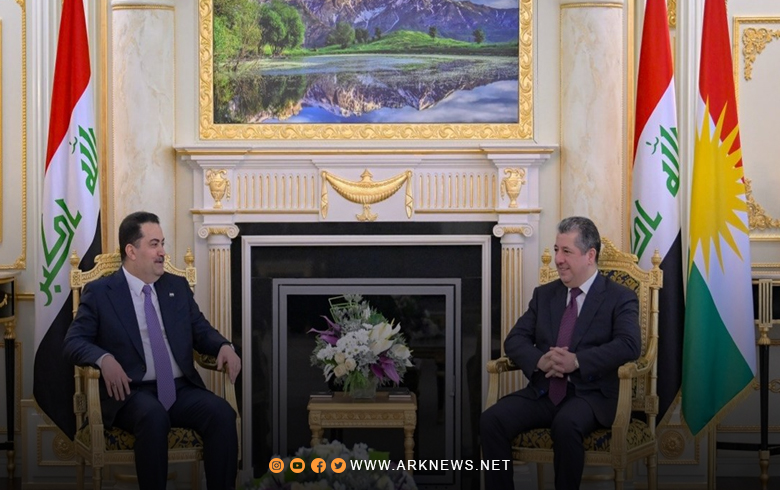
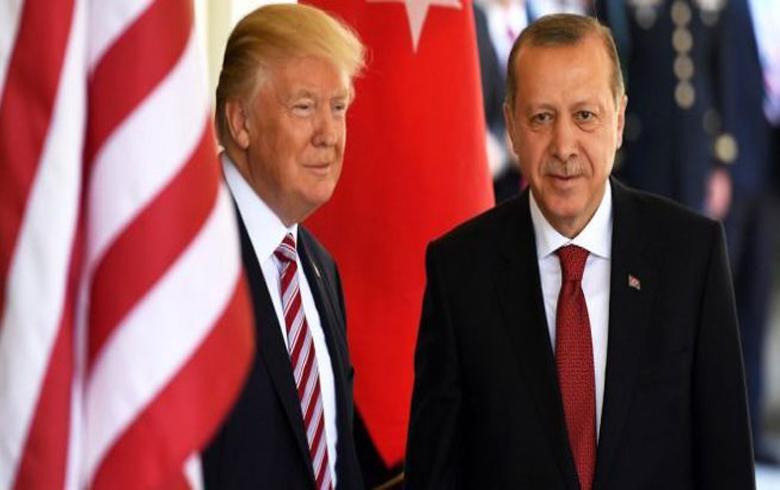
In an article published on his Facebook page titled “On the MERI Forum in Erbil: Photos and Handshakes Do Not Create Political Gains,” Khalil wrote: “We must not mislead people, and we must tell the truth, even if it is more bitter than gall. Celebrating photos of Mazloum Abdi standing alongside Qubad Talabani and Kurdistan Region President Nechirvan Barzani is not a political gain.”
The Kurdish writer asked, "I pose a clear question here: What political gain have the Kurds achieved from this photo? On the contrary, our losses are significant—very significant.”
Khalil explained that last year Abdi attended as the commander of the Syrian Democratic Forces (SDF), which controlled cities, villages, and towns before losing 90 percent of them, and Abdi became an adviser at the palace of Abu Mohammed al-Jolani. He said Abdi now holds an advisory rank and position, comparing him to Ahmed Muwaffaq Zaidan, an Al Jazeera correspondent whom Ahmed al-Zawahiri reportedly refused to shake hands with, according to Zaidan’s own account.
The political researcher noted that the MERI Forum is a political event, but argued that the situation of the Kurds in the Kurdistan Region and Iraq differs greatly from that of Syrian Kurds, whom he described as having suffered a setback. He added that the Kurdistan Region enjoys constitutional recognition and that Kurds there are far ahead of their counterparts in Syria.
“After more than 10 years of administration, we have failed to combat corruption, succeed in governance, or develop even a few Kurdish cities, villages, and towns,” Khalil wrote. He argued that the presence of Ilham Ahmed and Mazloum Abdi would not benefit the Kurds in the Kurdistan Region, adding that portraying them as representatives of the Kurds in Rojava was politically inaccurate.
Khalil also said that the organizers of the MERI Forum were close to Bafel Talabani and that relations between Talabani and Abdi were good. He argued that the invitations themselves therefore raised numerous questions and concerns.
He stressed that independent Kurdish figures, Kurdish parties, intellectuals, and academics should have been represented, particularly because the event addressed the Kurdish issue in Syria.
“The issue is bigger than a photo, bigger than names and bigger than political courtesies,” Khalil wrote. “If we truly want to defend the future of the Kurds in Syria, we must stop manufacturing imaginary victories from photos and meetings and have the courage to acknowledge our losses before talking about gains.”
He concluded, "The truth is not measured by the number of handshakes or the size of the photos, but by what the Kurds can achieve on the ground politically, administratively, and constitutionally. Those who cannot face the truth as it is will not be able to build a better future.”
21