Dr. Abdel Hakim Bachar: The Killings of Sipan Hisso and Hassan Kalash Reveal a Painful Paradox
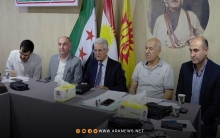
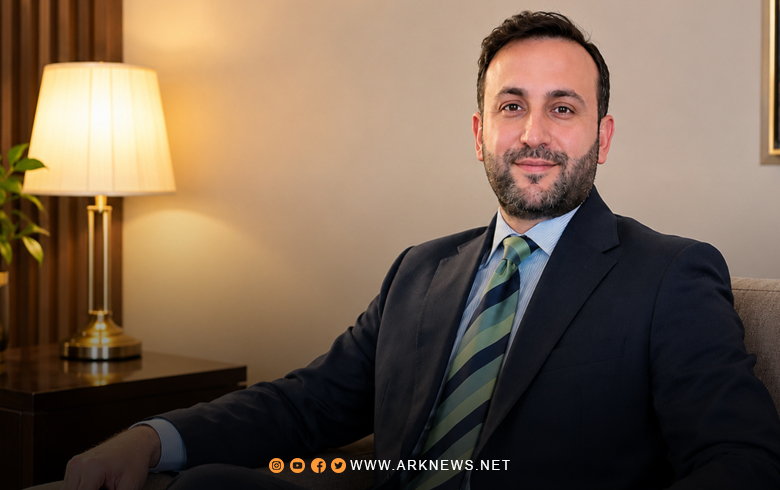
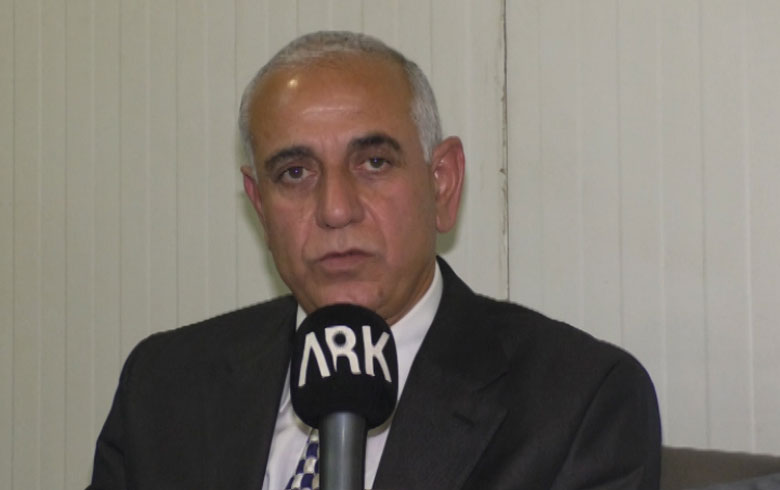
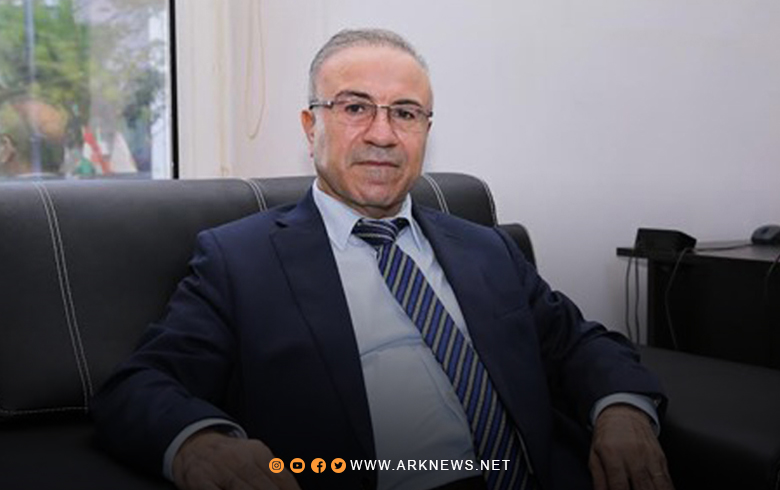
ARK News.. Dr. Abdel Hakim Bachar, a member of the Political Bureau of the Kurdistan Democratic Party–Syria (KDP-Syria), said there had been no comparable mobilization by Kurdish youth to condemn the killing of Hassan Kalash, an educator who helped shape generations, and express their anger and outrage. He noted that reactions had largely been confined to social media posts and muted condemnations that fell short of reflecting the gravity of the crime.
In a post on his Facebook page, Bashar wrote: “Between the killing of Sipan and the killing of the teacher Hassan Kalash lies a paradox that raises painful questions—a striking contradiction that deserves attention and reflection on its implications.”
He added: “When Sipan was killed in that horrific manner, Kurdish youth rose up in protest, and their anger and demonstrations were justified, provided they remained peaceful and avoided violence. Kurdish satellite channels gave the incident extensive coverage, and their reporting contributed to intensifying public reaction and stirring emotions in Kurdish society, to the point where events nearly spiraled out of control and veered toward developments that would not serve stability in the region.”
By contrast, Bachar noted, the teacher Hassan Kalash was killed in a similarly horrific manner, and his body was burned after his death. He described it as a shocking crime against an academic and educator who had contributed to raising generations.
“Yet we have not witnessed a comparable mobilization by Kurdish youth to condemn this crime and express their anger and outrage,” he wrote. “Reactions have largely remained confined to social media posts and subdued condemnations that do not match the enormity of the crime.”
Bachar said the painful paradox raises legitimate questions that cannot be ignored:
Do victims’ lives carry different value depending on their political and party affiliations?
Has solidarity with victims become selective, governed more by partisan calculations than by humanitarian and national principles?
Are double standards shaping responses to tragedies, with some crimes receiving widespread attention while others pass in striking silence?
The KDP-Syria Political Bureau member stressed that all victims’ lives are equal in value and sanctity, and that party affiliation must never determine the level of public outrage, solidarity, or condemnation.
Bachar concluded by asking, "Has party affiliation become stronger than national identity, with political calculations taking precedence over humanitarian and moral values?”
المقال يعبر عن رأي الكاتب
35