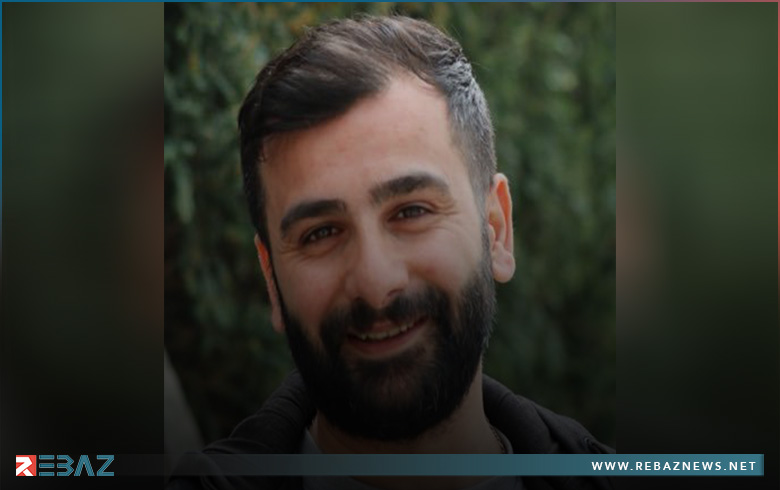
Kinaa Ayoub: SDF and PYD Do Not Represent a Quarter of the Kurds in Rojava
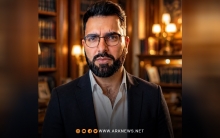
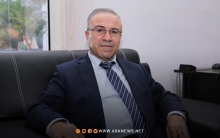
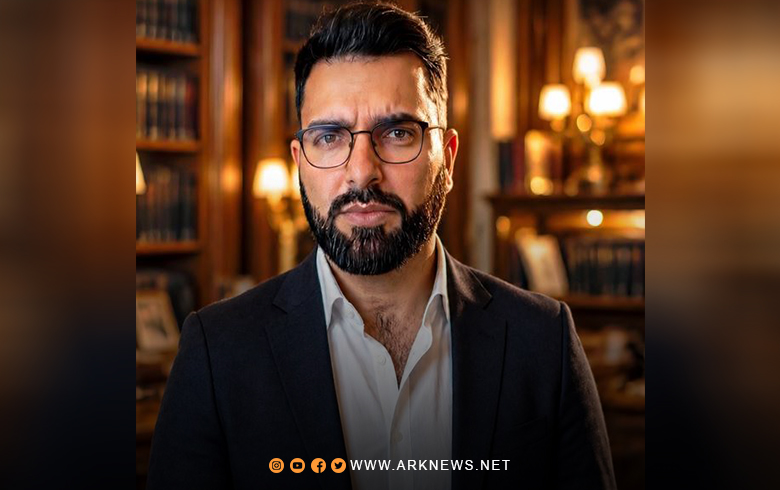
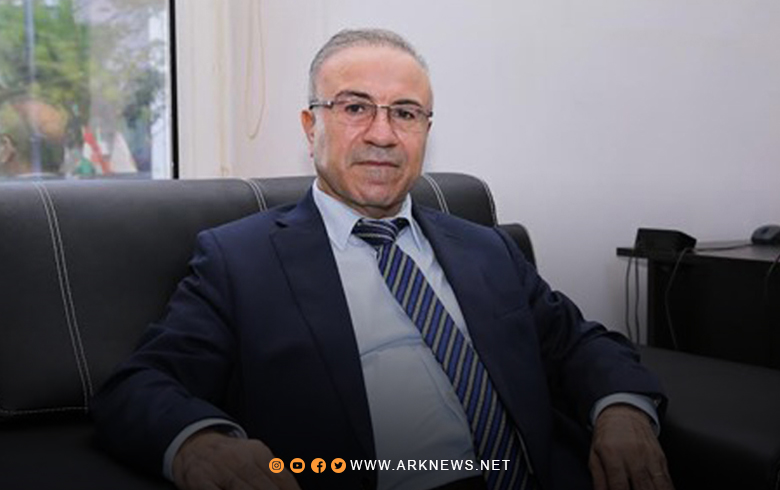
ARK News.. Activist Kinaa Ayoub has expressed concern over what he described as ambiguity and confusion surrounding the Kurdistan Region’s political and media approach to the Kurdish issue in Syria.
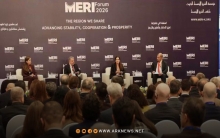
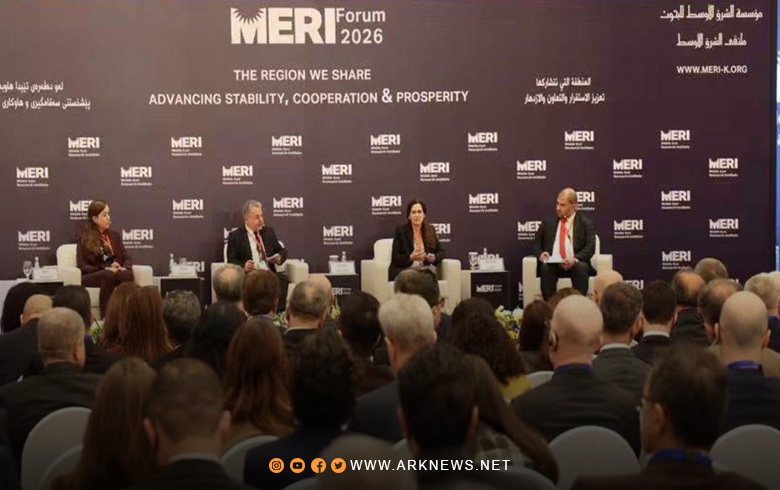
Ayoub said it was surprising that the Kurdistan Region’s forums, media institutions, and political gatherings—particularly the MERI Forum, chaired by Dilawar Alaaddin, and Rudaw TV—had become platforms that repeatedly give Mazloum Abdi, Ilham Ahmed, the Syrian Democratic Forces (SDF), and the Democratic Union Party (PYD) regional and international exposure and visibility among Kurdish public opinion. He argued that this reinforces their image as the sole representatives of the Kurdish cause while marginalizing the Kurdish National Council (KNC), the Kurdish political movement, and Kurdish national figures from the media, academic, and political spheres.
“We reject monopolizing representation and excluding others. If we and the Kurdistan Region are in the same boat, united by our Kurdish identity, the Kurdistan national project, and our Kurdish national goals, why are the doors opened to one side while the voices of the Kurdish political movement, which shares the same vision and objectives, are sidelined? "Ayoub asked.
He explained that repeatedly hosting one side while marginalizing other Kurdish forces raises serious questions about the criteria and priorities governing such invitations, particularly given his assertion that the PYD and SDF do not represent even a quarter of the Kurds in Rojava.
Ayoub stressed that what is needed is genuine pluralism in Kurdish representation, rather than a monopoly over platforms or the exclusion of Kurdish national voices. He called on the Kurdistan Region, its institutions and its forums to open their doors to all Kurdish political forces, including the KNC and others, to ensure balanced representation that reflects the reality of Kurdish political diversity.
Ayoub concluded by describing the Kurdistan Region’s approach as “suspicious, alarming, and raising doubts” among the Kurdish national base in Western Kurdistan.
31