France: Arrest warrants against Bashar and Maher al-Assad
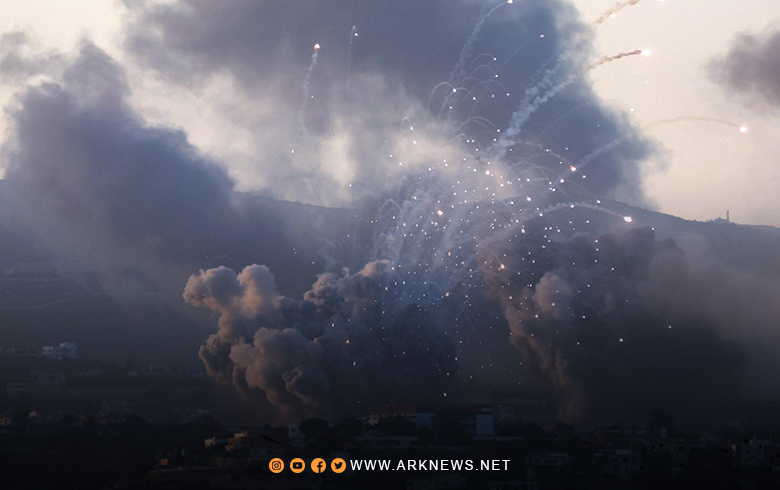
ARK News… French criminal investigation judges issued arrest warrants against the head of the Syrian regime, Bashar al-Assad, his brother Maher al-Assad, and two of his aides, on charges of using banned chemical weapons against civilians in the city of Doma and the Eastern Ghouta region in 2013, which resulted in the deaths of more than 1,000 people.
The investigation into the case was opened, in March 2021, based on a criminal complaint filed by the Syrian Center for Media and Freedom of Expression (SCM) and Syrian victims, based on testimonies from male and female survivors of the August 2013 attacks. The complaint was supported by the Syrian Archive, the Open Society Justice Initiative, and the Defenders Organization. for Civil Rights, which joined the investigation as civil parties, as well as members of the Association of Victims of Chemical Weapons (AVCW).
In addition to Bashar al-Assad, the head of the regime and the Supreme Commander of the Armed Forces, the arrest warrants also included his brother Maher al-Assad, commander of the Fourth Division, Brigadier General Ghassan Abbas, director of Branch 450 at the Center for Scientific Studies and Research, and Brigadier Bassam al-Hassan, advisor to the president for strategic affairs. He is the liaison officer between the Presidential Palace and the Scientific Research Center, according to the Syrian Center.
These arrest warrants indicate the legal qualifications for complicity in crimes against humanity and war crimes.
The judicial action taken by French investigating judges follows a criminal investigation conducted by the Specialized Unit for Crimes against Humanity and War Crimes of the Judicial Court in Paris, into the two chemical weapons attacks in August 2013.
This is “the first time an arrest warrant has been issued for a sitting head of state, for war crimes and crimes against humanity, by another country,” according to Steve Costas, senior managing attorney at the Open Society Justice Initiative.
Costas stressed that "this moment is historic, and France - in this case - has an opportunity to consolidate the principle of the absence of immunity for the most serious international crimes, even at the highest levels."
347