Britain reveals three steps that would improve the conditions of the Syrian people
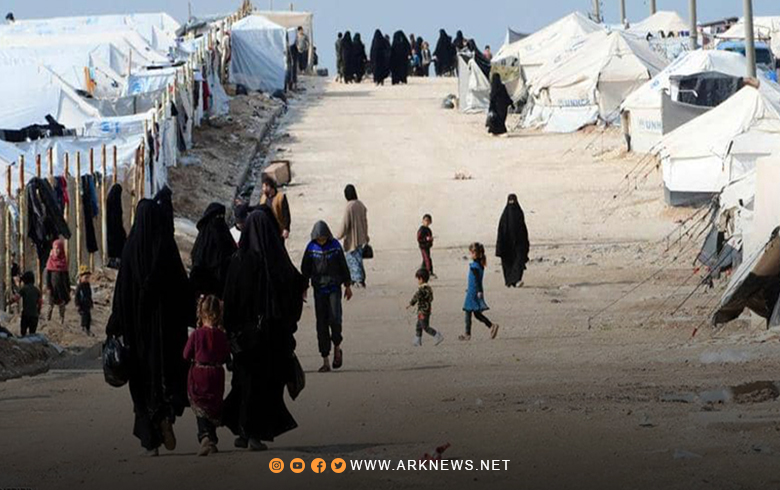
ARK News… The British Ambassador to the United Nations revealed that 17 cents of every dollar of aid sent to United Nations agencies in Damascus goes to the Syrian regime, and confirmed that the conflict in Syria is still alive in light of an established humanitarian crisis.
During a speech at the United Nations headquarters, Barbara Woodward, the British Ambassador to the United Nations, revealed three steps that would improve the situation of the Syrian people, saying:
First: We need to ensure that aid flows in a sustainable, predictable and effective manner throughout Syria.
Second: There is no alternative for cross-border aid to reach people in the northwest of the country.
Third: Short-term last-minute agreements are inappropriate.
Barbara warned against the Syrian regime's manipulation of the exchange rate in humanitarian aid to Syria, and expressed her country's concern that 17 cents of every dollar of aid sent to United Nations agencies in Damascus will be lost for the Syrian regime, which manipulates the exchange rates in its favor.
The British Ambassador to the United Nations stressed that the conflict in Syria is still alive in light of an entrenched humanitarian crisis, and stressed that “we must insist on allowing cross-border access as long as humanitarian needs require through the three crossing points.”
Barbara Woodward called on the Syrian regime to act in good faith, give priority to reducing escalation, and focus on promoting stability and prosperity.
She considered that the background of violence in the region further confirms the need for a viable political process in Syria.
Edem and Surno, Director of Operations and Advocacy at the United Nations Office for the Coordination of Humanitarian Affairs (OCHA), said that the humanitarian emergency in Syria has worsened in recent weeks, and despite the passage of 10 months of the current year, the percentage of funding for the humanitarian response plan for Syria is still less than 30 percent.
312