Dr. Abdel Hakim Bachar: MERI Forum Sided with a Political Faction That Does Not Make the Kurdish Issue Central to Its Policies
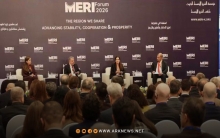
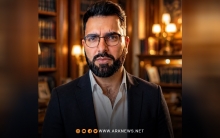
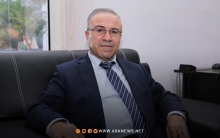
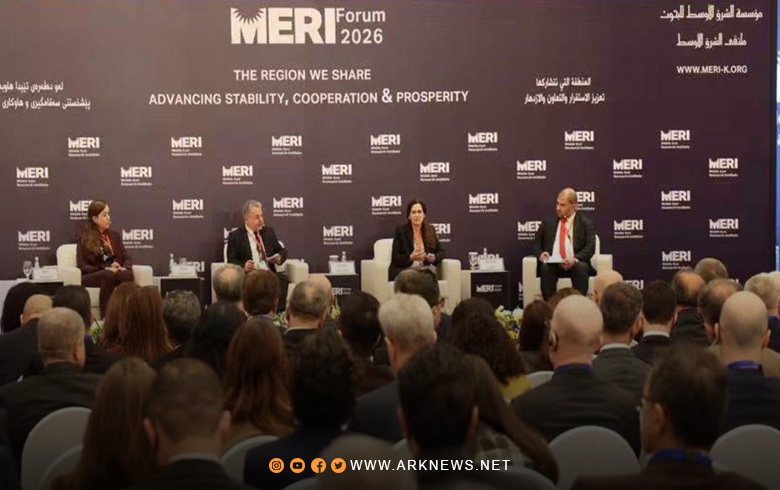
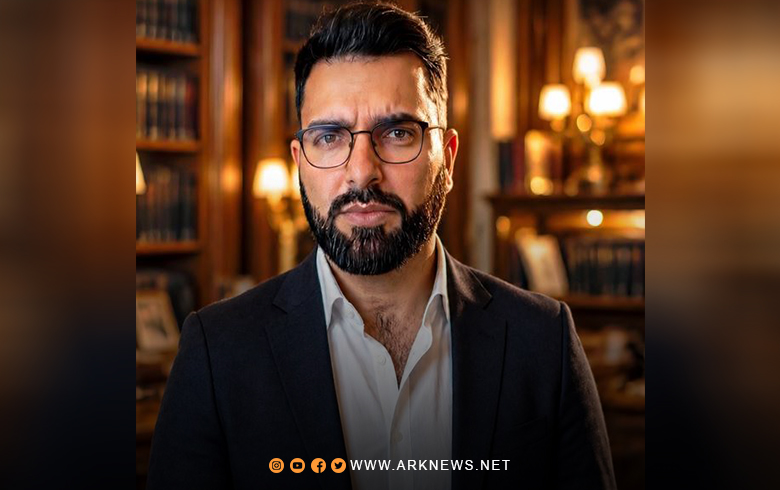
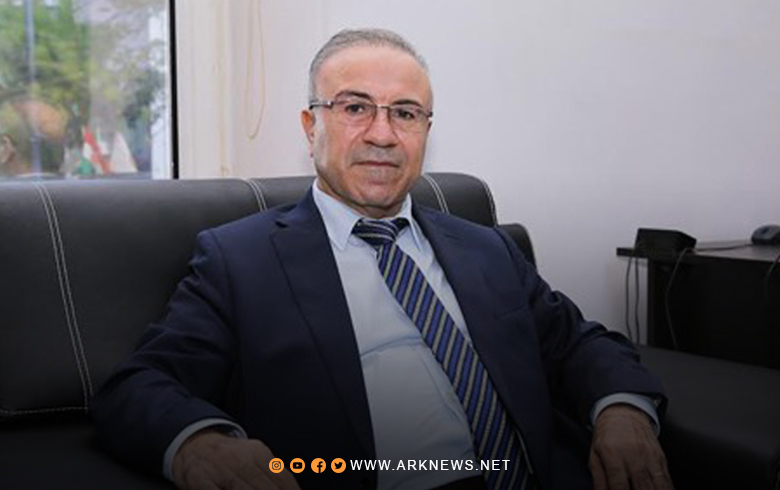
ARK News.. Dr. Abdel Hakim Bachar, a member of the political bureau of the Kurdistan Democratic Party—Syria and a Kurdish member of the Syrian People’s Assembly, has explained why he boycotted the Middle East Research Institute (MERI) Forum, held in Erbil on October 12 and 13.
In a post on Facebook, Bachar said he had received an invitation from the MERI Institute to participate in the event scheduled for October 12 and 13. However, after reviewing the forum’s program, he decided not to attend because, in his view, its approach to the Kurdish issue in Syria was flawed, particularly in terms of representing the different Kurdish political perspectives and orientations.
“Based on the program, there appears to be a bias toward a political faction that advocates the ‘democratic nation’ and ‘brotherhood of peoples’ projects, but does not make the Kurdish issue a central focus of its policies,” Bashar said.
He added that representatives of the Kurdish political movement in Syria, for whom the Kurdish issue is central to their struggle and political engagement, had been excluded. He noted that the movement has its own vision for the future of the Kurdish people and their national and political rights.
Discussing the Kurdish issue in Syria, Bashar said, requires listening to the various Kurdish political forces and orientations and giving them an opportunity to present their views on the general situation in Syria and the region, the circumstances of the Kurdish people, the challenges facing their cause, and possible ways to reach a political solution that guarantees their national and constitutional rights.
Bachar stressed that the Kurdish issue cannot be reduced to a single political project or approached solely through the perspective of one faction, regardless of its standing or influence. He said the issue extends beyond the control of any one political entity and concerns a people whose rights, aspirations, and demands must be considered in any serious discussion about Syria’s future.
“The striking point is that this problem has recurred at previous institute events, raising serious questions about the extent to which MERI, as a research institution, adheres to the principles of neutrality, balance, and pluralism,” he said. He added that these principles should underpin the work of any center engaged in studying and analyzing the region’s issues.
Bashar noted that the importance of research institutions is measured not only by the number of participants they bring together, but also by their ability to represent a diversity of views and allow different parties to express their positions without selectivity or favoring one political perspective over others.
“My decision not to participate does not stem from a rejection of dialogue or a disregard for the importance of international forums,” Bashar said. “Rather, it reflects my conviction that genuine dialogue begins with recognizing pluralism, and that objective research into the Kurdish issue requires listening to the various representatives of the Kurdish political movement, rather than relying on a single party and presenting its perspective as the primary framework for understanding the issue.”
He concluded by saying that MERI’s review of its approach and reconsideration of its participant-selection procedures to ensure the presence of different Kurdish political currents would strengthen its research credibility and contribute to a more comprehensive and objective understanding of the Kurdish issue in Syria.
المقال يعبر عن رأي الكاتب
29