The ‘Rebuild Syria’ Exhibition: Iranian Influence and U.S. Sanctions
ARK News: This year’s show provides a window into Tehran’s strategy for cementing its soft power, and may point to potential sanctions violations by companies from U.S. partner countries.
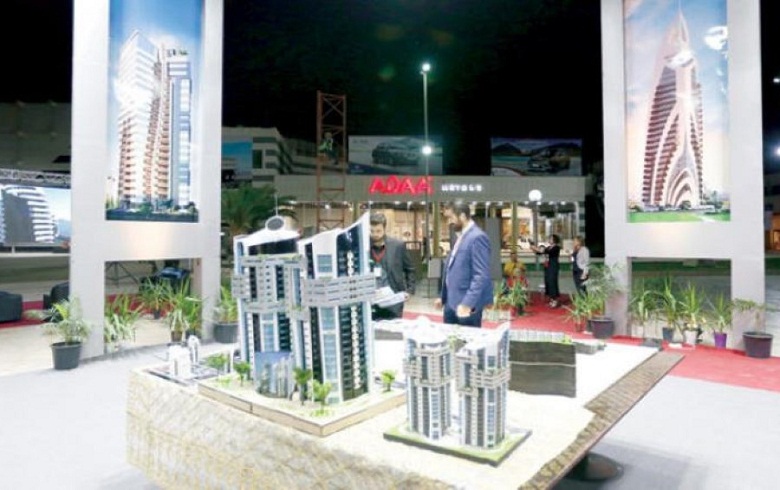
This week, the Assad regime is holding its fifth annual reconstruction exhibition under the title “Rebuild Syria 2019,” and as usual the event has been greatly facilitated and funded by Iran.
The exhibition is scheduled to run through September 21 near the Damascus satellite town of Sayyeda Zainab, home to a Shia shrine that has played a crucial role in helping Iran mobilize its foreign proxy network.
In preparation for this year’s event, around 300 Iranian businessmen representing numerous firms gathered in Tehran on August 4 for the “Conference on Investment Opportunities and Trade in Syria.” The meeting was organized by Al-Bashek, a Syrian trade show company that specializes in construction and has managed the Rebuild Syria exhibition since 2015. Among the notable attendees was IRGC military officer Hassan Danaifar, the former ambassador to Iraq who currently heads the “Headquarters for the Restoration of Holy Shrines.” Syrian deputy minister of economy and trade Rania al-Ahmad was there as well, and reportedly remarked that “attracting Iranian investment is our topmost priority for reconstruction.” In an August 4 interview, Modoudi claimed that Iran had given Syria $11.5 billion worth of commodities in the first three months of the Persian year, which began on March 20.
According to the official website of Rebuild Syria, the exhibition focuses on numerous sectors, including construction technology, security, information technology, agriculture, water, electricity, communications, hospitals, hotels, heating, oil/gas, environmental technology, packaging, education, food/beverage, auto repair, and consumer goods. The event provides an opportunity for one-on-one sessions with international clients looking for suppliers to enter the Syrian market, as well as business-to-business meetings with civil engineers, architects, concrete professionals, and property agents from multiple countries, all aiming to participate in the reconstruction phase that Assad regime outlets have been steadily promoting.
According to Al-Bashek, last year’s gathering attracted more than 270 exhibitors from twenty-nine countries. This year, the reported number increased to 390 exhibitors from thirty-one countries.
Rebuild Syria 2019 will feature firms from the same countries, as well as Germany, Spain, and Egypt. Some of these nations have sought to restore diplomatic relations with Damascus and normalize the Assad regime regardless of U.S. sanctions policy. Last month, for example, Oman and the UAE sent delegates to the sixty-first Damascus International Fair, an annual commercial exhibition that claims to open the Syrian economy to the world.
Numerous Lebanese companies were there as well, along with a pair of Iraqi firms. Given the degree to which Iran and its Shia proxies are integrated into both countries’ economies, it is difficult to tell whether these companies attended because of their individual commercial interests or their relationship with Iran.
As for Russia, regardless of the conventional wisdom about its involvement in Syrian reconstruction, only one Russian company participated in the 2018 show, a sharp contrast to the eleven companies hailing from Iran and forty-one from Lebanon. Although the exhibitor's list is hardly a comprehensive catalog of all the actors jockeying to play a role in Syria’s economic future, the preponderance of firms from Iran and its close allies may still say much about where current trends are headed. Russia is certainly interested in reaping short-term returns from its military intervention, hence its recent phosphate deal with Damascus. Yet Iran is investing in long-term reconstruction projects financed through multi-billion-dollar lines of credit that the Assad regime will need to pay back in twenty-five years, including $20 billion in oil sales, $8 billion for reconstruction, over 12,000 acres worth of agricultural projects, and so forth.
Because events like the Rebuild Syria exhibition are part of this dynamic, the U.S. Treasury Department should pay closer attention to them. In particular, it should monitor the activities of companies that may be violating U.S. sanctions orders. Washington should also push its allies and the wider international community to hold off on full-scale reconstruction in Syria until true political transition has been achieved.
Source: The Washington Institute
957