Kurdish National Council Reaffirms Political Struggle for a Decentralized, Democratic, and Pluralistic Syria
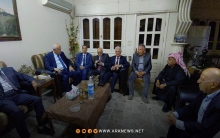
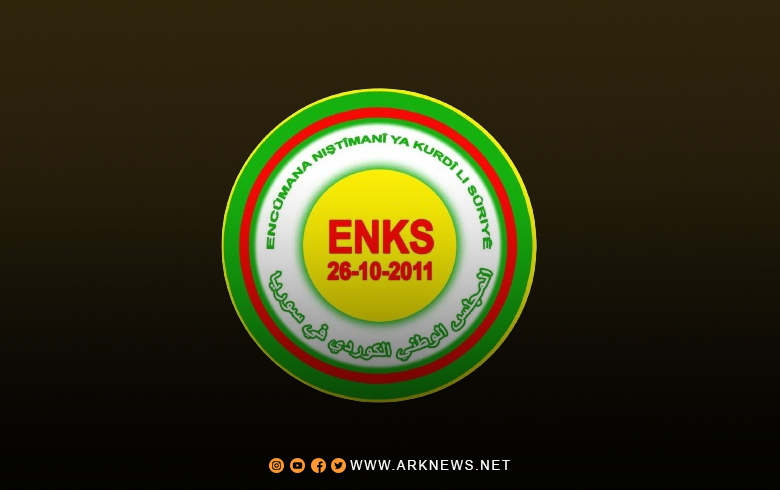
ARK News.. The Kurdish National Council in Syria (KNC) has reaffirmed its commitment to continuing its peaceful political struggle for a decentralized, democratic, and pluralistic Syria that safeguards the rights of all components of society.
In a statement marking the 15th anniversary of its founding, issued on Monday, October 26, the Council said the success of Syria’s transitional phase and the establishment of a stable state require genuine national partnership that ensures the Kurdish people participate as a key partner in shaping the country’s future.
Full Text of the Kurdish National Council’s Statement
Statement by the Kurdish National Council in Syria on the 15th Anniversary of Its Founding
The 15th anniversary of the Kurdish National Council in Syria marks an occasion to reflect on its establishment, announced on October 26, 2011, in response to an urgent national and Kurdish need shaped by decades of marginalization, authoritarianism, and denial of the Kurdish people’s national rights.
The Council was founded in the context of the Syrian revolution, as an extension and continuation of the Kurdish national movement’s struggle since the establishment of the Syrian state, particularly since the founding of the first Kurdish political party in June 1957.
The Kurds have struggled alongside the other components of the Syrian people for freedom, dignity, and state-building. However, successive governments—particularly the authoritarian rule led by the Baath Party—responded to their aspirations with repression and the denial of national rights, intensifying discriminatory policies and racist projects. These included the so-called “Arab Belt” project, the stripping of citizenship, and Arabization policies and security measures that violated property rights, culminating in the bloodshed of civilians during the March 2004 uprising.
With the outbreak of the Syrian revolution in 2011, numerous Kurdish political forces and community, youth, and women’s groups united under the Council’s framework, adopting peaceful democratic struggle and a political solution as the means to end authoritarianism and build a free, democratic, and decentralized Syria that guarantees the rights of all its citizens.
Following the fall of the former regime on December 8, 2024, and the country’s entry into a transitional phase led by President Ahmed al-Sharaa, the Council has approached current developments with a sense of responsibility and openness to political solutions to address outstanding issues, guided by its political program and the outcomes of its meetings.
The Council stresses that the success of the transitional phase and the construction of a stable state require genuine national partnership that ensures the Kurdish people participate as an essential partner in shaping the country’s future and decision-making.
This also requires activating state institutions and restoring their service and development roles, while ensuring fair representation across various institutions through laws that uphold pluralism and equal opportunities. Such measures would strengthen national balance and lay the foundations for political life based on pluralism, accountability, and the rule of law.
In this context, the Council views Presidential Decree No. 13, issued by President Ahmed al-Sharaa, as a positive step that could serve as a basis for addressing the Kurdish issue and the consequences of accumulated discriminatory policies.
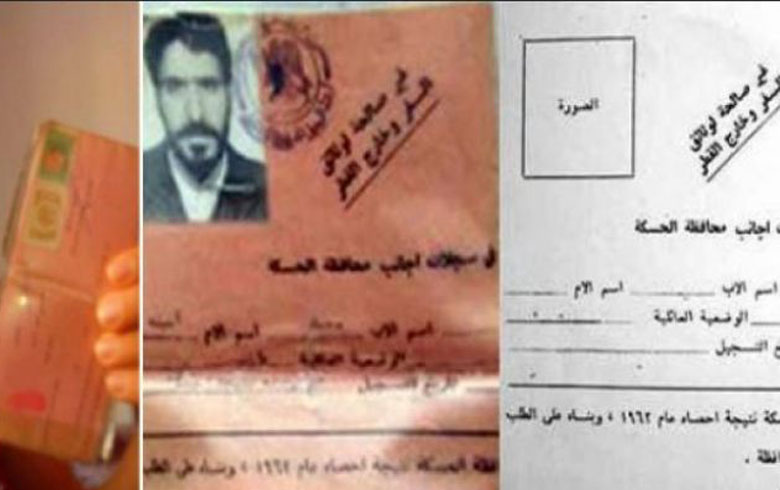
The Council emphasizes that translating positive positions into tangible realities requires repealing exceptional and discriminatory measures and decrees, addressing the effects of the Arab Belt and Arabization policies and the decisions of accreditation committees, and adopting a clear path toward transitional justice and accountability to ensure redress for those affected and provide reparations.
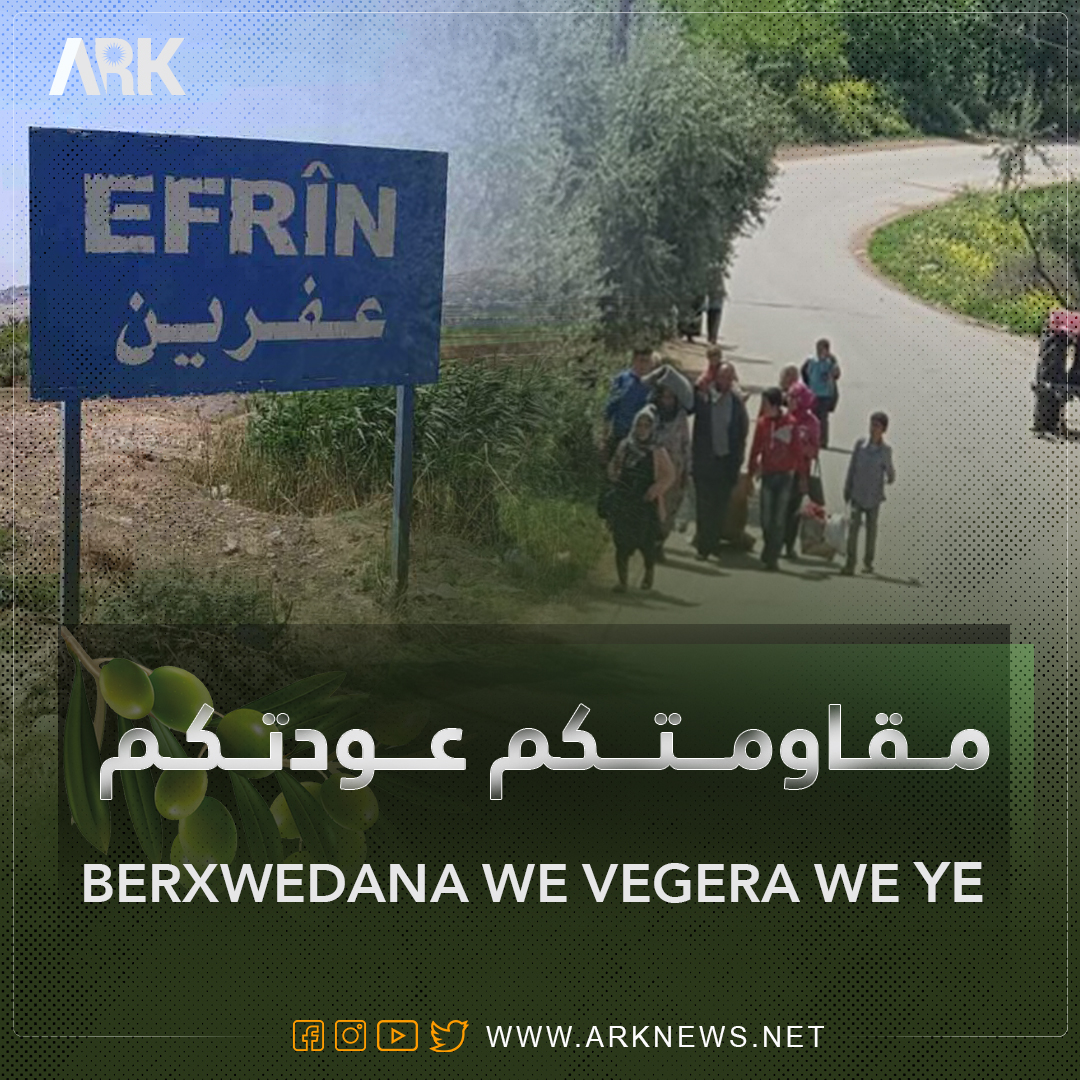
It also stresses the need to create safe conditions for displaced people to return to their areas of origin, particularly Afrin and Sari Kaniye and Gire Spi, while safeguarding their rights and property in accordance with relevant international resolutions, foremost among them United Nations Security Council Resolution 2254.
Recognizing that addressing grievances and consolidating stability require explicit constitutional guarantees, the Council reiterates its commitment to drafting a new constitution that establishes a pluralistic, democratic Syrian republic with a federal system that guarantees participation in governing the country, protects national and cultural diversity, and enshrines equal citizenship, justice, and judicial independence.
The Council also stresses the need for constitutional recognition of the Kurdish people’s national identity and legitimate rights and for Kurdish to be adopted as an official language in Kurdish areas alongside Arabic. It further calls for a review of administrative divisions that considers the national and geographical characteristics of these areas and ensures their fair and effective administration within the framework of the country’s unity.
At the same time, the Council emphasizes the importance of protecting the rights of all components, particularly the Yazidi community, through recognition of its religious and cultural distinctiveness and the establishment of a neutral civil state that treats religions and beliefs equally. Such a state should foster an inclusive national identity that respects pluralism and guarantees freedom and dignity for all citizens.
Alongside these national priorities, the Council recognizes the importance of its fifth congress, scheduled to be held in the coming period. It says the congress should mark a turning point in renewing the Council’s role and adapting to rapid changes, developing its organizational and political structures, modernizing its working mechanisms and internal regulations, and adopting a more effective strategic vision that creates space for young people’s talents and strengthens women’s participation in decision-making.
The Council further emphasizes that safeguarding civil peace requires combating and criminalizing hate speech and incitement, confronting terrorism and violence in all their forms, improving citizens’ living conditions, and consolidating transparency and judicial independence. These measures would strengthen public trust in institutions and pave the way for a state that respects the law, guarantees freedom of political activity, and completely breaks with the legacy of the former regime.
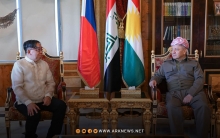
At the Kurdish national and Kurdistan-wide level, the Council renews its commitment to strengthening fraternal and political relations with the Kurdistan Region of Iraq—its presidency, government, and people. It expresses its highest appreciation for President Masoud Barzani’s national role and sustained efforts to support the Kurdish cause and promote unity in Kurdish ranks and positions.
The Council also reaffirms its commitment to the outcomes of the 2025 Conference on Kurdish Unity of Position and Ranks, held in Qamishlo, as well as to previous political agreements and understandings, which it regards as essential foundations for dialogue and the unification of the Kurdish vision.
The Council stresses the importance of continued coordination among Kurdish forces and support for the Kurdish people’s struggle across all parts of Kurdistan and in the diaspora, while respecting the distinct circumstances of each part and working to protect national achievements in ways that strengthen Kurdish resilience and safeguard the people’s legitimate aspirations.
In conclusion, the Council reaffirms that it will continue its peaceful and democratic political struggle for a decentralized, democratic, and pluralistic Syria based on national partnership, equal citizenship, and the rule of law. In such a state, the Kurdish people must be a full partner in building the country and drafting its constitution, while the rights of all national, cultural, and religious components are protected.
Glory to the martyrs of freedom, and dignity to our Kurdish and Syrian people.
General Secretariat of the Kurdish National Council in Syria
Qamishlo, October 26, 2026
2