Faisal Youssef: Demands for Decentralization in Syria Do Not Mean Division
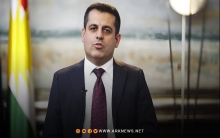
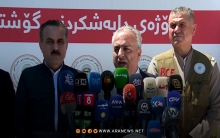
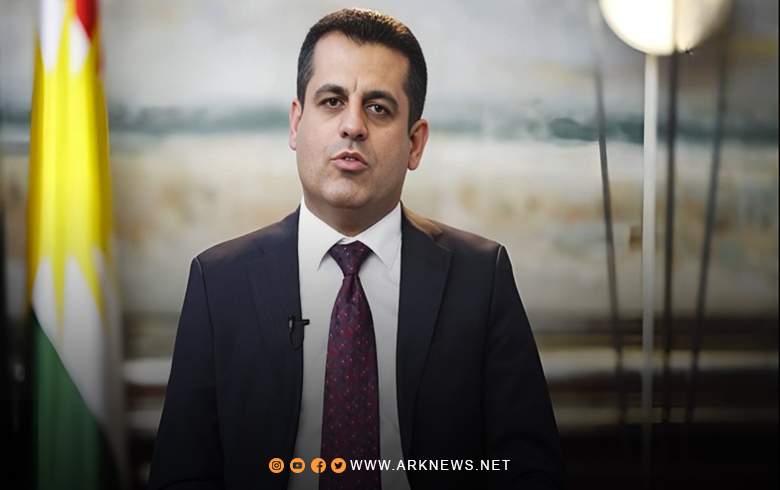
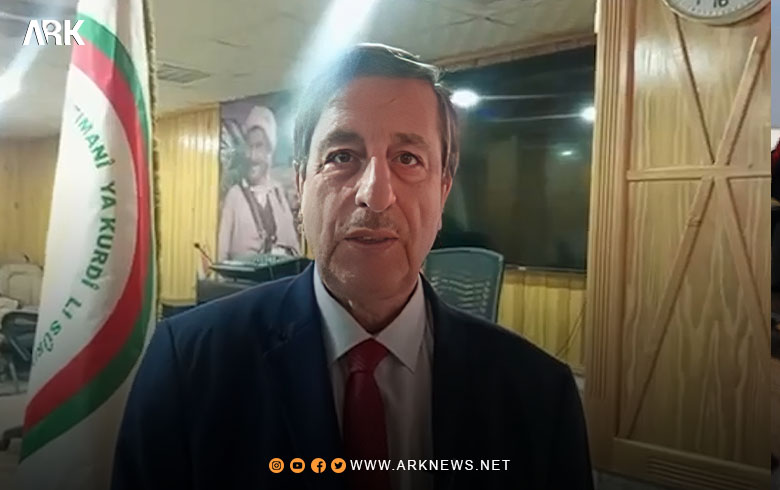
ARK News.. Faisal Youssef, spokesperson for the Kurdish National Council in Syria (KNC), affirmed that calls by Syrians for decentralization and forms of democratic local governance in no way imply the division of the country. Instead, he said, such demands reflect a genuine will to build a democratic state founded on inclusive national partnership.
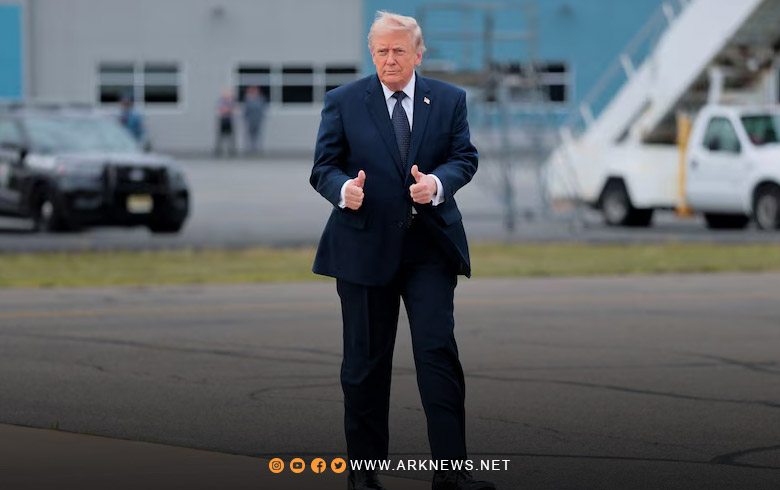
Speaking to ARK News, Youssef described the recent decision by U.S. President Donald Trump to lift economic sanctions on Syria as "a positive step that serves the interests of the entire Syrian population after long years of suffering."
Youssef noted that experience has shown the sanctions—despite their stated aim of targeting the former regime—have only exacerbated the suffering of ordinary Syrians and deepened the country’s economic crisis. He urged the new Syrian government to seize this opportunity to lay the foundations for good governance, transparency, and accountability, in order to address the daily hardships faced by citizens and resolve pressing economic, social, and political challenges.
“The path forward must not be limited to security and economic dimensions,” Youssef emphasized, “but should serve as an entry point for a comprehensive political process in line with the spirit and substance of UN Security Council Resolution 2254. Only then can Syrians rebuild their state on the basis of national partnership and secure the legitimate rights of all components of Syrian society, first and foremost the Kurdish people.”
Youssef stressed that the Kurdish National Council sees recent shifts in the U.S. position as an opportunity to foster a more flexible political climate that could enable serious dialogue among Syrian stakeholders—including Kurdish dialogue with the transitional government in Damascus.
He added: “No genuine political solution can be achieved without addressing the Kurdish issue in a just manner—through constitutional recognition of the Kurdish people’s rights within a decentralized Syria and ensuring their active participation in shaping the country’s future on the basis of equality and citizenship.”
Regarding efforts to form a joint Kurdish delegation to initiate dialogue with Damascus, Youssef confirmed: “In line with the unified Kurdish vision for Syria and the rights of the Kurdish people, the Kurdish National Council is working to form a joint delegation. We hope this will be finalized soon to support the success of upcoming talks with the transitional government.”
Commenting on President Ahmad al-Sharaa’s recent speech and his emphasis on Syria’s territorial integrity, Youssef reiterated that the Kurdish National Council remains committed to a united Syria. “We have never advocated for secession—past or present. However, we stress that unity cannot be sustained unless built on justice, equality, and open recognition of the rights of all components of the nation—chief among them the Kurdish people.”
Youssef concluded: “Calls for decentralization and democratic local governance do not equate to dividing the country. These are legitimate demands now being raised from across Syria and reflect a real desire to build a democratic state rooted in national partnership.”
He warned that dismissing these demands—or portraying them as a threat to national unity—only deepens societal rifts. The Kurdish National Council, he said, therefore calls for an inclusive national dialogue to pave the way for a democratic, pluralistic, and decentralized state that upholds the dignity and equal rights of all Syrians.
276