The Washington Post: The areas controlled by the Syrian regime are in a state of "paralysis of life" and cities are plunged into darkness
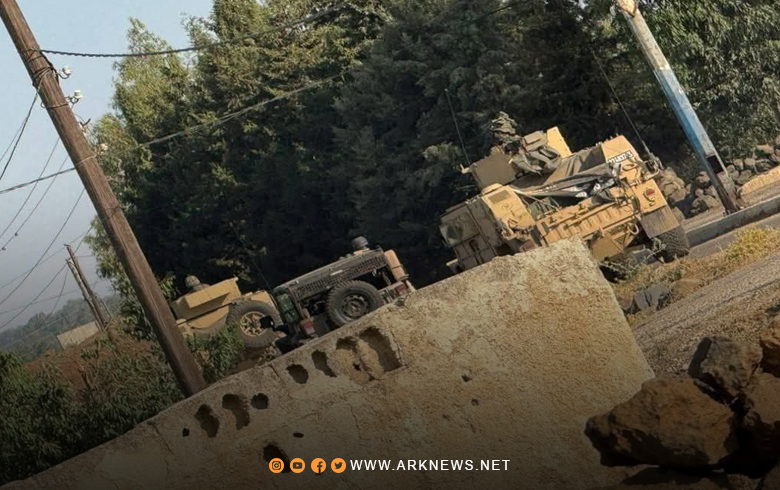
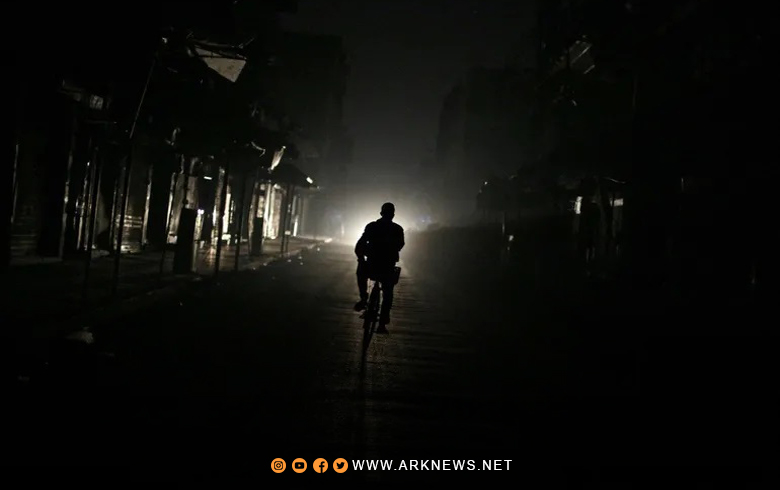
ARK News… The Washington Post, in a report, shed light on the economic and living conditions in the areas controlled by the regime in Syria, talking about the "paralysis" of life, and the plunge of cities into complete darkness amid the fuel shortage crisis.
The newspaper said that the Syrians are already suffering from years of war and deprivation, in addition to that now a suffocating fuel crisis, and pointed out that the extended power outages have plunged most parts of the country into a semi-permanent power outage.
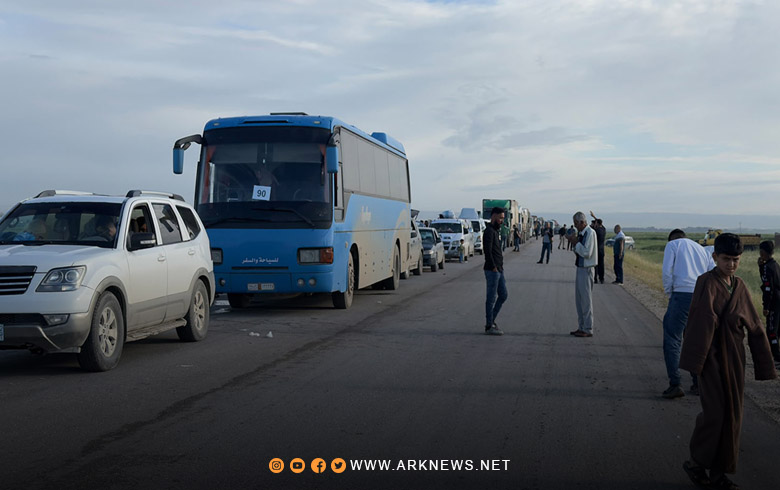
The newspaper indicated that some neighborhoods in Damascus get 15 minutes of electricity every 24 hours, while the lights remain on for a longer period near the presidential palace, and pointed out that the main roads are often free of traffic due to lack of fuel, while the Syrian-Lebanese border has become a black market thriving for fuel.
The report indicated that a number of Syrians depend on generators, but they also need fuel, while other families who cannot afford the costs of generators have turned to large batteries connected to solar panels, "but many are not as lucky as these two groups."
The economist, Hassan Hazori, previously stated in his interview with a newspaper close to the Assad regime that the government of the regime bears the bulk of the bad reality of the Syrian economy because it adopted economic policies, both financial and monetary, that proved their failure and contributed significantly to the decline of material production in favor of service and rent production.
Regime-affiliated media quoted the Prime Minister of the Assad regime, Hussein Arnous, as saying that it was the most important economic and service indicator that was achieved in 2022, considering that the last year included the government's solution to many problems, and stated that it was the most difficult on the economic and service levels.
"Arnous" claimed that "the impact of the international repercussions and transformations on the Syrian economy was more severe than its impact on the rest of the countries," and he justified this by what he said, "because of the peculiarity of the situation that the country has been living through as a result of the war against terrorism and its supporters for nearly 12 years," he said.
351