European official: The remittances of Syrians in Europe to their families inside Syria represent a lifeline for millions of families
ARK News… Dan Stoinescu, Head of the European Union Delegation to Syria, considered that the remittances of Syrian refugees in Europe to their families inside Syria represent a lifeline for millions of families, in light of the economic and living crisis their country is going through.
The European official said that the voices of the Syrians in Europe must be heard everywhere so that they can transfer sustainable development and democracy to Syria, pointing out that the number of Syrians in Belgium has now reached about 40,000, while the number of Syrians in the European Union has reached more than one million.
After his meeting with a number of representatives of civil society and Syrian refugees in Belgium, he added, "They came with the skills, experience, and resources that made them successful and respected here," at a time when the number of beneficiaries of external remittances in Syria is estimated at five million, with monthly amounts estimated at between 125 and $150 million a month, according to the "Jusour" Center for Studies.
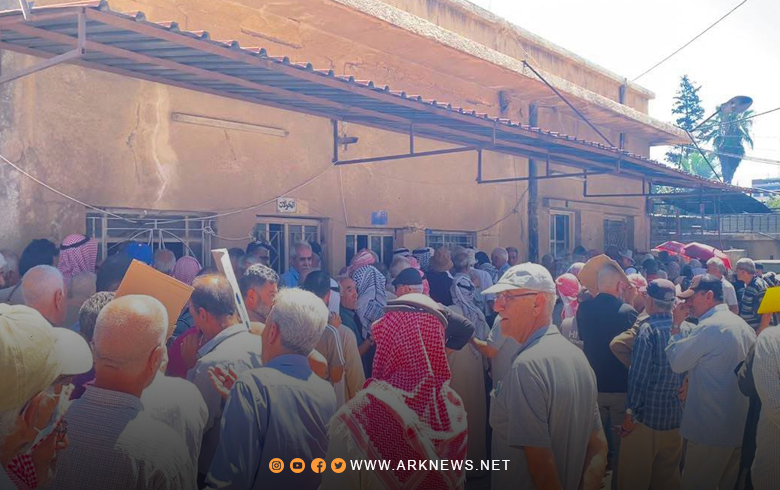
The center pointed out that a large part of the Syrians depend on the assistance of their relatives and acquaintances abroad, as small monthly or semi-monthly amounts ranging between 125 and 150 dollars are transferred on average.
The prominent Baathist leader, Mahdi Dakhlallah, a member of the central leadership of the so-called “Baath Party,” previously said, “We all have people outside the country, and had it not been for sending money from Syrians abroad, we would have been wasted,” pointing to the importance of incoming money transfers. Of the Syrian expatriates and displaced to their families in the areas controlled by the regime.
In addition, it imposes, through the Central Bank of the Syrian regime, financial measures that are in line with its practices of restricting financial resources, and violators of those decisions have previously been promised to prosecute on charges of financing terrorism, as he put it.
It should be noted that the Assad regime and its intelligence services control fully licensed exchange companies in areas under its control, which makes it difficult for expatriates to send financial aid through those companies that require security information about the sender and recipient, which puts the latter's life at risk of arrest and torture.
648