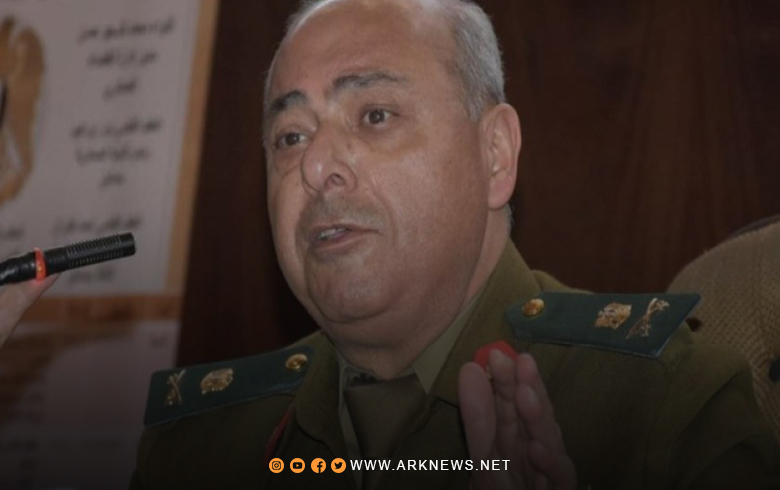
Sheikho to ARK News: The displaced people of Afrin have become convinced that the promises of the PYD are blank false, so they decided to return
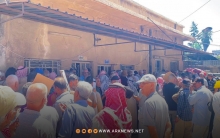
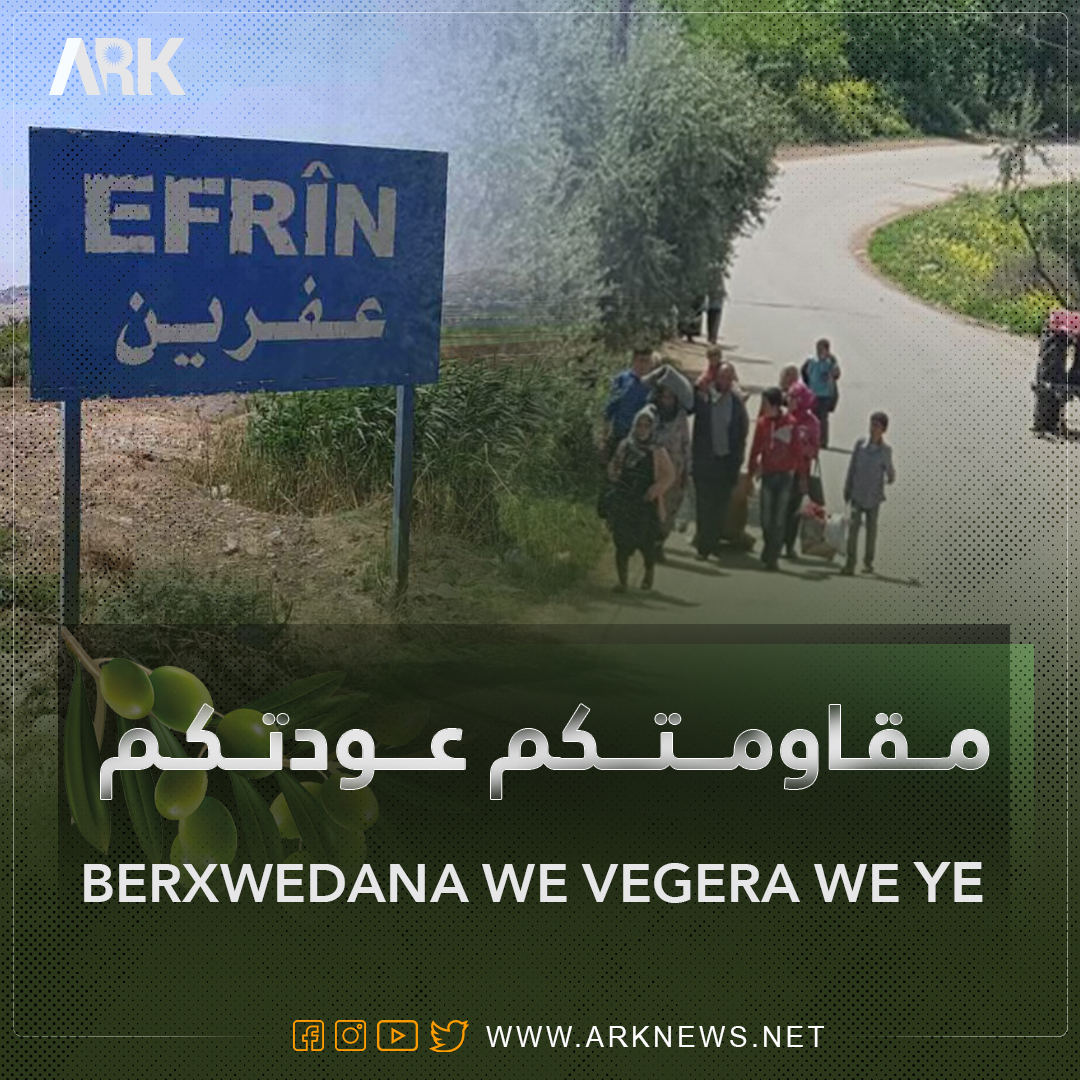
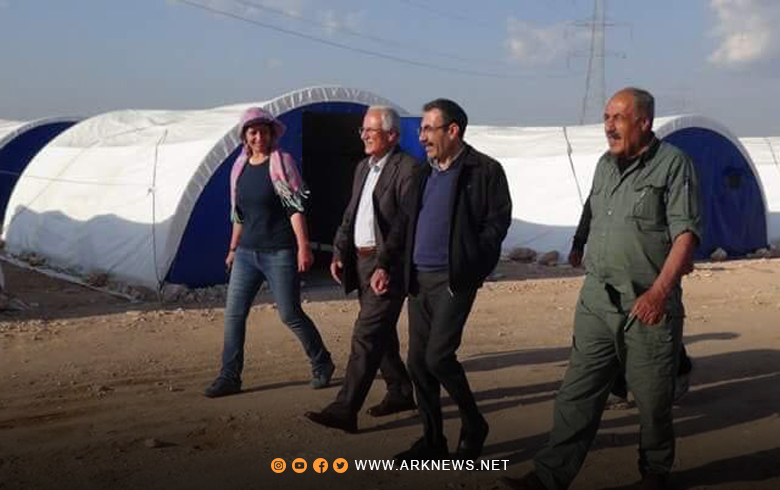
ARK News… The return of the displaced Kurds continues to the city of Afrin in Syrian Kurdistan. Recently, tens of Kurdish families have returned from Shahba and Aleppo camps to their city, neighborhoods, and villages in the region.
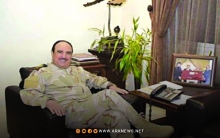
Activist Mustafa Sheikho said that more than 100 families have recently returned to the area.
The activist confirmed during his participation in the ARK bulletin on Wednesday, August 4, 2021, that: Since the blessed Eid al-Adha, more than 100 Kurdish families have returned to Afrin, returning from Shahba camps, Aleppo, Lebanon, and other cities.
Sheikho continued: About fifty Kurdish families have returned in the last few days, in addition to fifty families before Eid al-Adha, and they are residents of the city and the towns of Jenderes, Rajo, Sherawa, and Shiye.
Sheikho appealed to the displaced in Shahba to the necessity of breaking the barrier of fear and returning to Afrin, stressing that their return prevents demographic change.
Mustafa Sheikho said: The displaced people in Shahba have become convinced that the PYD’s promises to liberate Afrin are blank and false and deceptive, so they decided to return, and despite the difficulties they face, sticking to the land of the fathers and grandfathers is a strong incentive to make the decision and take the way back.
After Turkey and the armed factions took control of the Afrin region on March 18, 2018, more than 300,000 Kurdish civilians were displaced from Afrin towards other areas, and the bulk of them sought refuge in five camps in the northern countryside of Aleppo, which became known as Shahba, and since that time the Democratic Union Party (PYD) has been working to control the camps, to prevent the return of Kurdish families, on the pretext that its forces will liberate the city from Turkey.
Politicians appeal to the displaced Kurds in Shahba to return to their city in Afrin and recover their property from the settlers of Arab families who inhabited the area, in order to prevent demographic change and the obliteration of the Kurdish identity of the region.
760