U.S. State Department: Kurdistan Region Offers a More Open Investment Environment
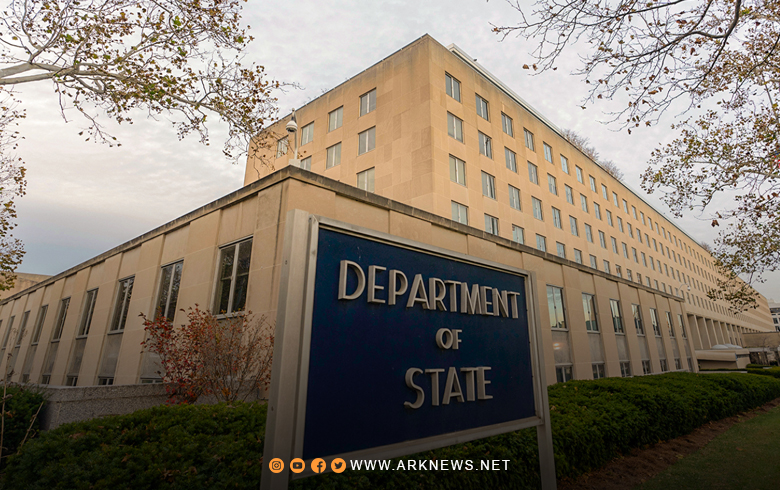
ARK News.. The U.S. Department of State’s Bureau of Economic and Energy Affairs has said that corruption, bureaucratic red tape, weaknesses in the financial system, and security challenges remain among the main obstacles facing foreign investors in Iraq. At the same time, its 2026 Investment Climate Statement for Iraq highlighted promising opportunities in the energy, agriculture, industry, and technology sectors.
According to the report, Iraq’s new government, headed by Ali al-Zaidi, has made diversifying sources of income and strengthening trade partnerships with American and Western companies’ key priorities. However, achieving tangible results will depend on implementing comprehensive administrative, legal, and financial reforms.
The report also noted that frequent changes to laws and regulations, complicated company registration and customs procedures, high taxes, and weak mechanisms for resolving commercial disputes constitute major barriers for foreign companies.
It further highlighted a lack of transparency, electricity shortages, difficulties accessing financing, and widespread corruption in the awarding of licenses and government contracts, all of which directly contribute to higher costs and project delays.
The U.S. State Department noted that despite Iraq’s vast oil and gas reserves, the country remains unable to meet its domestic electricity needs. This creates opportunities for foreign companies in power plant development and gas supplies. The report described the natural gas sector, particularly in the Kurdistan Region, as an important investment opportunity.
However, Washington said that capitalizing on these opportunities requires a clear legal framework, resolution of disputes between Baghdad and Erbil, and guarantees that payments owed to oil companies will be made regularly.
Regarding bilateral trade, the report stated that Iraq imported $107 billion worth of U.S. goods in 2025, including agricultural products, machinery, equipment, and defense-related products, as well as aircraft.
On investment incentives, the report noted that Iraq’s Investment Law provides tax exemptions for up to 10 years. The standard corporate tax rate is 15%, rising to 35% in the oil sector. Nevertheless, complex administrative procedures continue to hinder the smooth transfer of profits abroad.
Regarding foreign ownership, the report identified differences between federal Iraq and the Kurdistan Region. Under federal Iraqi law, foreign investors are generally permitted to own stakes of up to 49% in local companies, while the Kurdistan Region allows 100% foreign ownership in most projects. This makes the Region a more open investment environment, although challenges remain over customs duties with Baghdad and the requirement that 75% of a workforce be locally employed.
The U.S. State Department also warned about Iraq’s continued heavy reliance on cash transactions. It said Iraq’s re-inclusion on the Financial Action Task Force (FATF) list in June 2026 reflects shortcomings in anti-money laundering measures, undermining the confidence of international banking institutions. The report added that the activities of armed groups and attacks targeting foreign interests during periods of regional tension continue to pose security threats.
The report concluded that Iraq has the necessary resources and potential to attract foreign investment. Turning that potential into tangible results, however, requires translating promises into concrete action through decisive anti-corruption measures, strengthening judicial independence, reforming the banking system, and strictly adhering to international agreements.
64