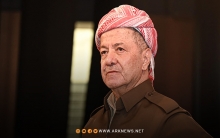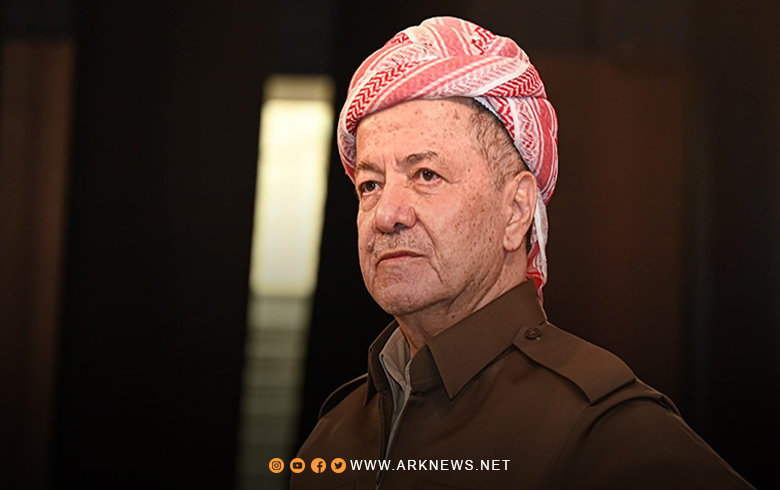
Masrour Barzani: The Kurdistan Region Leaves Davos with Stronger Partnerships
ARK News.. Over five days of intensive engagements at the 2026 World Economic Forum in Davos, Kurdistan Regional Government Prime Minister Masrour Barzani succeeded in consolidating the Kurdistan Region’s position as a strategic player and a safe destination for international investment.
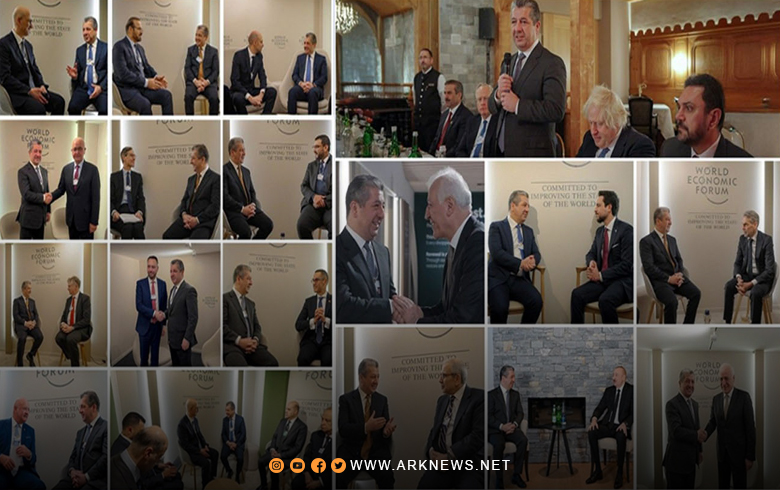
Through a series of high-level meetings and the reopening of the “Kurdistan House,” Barzani conveyed messages of peace, economic reform, and readiness to welcome foreign capital to global decision-making circles.
On Monday, January 19, 2026, the 56th edition of the World Economic Forum officially opened in Davos, Switzerland, with the participation of world leaders, heads of government, and senior international officials. As a strategic step to showcase the Region’s potential, Masrour Barzani reopened the Kurdistan House as a platform for dialogue and cooperation.
In his remarks at the opening, Barzani stated that the Kurdistan House serves as a hub for building strategic relationships and hosting the Region’s guests, describing the forum as “a golden opportunity for the Kurds to contribute to strengthening political and economic relations and to open new doors for global investors.”
He also expressed optimism over the expanding size of the Kurdistan delegation, noting that growing interest in the Region may require a larger venue next year.
Tuesday, January 20, saw an intensified schedule of meetings. Barzani met with Azerbaijani President Ilham Aliyev to discuss enhancing trade and investment ties. During the meeting, Aliyev extended an official invitation to Barzani to visit Baku and affirmed his country’s readiness to open a consulate in Erbil.
Barzani also met with Belgian Deputy Prime Minister and Foreign Minister Maxime Prévot, who reaffirmed Belgium’s support for the Kurdistan Region and emphasized strengthening bilateral relations, particularly in trade and investment.
As part of his regional and international engagements, the Prime Minister received the Secretary-General of the Gulf Cooperation Council, Jassim Mohammed Al-Budaiwi, with discussions focusing on the formation of Iraq’s new federal government. This was followed by a meeting with Armenian President Vahagn Khachaturyan, who praised the Kurdistan Region’s role in protecting the rights of the Armenian community.
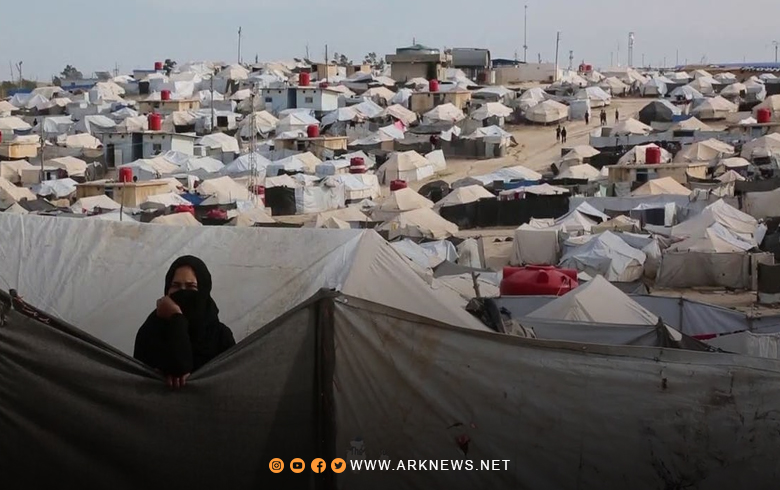
On security and energy issues, Barzani met Austrian Federal Chancellor Christian Stocker to discuss counter-ISIS efforts, and held talks with the UN High Commissioner for Refugees on the situation of displaced persons and the repercussions of the war in Syria. He concluded Tuesday’s meetings with a discussion with Egypt’s Minister of Investment, Hassan al-Khatib, on smart electricity meter contracts signed with Egyptian companies.
On Wednesday, January 21, Barzani’s discussions with a high-level delegation from the Kingdom of Bahrain and with UK National Security Adviser Jonathan Powell focused on military developments in Syria and Western Kurdistan.
The Prime Minister stressed the need to end tensions and to respect the rights of the Kurdish people and all components in Syria. In a related context, the Austrian Chancellor praised the Kurdistan Regional Government’s role as a reliable partner on security matters and migration management.
Meetings continued on Thursday, January 22, when Barzani received French Foreign Minister Jean-Noel Barrot, who conveyed greetings from President Emmanuel Macron and reaffirmed France’s commitment to regional stability. Barzani also met with Kuwait’s Minister of Commerce Khalifa Abdullah Al-Ajeel and Jordan’s Crown Prince Hussein bin Abdullah, with discussions emphasizing economic cooperation and support for de-escalation in Syria.
Concluding his participation on Friday, January 23, 2026, Masrour Barzani posted a message on the X platform stating that “the Kurdistan Region is leaving Davos with stronger partnerships.”
He underlined that his government’s strategy is based on “choosing dialogue over war, securing rights instead of marginalization, and strengthening investment to build a resilient economic infrastructure.”
264