Ahmad al-Sharaa: Currency Replacement Does Not Improve the Economy, but Facilitates Transactions
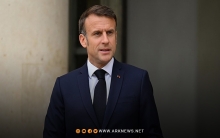
ARK News.. Syrian President Ahmad al-Sharaa stated that the process of replacing the national currency represents a symbolic marker of the end of a previous phase “that is not regretted,” and the beginning of a new chapter aspired to by the Syrian people and by regional actors observing Syria’s evolving reality.
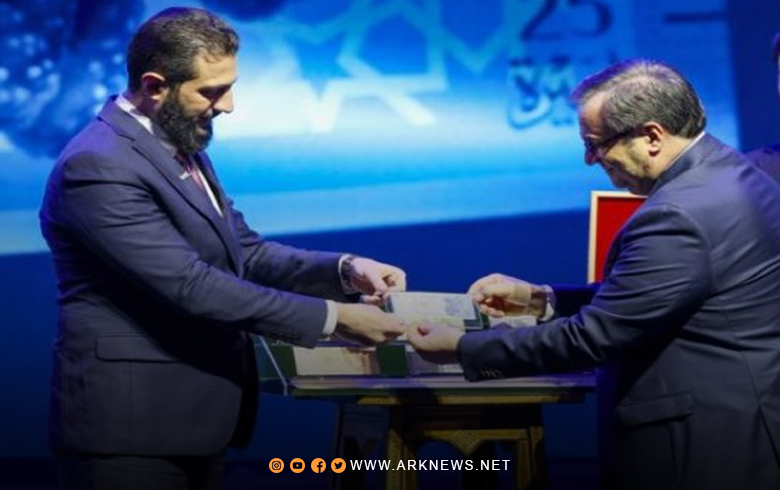
Speaking during the official ceremony marking the launch of the new Syrian pound on Monday evening at the Conference Palace in Damascus, attended by Syrian cabinet ministers and Arab and foreign diplomats, President al-Sharaa said that the currency replacement file had undergone lengthy discussions.
He noted that there are six international experiences in currency replacement and the removal of zeros, half of which succeeded while the other half did not, stressing that the process is highly sensitive and requires careful management during monetary transition.
President al-Sharaa emphasized that one of the key concepts that must be clarified is that removing zeros from the currency does not mean economic improvement, but rather aims to facilitate financial transactions.
He explained that genuine economic improvement depends on increasing production rates and reducing unemployment, adding that strengthening the banking sector is a fundamental pillar of economic growth, as banks function like arteries within the economy.
The Syrian president described the transition phase as delicate and critical, stressing the importance of avoiding public panic and refraining from rushing to discard the old currency in favor of the new one. He reassured citizens that all holders of the old currency will be able to exchange it for the new notes, warning that unnecessary haste could negatively affect the exchange rate of the Syrian pound.
Al-Sharaa further stated that the country requires calm and gradual implementation of the currency replacement process, noting that the Central Bank has established a clear and defined timetable for the transition.
He also pointed out that public confidence in the Syrian pound is inseparable from confidence in the national economy, which has suffered severe damage in recent years. He highlighted the collapse of several economic sectors, particularly the banking sector, and noted that the sharp rise in exchange rates had eroded trust in the currency, prompting citizens to hoard cash at home instead of depositing it in banks.
249