Syria Advances Road Network Modernization to Strengthen Domestic and Regional Connectivity
ARK News.. Syria is moving forward with plans to rehabilitate several major highway corridors as part of a broader effort to modernize its road transport network, strengthen domestic and regional connectivity, boost trade and transit, improve the flow of goods between governorates, and reduce overland shipping costs.
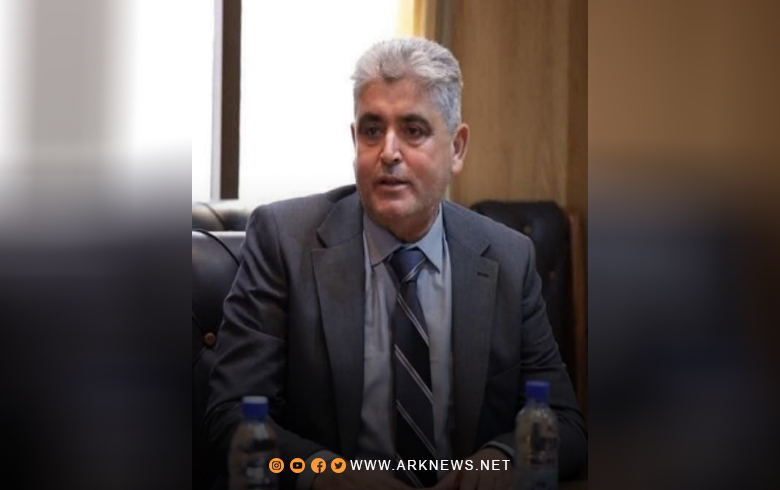
According to Shafaq News, the Director General of the General Establishment for Road Transport, Muath Najjar, said the countries and regions expected to benefit most from the rehabilitation projects include Jordan, Turkey, Iraq, and the Gulf states. He noted that the Nassib–Aleppo Highway forms part of the international M45 corridor, linking the Jordanian and Turkish borders.
Najjar said the projects will also improve internal connectivity across Syria, particularly benefiting the governorates of Daraa, Damascus, Homs, Hama, Idlib, and Aleppo, as well as Palmyra, Raqqa, Deir Ez-Zour, and areas in northeastern Syria through the Damascus–Deir Ez-Zour route.
He added that upgrading these corridors will facilitate the movement of international freight trucks between the Gulf and Europe via Syrian territory, while enhancing trade and transport, improving the flow of agricultural and industrial goods, reducing logistical obstacles, and lowering land transport costs. The projects are also expected to increase transit traffic with neighboring countries, strengthening both regional and domestic trade and improving competitiveness.
Regarding the implementation timeline, Najjar said the Nassib–Damascus highway is expected to take around 400 days to complete. The Damascus–Homs and Homs–Aleppo highways, including the Saraqeb–Idlib link, are each expected to require approximately 500 days, while the rehabilitation and expansion of the Damascus–Palmyra and Palmyra–Deir Ez-Zour roads is projected to take about 900 days.
Najjar stressed that the projects will directly improve road safety and quality of life by reducing travel times between governorates through comprehensive maintenance and rehabilitation works. He added that they are also intended to strengthen Syria's links with neighboring countries and encourage international transit, reinforcing the country's position within regional and international transport networks.
He concluded by saying that the General Establishment for Road Transport is updating the economic feasibility studies for the North–South and East–West highway projects in preparation for implementing them as toll roads under the Build-Operate-Transfer (BOT) model, aiming to enhance commercial transport infrastructure and improve freight efficiency across Syria.
Last Friday, under U.S. sponsorship, Iraq and Syria signed a memorandum of understanding to rehabilitate and restart the Kirkuk–Baniyas oil pipeline, which has been out of service since sustaining damage during the 2003 U.S.-led invasion of Iraq.
The agreement was signed in Washington, D.C., between Basra Oil Company and the Syrian Oil Company, in the presence of U.S. Energy Secretary Chris Wright and Iraqi Prime Minister Ali al-Zaidi. Under the agreement, Chevron, leading an international consortium, will oversee the technical and financial aspects of the rehabilitation project.
204