The editor-in-chief of Al Sharq Al-Awsat criticizes the international silence over targeting the Kurd and Kifah Mahmoud's response
ARK News.. The well-known writer and journalist, editor-in-chief of Al-Sharq Al-Awsat newspaper, Ghassan Charbel, criticized the international silence for the continuous targeting of Kurds in the region.
Charbel wrote yesterday in a "Tweet" via "Twitter" "From the rules of living in the terrible Middle East, your planes and artillery have the right to violate the sovereignty of states provided that their goal is to kill the Kurds."
Among the rules of living in the terrible Middle East: Your planes and artillery have the right to violate the sovereignty of states, provided that their goal is to kill the Kurds.
Charbel's tweet found wide response in the Arab and Kurdish political and cultural circles, and won hundreds of likes, retweets, and comments.
Kurdish writer and journalist Kifah Mahmoud said in response to Charbel's tweet: “It was strange, and it is now very natural for people to disagree on everything except to antagonize the Kurdish issue and their aspirations.”
He continued, "Yesterday, on the eve of the start of the referendum in Kurdistan (September 25, 2017), the three capitals (Baghdad, Tehran, and Ankara) announced an emergency meeting of the staff of their armies, and I do not know why Syria was excluded in its time!"
Among the rules of living in the terrible Middle East: Your planes and artillery have the right to violate the sovereignty of states, provided that their goal is to kill the Kurds.
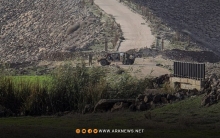
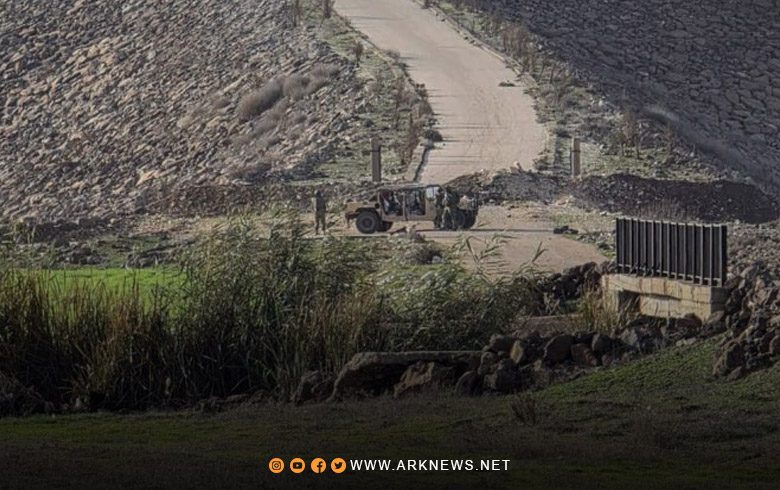
Charbel's tweet came in conjunction with a Turkish ground and air attack, accompanied by Iranian artillery shelling, on other border areas in the Kurdistan Region that are administratively affiliated to the Nineveh Governorate, targeting the sites of the Kurdistan Workers Party, resulting in the death of 5 Kurdish civilians so far and the wounding of others, in addition to significant material damage هn the border villages.
The Turkish-Iranian attack was met with strong protest by Baghdad and Arab countries, including Saudi Arabia, Egypt, the Emirates and Bahrain, and the condemnation of the Arab League.
704