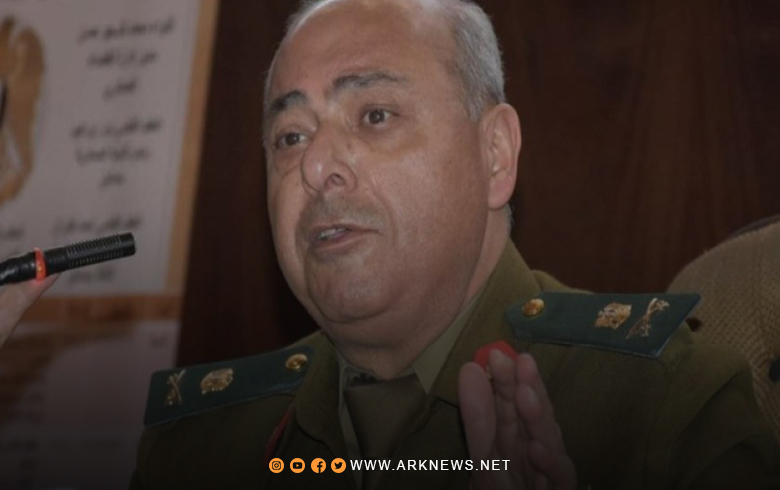
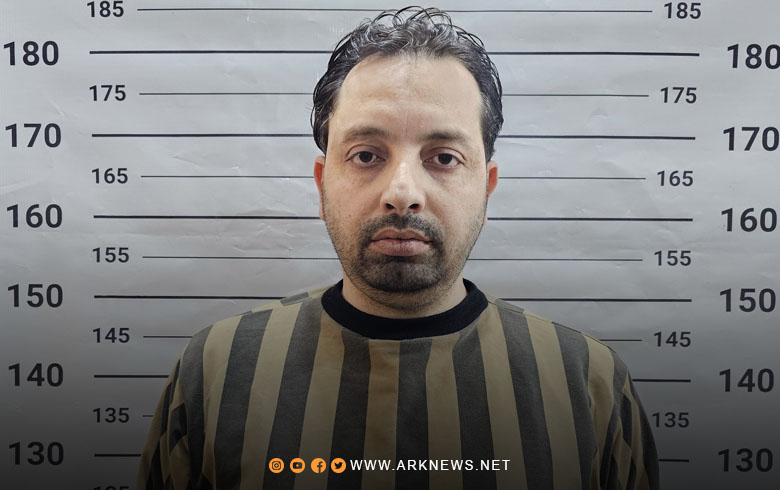
Nashat Zaza Outlines Kurdish Demands in a New Syria
ARK News.. A prominent Kurdish political figure has reiterated that Syria’s Kurds are not seeking division or secession, but rather aspire to genuine partnership within a free, democratic homeland that upholds pluralism and equality.
Nashat Zaza, head of the Local Councils Committee of the Kurdish National Council (KNC) in Syria, stated that claims suggesting Kurdish demands are aimed at separation are inaccurate and contradict the longstanding positions of the Kurdish political movement in Syria. “Since its inception, the Kurdish movement has embraced a realistic political approach, despite the legitimacy of the Kurdish people’s dream for self-determination,” he said. “Nevertheless, accusations of separatism continue to resurface, disregarding the political maturity and clarity of Kurdish aspirations.”
Zaza emphasized that Kurdish demands in Syria focus on the recognition of Kurds as an indigenous people, the establishment of a decentralized, democratic, and pluralistic governance system, and the unification of Kurdish-majority areas under a single administrative framework. These demands, he noted, are consistent with international human rights principles and the right to self-determination, and also call for fair representation in both power and national resources.
He also stressed that these demands do not conflict with Islamic law, which, from its earliest days, recognized diversity, mutual respect, and local distinctiveness within the broader framework of the Islamic state.
“We are convinced that the forces opposing decentralization deliberately equate any call for administrative ethnic rights with separatist intentions,” Zaza continued. “However, the reality is that the vast majority of Syria’s Kurds are committed to the country’s unity—within a just, decentralized system.”
Concluding his remarks, the head of the KNC’s local councils reaffirmed: “Kurds in Syria are not seeking division or separation. They are striving for genuine partnership in a democratic homeland that respects pluralism and equality. It is crucial to replace the language of treason with dialogue and to understand Kurdish demands within their true political context—not through suspicion and mistrust.”
337