35th Anniversary of the Million-Person Exodus of the People of the Kurdistan Region
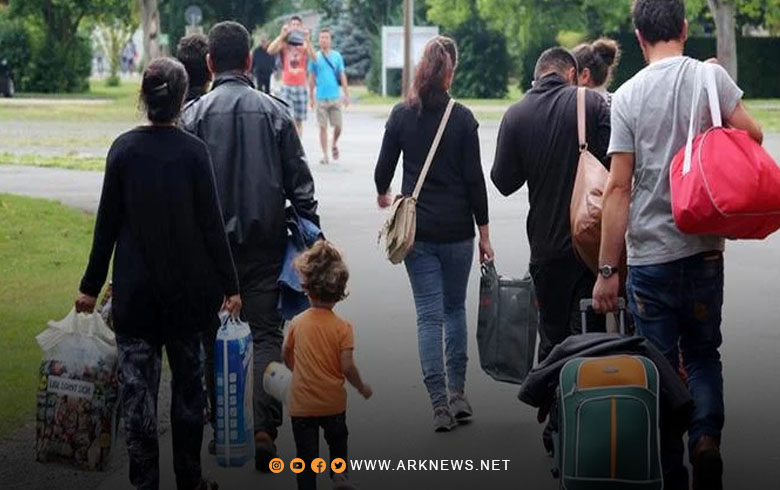
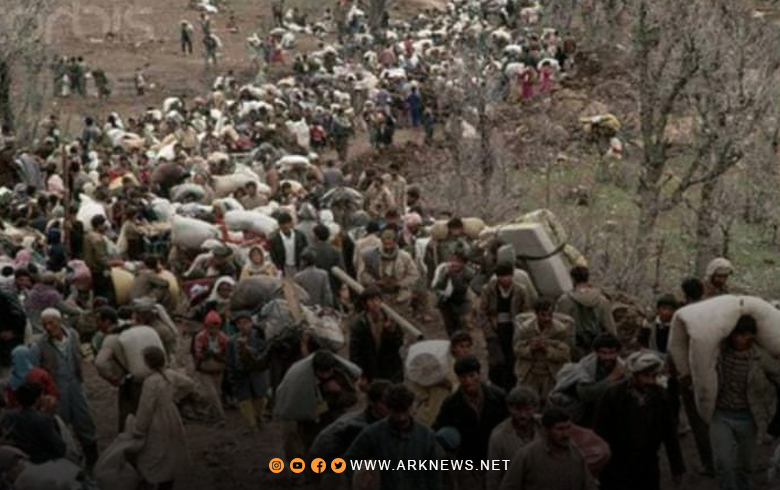
ARK News.. Today marks the 35th anniversary of the million-person exodus of the people of the Kurdistan Region, a pivotal station in modern Kurdish history that embodied the resilience of a people who refused to return to the shackles of oppression and chose displacement toward the mountains and borders in one of the largest waves of human migration in the 20th century.
Following the historic success of the spring 1991 uprising, which resulted in the liberation of most cities and areas of the Kurdistan Region from the grip of the former Ba’ath regime, the latter mobilized massive military forces to regain control over the liberated areas. On March 31, 1991—ten days after the liberation of the city of Kirkuk—the regime launched a large-scale offensive, placing hundreds of thousands of citizens before two choices: either remain and endure repression and subjugation once again, or leave their homes.
The Kurds chose the difficult option; massive human waves headed toward the Iranian and Turkish borders, on foot or using primitive means of transport, in a scene that shook the global conscience and later became known as the “Million Exodus.”
The exodus was not merely an escape from war; it turned into enormous international pressure. France played a key role in mobilizing support within the United Nations Security Council, while Danielle Mitterrand, the wife of the then French president, emerged as a strong voice advocating for the Kurdish cause.
These efforts resulted in the issuance of United Nations Security Council Resolution 688 on April 5, 1991, which condemned the repression practiced against civilians. Diplomatic efforts, supported by James Baker, advisor to President George H. W. Bush, also led to the establishment of the 36th parallel as a no-fly zone and safe haven, which directly contributed to halting acts of genocide against the Kurdish people.
Thanks to the safe haven decision and the intervention of coalition forces—known as Operation Provide Comfort and stationed at "Incirlik" Air Base—confidence gradually returned to the displaced populations. With calls from the Kurdistan Front and subsequent negotiations, the million-strong return to cities and villages began.
The no-fly zone was not merely a military protection measure; it became the cornerstone that allowed the Kurds to organize their internal affairs away from the regime’s threats. This paved the way for the first parliamentary elections on May 19, 1992, and the formation of the Kurdistan Regional Government on July 4 of the same year.
The 35th anniversary of the million-person exodus remains a symbol of Kurdish sacrifice. While the regime’s policies aimed to break the will of the people, this ordeal turned into international recognition of Kurdish rights and laid the legal and political foundations for what the Kurdistan Region represents today as a constitutional and legal entity.
149