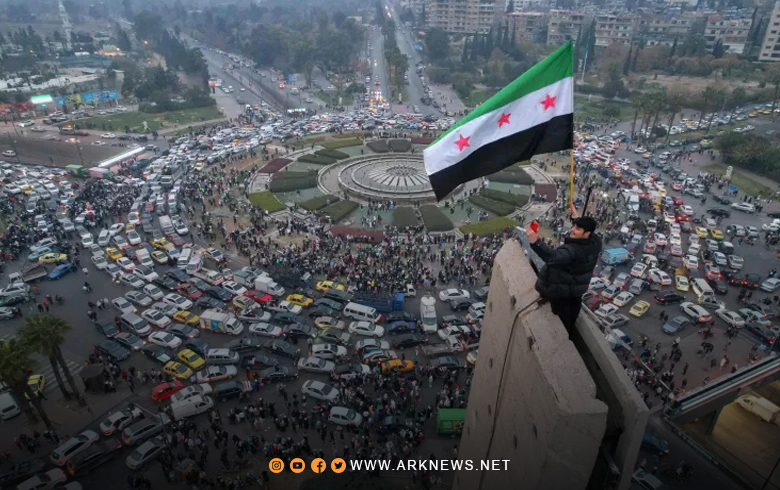
Syria ranks 141st in the 2026 Press Freedom Index
ARK News.. Reporters Without Borders released its annual Press Freedom Index report on Thursday, April 30, 2026, noting that Syria has risen to 141st place globally, up from 177th in previous years—a move that reflects a relative improvement following the political transformations the country has witnessed since late 2024.
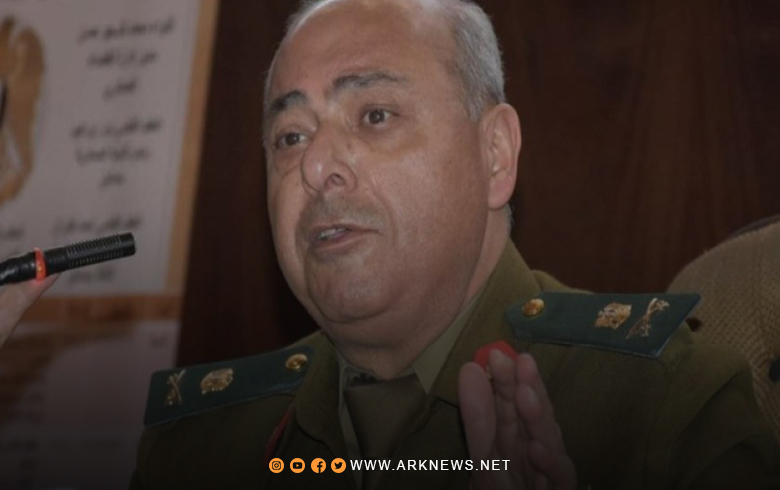
This progress is primarily attributed to the fall of Bashar al-Assad’s regime in December 2024, an event that ended decades of strict restrictions and systematic violations against journalists and media outlets, which had persisted for more than fifty years.
According to the report, despite significant improvements in conditions for journalists across most parts of the country, press freedom remains fragile amid ongoing political instability and increasing economic pressures.
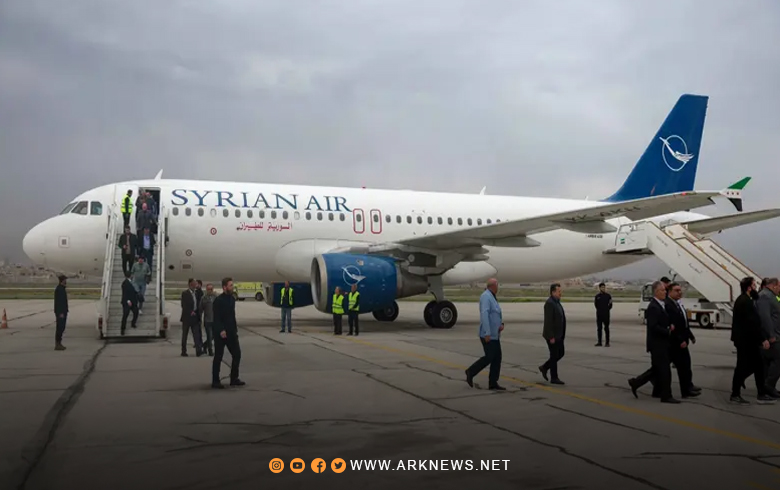
The Syrian media landscape has seen the return of several institutions that had operated in exile or in areas outside the former regime’s control. International news agencies have also resumed operations in the capital, Damascus, shortly after the political transition, signaling a relative opening in the media environment.
For decades, the ruling authority led by the Ba'ath Party imposed strict censorship on the press. Violations escalated during the protests that erupted in 2011, with journalists subjected to arrest, torture, and assassination.
In opposition-controlled areas, journalists were also exposed to intimidation and detention by armed groups, and the fate of some remains unknown. Following the fall of the regime in 2024, the new government pledged to establish a sustainable framework for independent journalism.
The political transition led to the suspension of the previous legal system, which had been used to restrict freedom of expression. The new authorities have pledged to create a more open media environment and guarantee press freedom. Meanwhile, journalists and civil society organizations are increasingly calling for the drafting of a new constitution that ensures access to information and safeguards media independence.
The media environment has been significantly affected by the social polarization resulting from years of conflict. “Media activists,” who played a key role in reporting during the war—particularly through social media—are now returning to work inside the country. They face challenges related to maintaining independence and adopting a critical stance toward the new authorities.
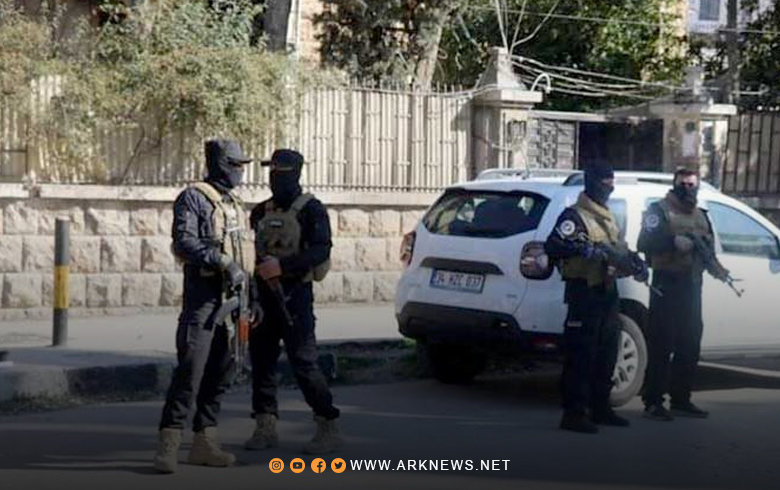
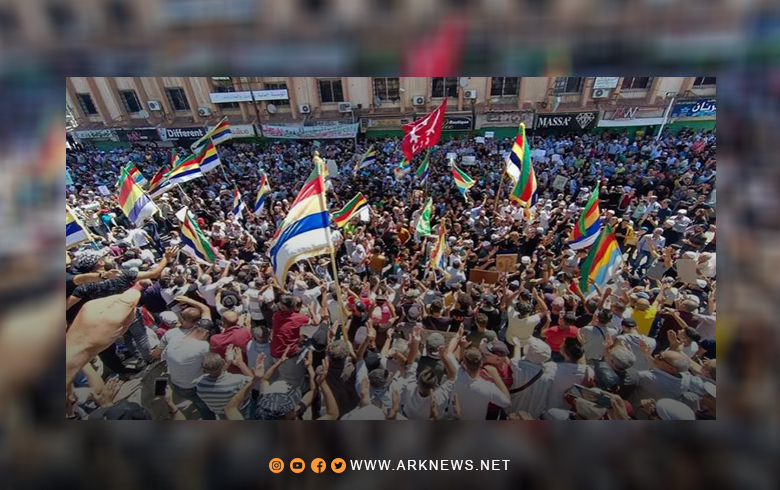
Although security conditions have relatively improved compared to previous years, the transitional phase has only opened the door to limited stability. The report notes that “violent clashes between government forces and religious minorities along the coast, in Rojava, and in Suwayda have exposed a large number of journalists to violence and intimidation,” while members of religious minorities remain particularly vulnerable to risks.
Share Share Share
416