38th Anniversary of the Halabja Chemical Attack
ARK News.. Today, Monday, March 16, 2026, marks the 38th anniversary of the chemical bombing of Halabja, which killed around 5,000 civilians and injured thousands more.
On March 16, 1988, the Iraqi Ba'athist regime carried out a chemical attack against the Kurdish population in Halabja as part of the Al‑Anfal Campaign in Kurdistan Region.
A medical investigation conducted by the United Nations concluded that mustard gas was used in the attack, along with other unidentified nerve agents.
The bombing of Halabja is widely regarded as the largest chemical weapons attack ever carried out against a civilian-populated area, resulting in the deaths of about 5,000 people and injuries to 7,000–10,000 others, most of them civilians.
Preliminary studies conducted in the affected area later revealed a significant increase in cancer rates and congenital birth defects in the years following the attack, effects that continue to be observed to this day.
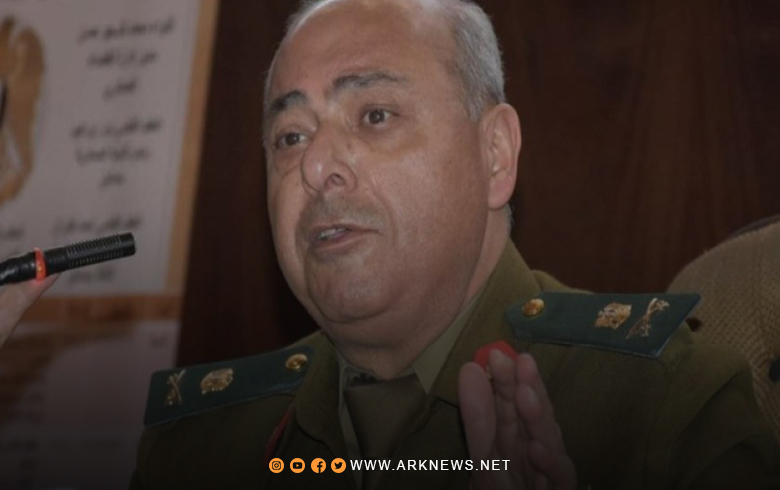
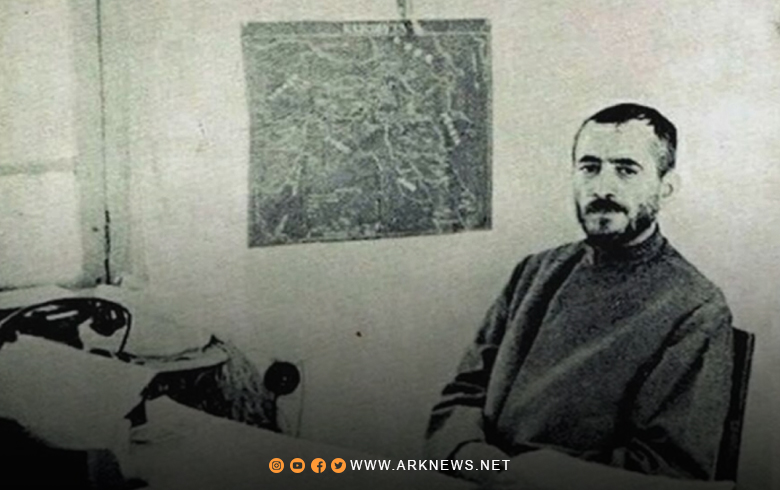
After the fall of the Iraqi regime, Ali Hassan al-Majid—a senior official and commander of the Anfal campaign—was convicted of ordering the attack and was later executed in 2010.
The chemical bombing of Halabja is considered one of the most severe attacks targeting civilians of a single ethnic group, fitting the legal definition of genocide under international law, which applies when acts are committed with the intent to destroy a particular national, ethnic, or racial group.
Every year on March 16, residents of the Kurdistan Region—including government officials and citizens across different parts of Kurdistan—observe five minutes of silence in remembrance of the victims of the Halabja massacre. Many people wear black in mourning, memorial events are held, and traffic comes to a halt for five minutes to honor the victims of the tragedy.
Halabja, Halabja Chemical Attack, Anfal Campaign, Kurdistan Region, Genocide
175