22nd Anniversary of the March 12, 2004 Uprising
ARK News.. Thursday, March 12, 2026, marked the 22nd anniversary of the March 12, 2004 uprising in Syrian Kurdistan, when the Kurdish people rose against injustice, repression, and the targeting of their identity and symbols, breaking the barrier of silence in the face of the former Assad regime. The uprising resulted in more than thirty martyrs, hundreds of wounded, and thousands of detainees who were subjected to severe torture by the security services of the Assad regime.
The spark of the March 12 uprising began in the city of Qamishli in Syrian Kurdistan in 2004, following a violent incident that preceded a football match between the local team al-Jihad and al-Fituwa from Deir Ez-Zour. Before the match, dozens of vehicles carrying groups described as chauvinist supporters—brought from different areas of Syria and associated with the visiting team—gathered in the streets of Qamishli. According to accounts, they marched through the city carrying images of Saddam Hussein, chanting slogans and directing insults toward Kurds and their national symbols.
Despite the presence of security forces at the entrances to the municipal stadium, those groups reportedly entered carrying sticks, knives, and stones without inspection, while Kurdish supporters of Al-Jihad were subjected to strict searches.
Before the match began, clashes erupted when stones were thrown toward the Kurdish crowd, and insults were exchanged. Security forces inside the stadium were also reported to have targeted Kurdish spectators.
When news spread across the city that the match had been postponed—following reports broadcast in a sports program that residents said misrepresented the events—thousands of people headed toward the stadium to check on their relatives. Security forces prevented them from entering as shouting, clashes, and gunfire were reportedly heard inside.
At that time, the governor of Hasakah, Salim Kabboul, who headed the province’s security committee, arrived at the scene. According to eyewitness accounts, security forces opened fire on civilians, leading to the deaths of four people and injuries to dozens more. That night, Qamishli witnessed protests and confrontations between demonstrators and security forces, followed by widespread raids and arrests.
On March 13, thousands of Kurdish residents participated in the funeral procession for the four victims, whose bodies were wrapped in the Kurdistan flag. Tensions escalated again when security forces reportedly demanded the removal of the flags. When mourners refused, gunfire broke out once more, resulting in additional deaths and injuries.
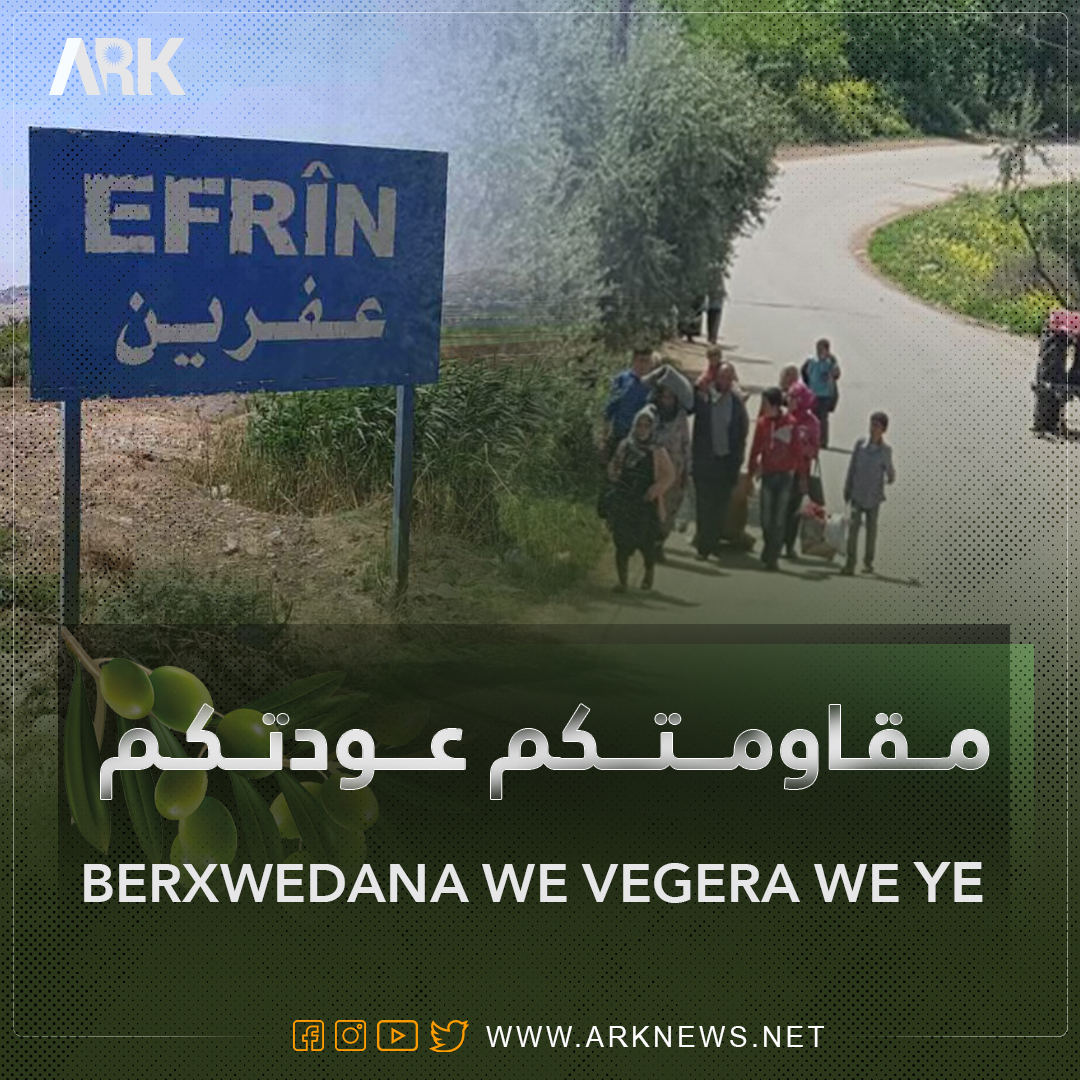
The events then escalated into a widespread uprising in Qamishli, where protesters attacked and set fire to security headquarters and raised Kurdistan flags across parts of the city. The unrest soon spread to other Kurdish cities, including Amouda, Derbasiya, Sari Kaniye, Tirbaspiye, Girke Lage, Derik, Kobani, and Afrin, and extended to Kurdish neighborhoods in Aleppo and Damascus.
According to accounts from activists and participants, more than 33 people were killed during the uprising and in the aftermath, including individuals who died under torture in Syrian regime prisons in Hasaka and Damascus. Others were reportedly killed during their compulsory military service, bringing the total number of victims to more than 40.
The March 12, 2004 uprising—driven by accumulated grievances, political marginalization, and decades of repression under the rule of Hafez al-Assad and later Bashar al-Assad—began spontaneously, largely led by Kurdish youth from different backgrounds. Men, women, and children joined the demonstrations in what participants describe as a moment of Kurdish unity.
Many observers view the uprising as a significant turning point in the Kurdish political movement in Syria and a precursor to the broader protests that began in March 2011 in the city of Daraa and later spread across the country, including to Qamishli, Amuda, Derik, and Afrin.
196