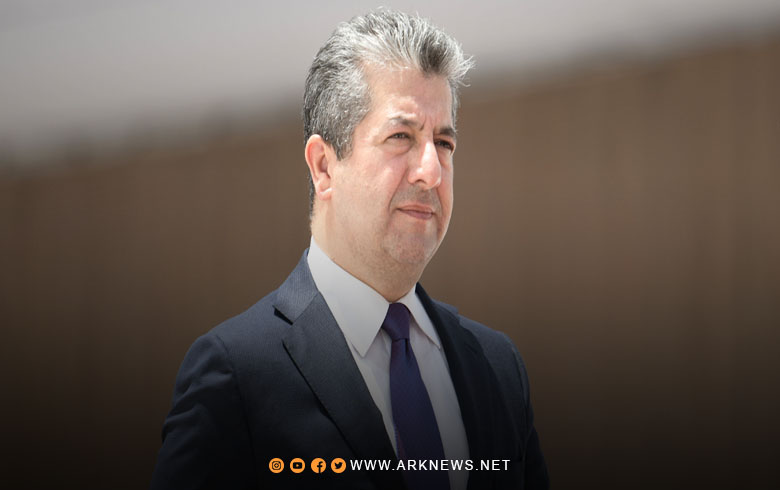
Masrour Barzani: Undermining the Kurdistan Region Is a Betrayal of Martyrs’ Achievements and Peshmerga Sacrifices
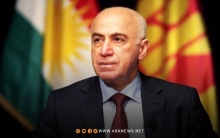
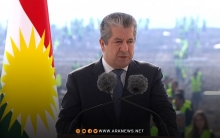
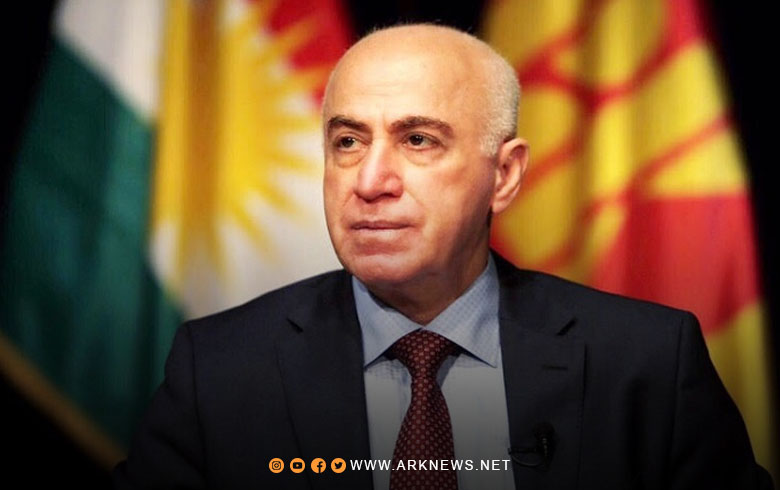
ARK News.. Kurdistan Region Prime Minister Masrour Barzani said on Tuesday, November 17, 2026, that “no one has the right or the ability to divide Kurdistan.”
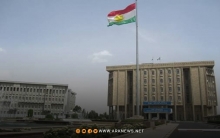
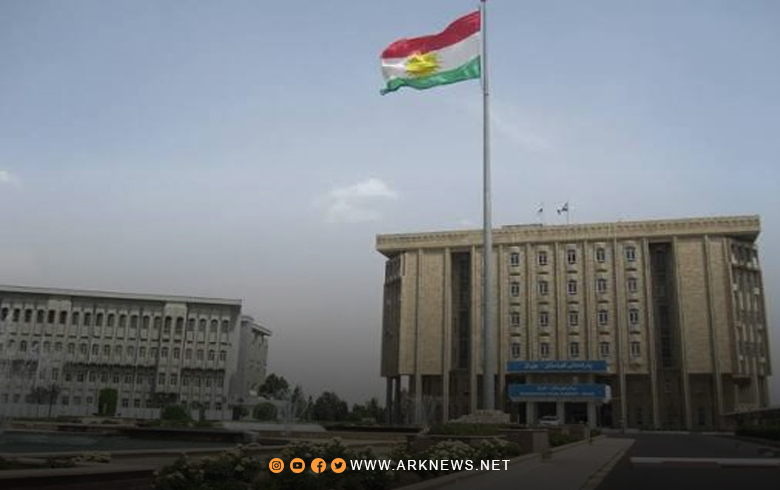
In a press statement, Barzani said the reactivation of the Kurdistan Parliament was not directed against any party, but was intended to safeguard the parliament’s legitimacy and the status of the Kurdistan Region.
He called on all political parties to take President Barzani’s appeal as a basis for setting aside personal and partisan interests and sitting down for dialogue to form a new government.
Barzani said the Kurdistan Democratic Party (KDP) had maintained continuous contact with the leadership of the Patriotic Union of Kurdistan (PUK) to arrange a meeting. “We sincerely want to be able to form a government together that serves the interests of all the people of Kurdistan. At the same time, everything must be kept in proportion, and the voice of the people of Kurdistan and the election results must be respected,” he said.
Regarding the Iraqi Federal Supreme Court’s dismissal of a complaint seeking the dissolution of the Kurdistan Parliament, Barzani thanked the court. He described attempts to dissolve the parliament and undermine the Kurdistan Region’s status as “a betrayal of the achievements of the martyrs and the sacrifices of the Peshmerga.” He also praised the people of Halabja and other cities across Kurdistan for standing against what he described as a campaign targeting the Region.
Barzani reiterated: “The Kurdistan Region will undoubtedly remain united. No one has the right or the ability to divide Kurdistan or separate its parts.”
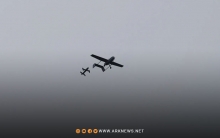
Barzani described the attack on the Kormor gas field as an act that harmed the people of both the Kurdistan Region and Iraq. He announced the formation of an investigative committee to swiftly identify those who carried out the attack and the parties behind it, and to ensure they face legal consequences.
Asked when electricity supplies would return to normal, he said repairing the extensive damage to the refinery was a technical matter, while the other challenge was securing guarantees to prevent further attacks. He recalled that the Iraqi prime minister had previously pledged to protect such economic infrastructure.
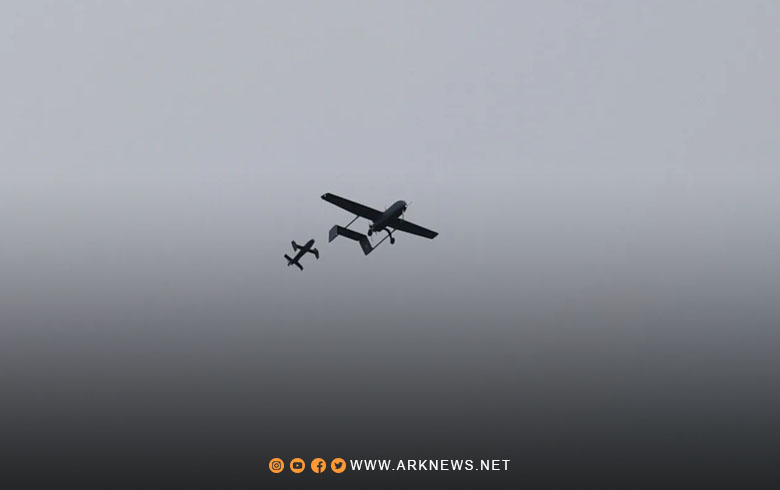
Barzani also revealed that the Kurdistan Region had long been asking the federal government, allies, and international partners to help it obtain air-defense systems and capabilities to intercept missiles and drones. He stressed that attacks had not been limited to economic facilities, but had also targeted security and military sites and civilians.
Barzani said the draft 2027 federal budget had not yet undergone final discussions. However, he said the prepared draft contained “significant discrimination and unfairness” against the people of Kurdistan.
He said the draft allocated only 13 trillion dinars to the Kurdistan Region out of a total budget of 216 trillion dinars. Given that the Region accounts for 14.14% of Iraq’s population, he argued that its allocation should amount to approximately 30 trillion dinars.
He explained that during a recent visit to Baghdad, the Kurdistan Region delegation held talks with the finance minister and subsequently reached an agreement with the Iraqi prime minister on several issues, including securing the Region’s salaries on the same basis as those of all other Iraqis, without linking them to any other issue.
The Region also presented two proposals for securing its investment and operational budget:
- First proposal: Return half of the Region’s federal revenues to the federal government in exchange for securing the Kurdistan Region’s investment and operational allocations.
- Second proposal: Allow the Region to retain all non-oil revenues and assume responsibility for covering all budget expenditures except salaries, in exchange for transferring all revenues from oil currently marketed through the State Oil Marketing Organization (SOMO) to the federal government.
However, Barzani said that after the delegation returned from Baghdad, some amendments were made and ministers added provisions that had not been discussed during the negotiations. He stressed that dialogue with the federal government was continuing, but no final agreement had been reached.
On the provision of white oil (kerosene) for the winter season, Barzani said the federal government had pledged to send an initial shipment of 50 million liters.
He expressed hope that further shipments would follow, noting that temperatures are particularly low in the Region’s mountainous areas and that the initial quantity would not be sufficient to meet the needs of all residents.
92