47th Anniversary of the Passing of Kurdish Liberation Leader Mulla Mustafa Barzani
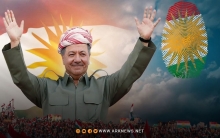
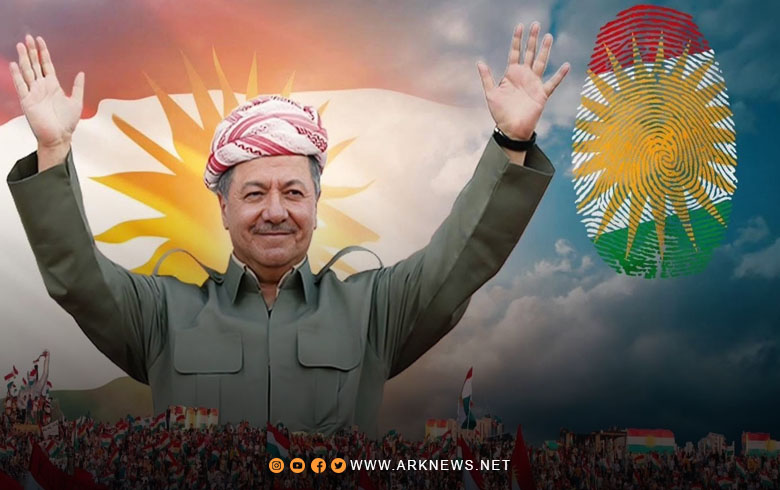
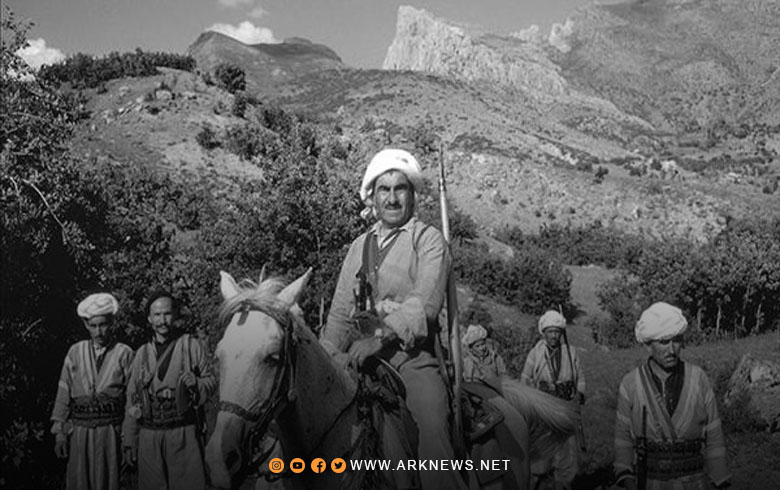
ARK News.. Today, Sunday, March 1, marks the 47th anniversary of the passing of Mulla Mustafa Barzani, the (leader of the Kurdish liberation movement) and regarded by many Kurds as the spiritual father of the Kurdish people.
Born on March 14, 1904, in the village of Barzan in the Kurdistan Region, Mustafa Sheikh Mohammed Barzani was arrested alongside his mother for nine months at the age of three during an Ottoman campaign following the arrest of his elder brother, Abdul Salam.
Barzani came from a religious family affiliated with the Naqishbandi order. He participated in the 1919 uprising led by Sheikh Mahmud al-Hafid and was entrusted with commanding a force of 300 fighters. He was later dispatched by Sheikh Ahmed Barzani to coordinate with Sheikh Saeed Piran during the Kurdish revolt in southeastern Turkey.
During the Kurdish uprisings of 1931–1932, Barzani led significant forces in battles along the Mergasor–Sherwan axes, gaining a reputation as a skilled and experienced military commander.
Amid World War II, Barzani led an armed uprising in the Barzan region, with Peshmerga forces reaching around 2,500 fighters, resulting in Baghdad temporarily losing control of the area. Fierce battles continued through 1945 before Kurdish forces withdrew toward border regions.
On August 15, 1945, the Kurdistan Democratic Party was founded in Iran, and its message soon spread across Kurdish areas. In January 1946, during the declaration of the Republic of Mahabad in eastern Iran, Barzani was appointed commander of the republic’s army and granted the rank of general, standing beside Qazi Muhammad at the ceremony.
Following the collapse of the Mahabad Republic and the withdrawal of Soviet support, clashes erupted between Iranian forces and Barzani’s troops. After intense resistance, Kurdish fighters crossed into the Soviet Union, where Barzani and his followers remained for 12 years.
After the Baath Party’s return to power in Iraq in 1968, negotiations between Barzani and Baghdad led to the 1970 Autonomy Agreement, which recognized Kurdish participation in governance, granted official status to the Kurdish language in educational institutions, and outlined provisions for self-rule in Kurdistan. However, the Iraqi government later withdrew from the agreement and, following the 1975 Algiers Agreement with Iran, the Kurdish movement suffered a major setback.
In 1975, Barzani fell ill and traveled to the United States for treatment, where he passed away in 1979. His body was temporarily buried in Shino (eastern Kurdistan) before being reinterred in Barzan after the March Uprising.
Today, his mausoleum in Barzan has become a national site visited annually by Kurds from across Kurdistan — including students, intellectuals, Peshmerga, women, and families — who continue to regard him as a historic leader and enduring symbol of the Kurdish national movement.
290