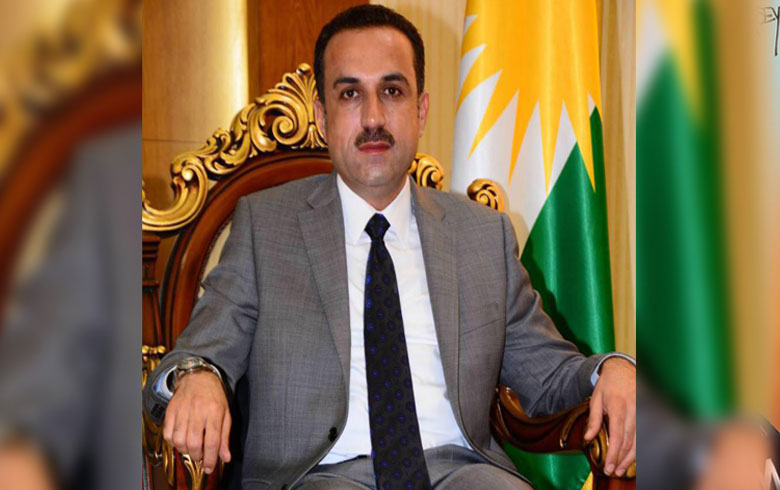
ARK News.. Masrour Barzani and Mazloum Abdi Discuss Latest Regional Developments and Tensions
ARK News.. Masrour Barzani, Prime Minister of the Kurdistan Region, received a phone call on Monday, March 2, 2026, from Mazloum Abdi, Commander of the Syrian Democratic Forces.
According to a statement from the Kurdistan Regional Government, the call focused on the general situation in the Kurdistan Region and reviewed the latest developments and tensions affecting the wider region.
Both sides emphasized the importance of maintaining security and stability in the Kurdistan Region and the region as a whole, stressing the need to protect it from further repercussions and crises.
131


Omed Khoshnaw Directs Enhanced Security and Service Readiness, Tightened Market Oversight in Erbil
ARK News.. An expanded meeting of the Erbil Governorate Operations Room was held at the governorate headquarters under the supervision of Omed Khoshnaw to review the overall situation and monitor the latest developments, with the aim of safeguarding public security and reorganizing procedures in preparation for any emergencies.
During the meeting on Sunday, March 1, 2026, Khoshnaw expressed his appreciation to all security formations, praising the high level of coordination and joint cooperation in maintaining the stability of Erbil and protecting citizens’ lives and property. He commended security forces for enforcing the law and addressing negative and unlawful practices in recent periods.
As part of emergency preparedness efforts, the governor stressed the need to further develop joint mechanisms and strengthen cooperation between the governorate’s Crisis Management Department, the Barzani Charity Foundation, and the Iraqi Red Crescent Society.
He emphasized unifying efforts with the Civil Defense Directorate and supporting departments to ensure rapid response and the effective delivery of humanitarian and relief services within the province.
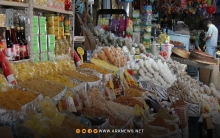
On the economic front, Khoshnaw instructed inspection committees affiliated with the district administration and the Commercial Monitoring Directorate to intensify continuous market inspections and take strict legal action against violators. He also directed close monitoring and evaluation of commercial warehouses to secure essential supplies and prevent exploitation of current circumstances.
Concluding the meeting, the governor underscored the importance of all administrative and security units carrying out their duties in a spirit of teamwork and overcoming obstacles to reinforce stability across the province.
The meeting was attended by senior administrative, security, and service officials, including the deputy governor, the central district commissioner, the mayor, the director general of health, and directors of police, traffic, Zeravani forces, civil defense, and checkpoint security. Representatives from internal affairs, crisis management, commercial oversight, the Barzani Charity Foundation, and the Erbil branch of the Iraqi Red Crescent also participated.
161
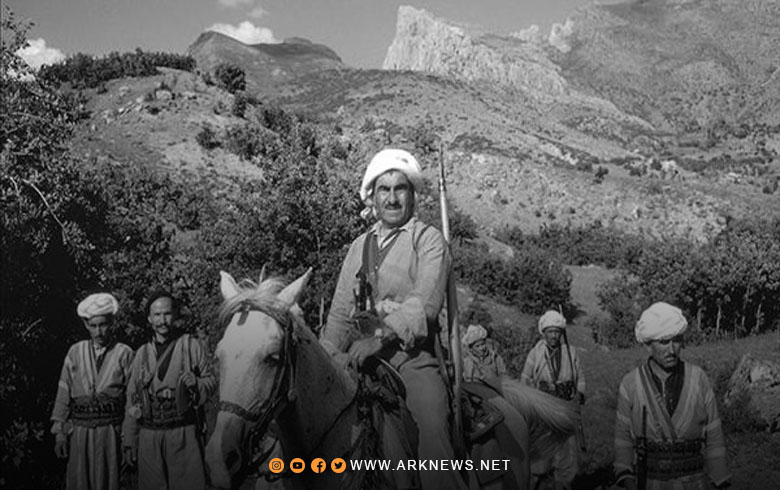
47th Anniversary of the Passing of Kurdish Liberation Leader Mulla Mustafa Barzani
ARK News.. Today, Sunday, March 1, marks the 47th anniversary of the passing of Mulla Mustafa Barzani, the (leader of the Kurdish liberation movement) and regarded by many Kurds as the spiritual father of the Kurdish people.
Born on March 14, 1904, in the village of Barzan in the Kurdistan Region, Mustafa Sheikh Mohammed Barzani was arrested alongside his mother for nine months at the age of three during an Ottoman campaign following the arrest of his elder brother, Abdul Salam.
Barzani came from a religious family affiliated with the Naqishbandi order. He participated in the 1919 uprising led by Sheikh Mahmud al-Hafid and was entrusted with commanding a force of 300 fighters. He was later dispatched by Sheikh Ahmed Barzani to coordinate with Sheikh Saeed Piran during the Kurdish revolt in southeastern Turkey.
During the Kurdish uprisings of 1931–1932, Barzani led significant forces in battles along the Mergasor–Sherwan axes, gaining a reputation as a skilled and experienced military commander.
Amid World War II, Barzani led an armed uprising in the Barzan region, with Peshmerga forces reaching around 2,500 fighters, resulting in Baghdad temporarily losing control of the area. Fierce battles continued through 1945 before Kurdish forces withdrew toward border regions.
On August 15, 1945, the Kurdistan Democratic Party was founded in Iran, and its message soon spread across Kurdish areas. In January 1946, during the declaration of the Republic of Mahabad in eastern Iran, Barzani was appointed commander of the republic’s army and granted the rank of general, standing beside Qazi Muhammad at the ceremony.
Following the collapse of the Mahabad Republic and the withdrawal of Soviet support, clashes erupted between Iranian forces and Barzani’s troops. After intense resistance, Kurdish fighters crossed into the Soviet Union, where Barzani and his followers remained for 12 years.
After the Baath Party’s return to power in Iraq in 1968, negotiations between Barzani and Baghdad led to the 1970 Autonomy Agreement, which recognized Kurdish participation in governance, granted official status to the Kurdish language in educational institutions, and outlined provisions for self-rule in Kurdistan. However, the Iraqi government later withdrew from the agreement and, following the 1975 Algiers Agreement with Iran, the Kurdish movement suffered a major setback.
In 1975, Barzani fell ill and traveled to the United States for treatment, where he passed away in 1979. His body was temporarily buried in Shino (eastern Kurdistan) before being reinterred in Barzan after the March Uprising.
Today, his mausoleum in Barzan has become a national site visited annually by Kurds from across Kurdistan — including students, intellectuals, Peshmerga, women, and families — who continue to regard him as a historic leader and enduring symbol of the Kurdish national movement.
243
Kurdistan Region Counter-Terrorism Service Issues Urgent Warning
ARK News.. The Kurdistan Region Counter Terrorism Service issued an urgent warning to citizens on Saturday, February 28, 2026, stressing the need to remain in safe and sheltered locations immediately upon hearing sirens.
According to the statement, residents were urged to strictly follow precautionary and safety measures, emphasizing the importance of taking cover in appropriate locations when warning signals are activated.
The agency explained that these measures are intended to protect lives and prevent injuries or unfortunate incidents resulting from falling debris during air defense interceptions of hostile objects.
The statement also noted that debris from intercepted objects had been observed falling in several areas, underscoring that staying in secure locations is essential to ensure public safety under the current circumstances.
161
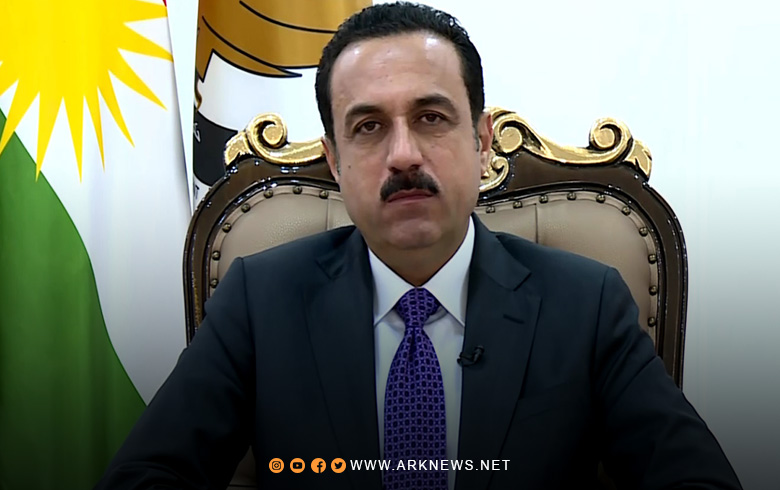
Omed Khoshnaw Reassures Citizens Over Food Supply Stability in Erbil
ARK News.. Erbil Governor Omed Khoshnaw issued a message of reassurance to residents regarding the stability of food supplies in Erbil, affirming that essential goods are available in large quantities and sufficient for an extended period.
In remarks to the media, Khoshnaw stated that warehouses and storage facilities in Erbil are “fully stocked with basic food commodities,” noting that the current strategic reserve is sufficient to meet citizens’ needs for six months.
He stressed that there is no justification for concern or fear over shortages or market disruption.
The governor also warned against any attempts to exploit the current circumstances to create instability in the markets, emphasizing that strict legal measures will be taken against any party involved in price manipulation or market disturbances.
Additionally, he announced that oversight authorities have been instructed to intensify field monitoring of markets to ensure smooth commercial activity and protect consumers from any manipulation.
186
Al-Shaibani and Nechirvan Barzani Discuss Repercussions of Iranian Attacks on the Region
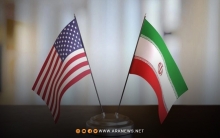
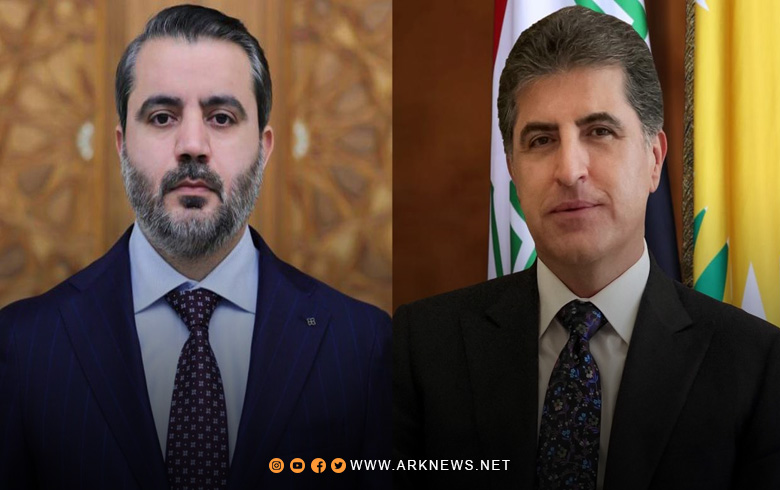
ARK News.. Nechirvan Barzani, President of the Kurdistan Region, received a phone call from Syrian Foreign Minister Asaad al-Shaibani to discuss the latest regional developments and ways to strengthen cooperation to preserve security and stability following Iranian attacks on the Kurdistan Region and several Arab countries.
According to a statement issued on Saturday, February 28, 2026, the two sides reviewed recent security developments and their implications for regional stability, stressing the importance of enhancing regional and international cooperation to safeguard security.
The Syrian Arab News Agency Syrian Arab News Agency (SANA) reported that al-Shaibani also held phone calls with several regional and international officials, including: Faisal bin Farhan al Saud, Foreign Minister of Saudi Arabia Mohammed bin Abdulrahman Al Thani, Prime Minister and Foreign Minister of Qatar Hakan Fidan, Foreign Minister of Turkey Abdullatif bin Rashid al-Zayani, Foreign Minister of Bahrain Jarrah Jaber Al Ahmad Al Sabah, Foreign Minister of Kuwait Ayman Safadi, Deputy Prime Minister and Foreign Minister of Jordan Jonathan Powell, National Security Adviser of the United Kingdom.
The discussions focused on the latest developments in the Iranian–Israeli escalation and its impact on regional security and stability, including conditions in countries affected by the exchange of missile fire. The talks also addressed ways to strengthen regional and international coordination to contain the crisis and support stability.
Al-Shaibani reaffirmed Syria’s firm position in support of “brotherly Arab states,” condemning what he described as “blatant attacks” against them and rejecting any violation of their sovereignty and security.
He also stressed the importance of intensifying diplomatic efforts to preserve regional stability and safeguard the security of peoples across the region.
Arab States
152
Trump Announces Major Operations Against Iran: “We Will Prevent Them from Acquiring Nuclear Weapons”
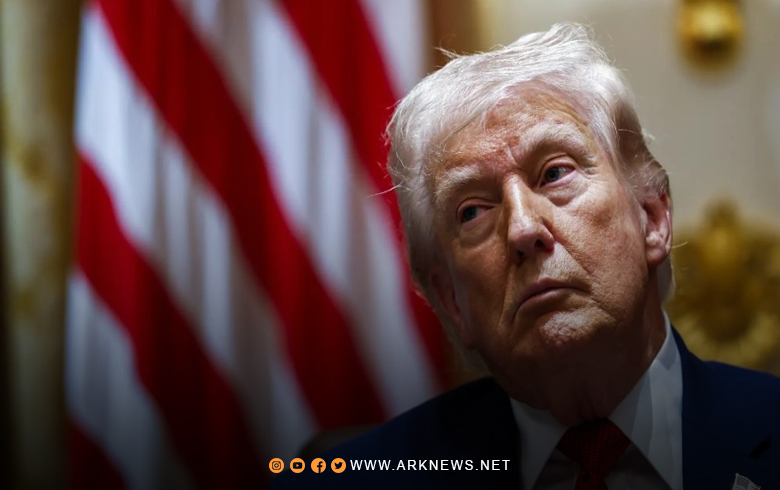
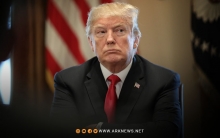
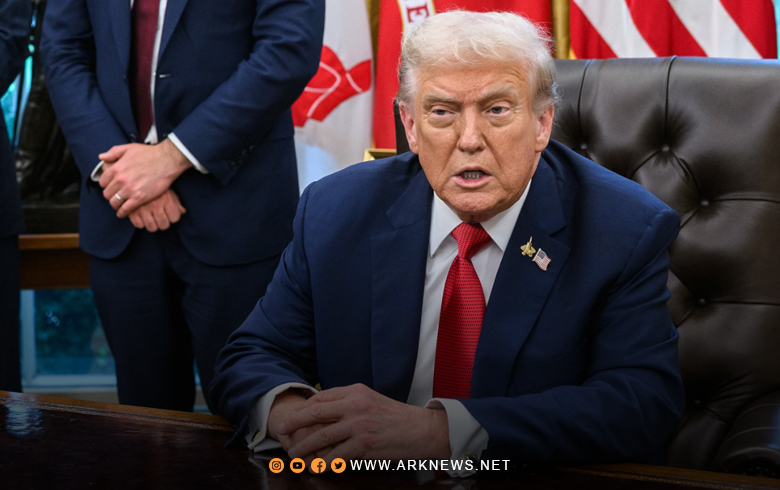
ARK News.. Donald Trump announced the start of extensive military operations against Iran, stating that the goal is to protect Americans and prevent Tehran from obtaining nuclear weapons.
In official remarks on Saturday, February 28, 2026, Trump said that U.S. forces had begun “major combat operations in Iran,” emphasizing that the United States will completely destroy Iran’s missile capabilities.
He added that the message to Iran is “clear”: it will not be allowed to acquire nuclear weapons. Trump stressed that the U.S. military is the strongest in the world and asserted that his country will prevail.
The president explained that the operations are a response to what he described as past Iranian attacks targeting U.S. interests and facilities, noting that Tehran’s activities pose a direct threat to the United States, its military bases abroad, and its allies worldwide.
Trump also stated that Washington aims to prevent Iran from producing any new missiles, stressing that Iran possessing a nuclear weapon is “unacceptable.”
As part of the ongoing operation, he announced that U.S. forces will work to “eliminate the Iranian naval fleet.”
The United States, together with Israel, carried out widespread strikes targeting several sites and installations belonging to the Iranian regime, with reports of loud explosions heard in multiple Iranian cities, according to Iranian media.
101
Trump Administration Asks to End Immigration Protection for Around 6,000 Syrians
ARK News.. On Thursday, February 26, 2026, President Donald Trump’s administration urged the Supreme Court of the United States to allow it to end temporary deportation protections for approximately 6,000 Syrian immigrants living in the United States.
The United States Department of Justice filed an emergency request seeking to lift a ruling issued last November by Judge Katherine Failla, which blocked the administration from ending Temporary Protected Status (TPS) for Syrians until a decision is made in the lawsuit filed against the move, according to Reuters.
On February 17, a federal appeals court in New York also refused to suspend the ruling. This marks the third time the administration has turned to the Supreme Court regarding the termination of these protections, after the Court previously sided with the administration in two cases involving Venezuelan immigrants.
Temporary Protected Status grants a humanitarian classification to citizens of countries experiencing war or natural disasters, allowing them to remain and work in the United States.
Last September, Homeland Security Secretary Kristi Noem announced that Syria no longer met the criteria for ongoing armed conflict, arguing that the program had been abused and that many beneficiaries were no longer eligible.
185
Syria Thwarts Major Captagon Shipment to Saudi Arabia
Welat TV – Erbil
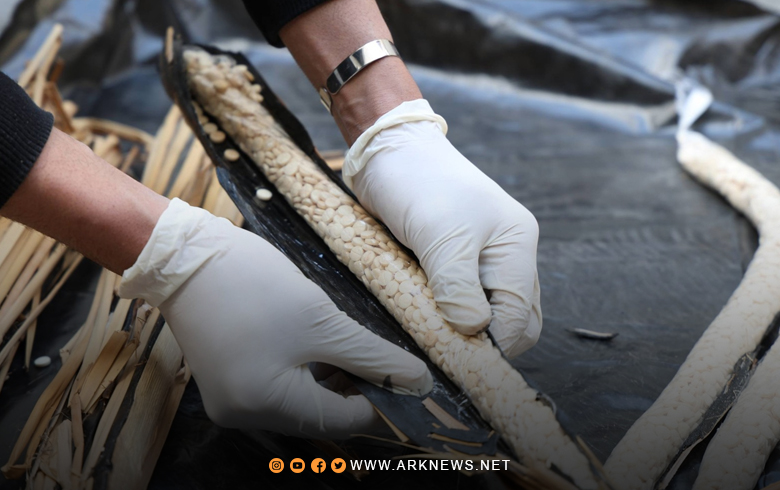
The Syrian Ministry of Interior announced that its Anti-Narcotics Directorate successfully intercepted a large shipment of illicit drugs intended for Saudi Arabia.
According to the ministry, the drugs were concealed inside shoes and horse saddles and were discovered during inspections of shipping and export companies. Authorities seized approximately 180,000 Captagon pills.
A suspect identified as M. J. was arrested, and the seized materials were confiscated. The detainee has been referred to the competent authorities to continue investigations.
218

Reuters: Washington Pressures Syria to Shift Away from Chinese Telecom Systems
ARK News.. Reuters reported on Thursday that the United States has warned Syria against relying on Chinese technology in its telecommunications sector, arguing that such dependence conflicts with U.S. interests and poses national security concerns.
According to three informed sources, the message was conveyed during an undisclosed meeting held Tuesday in San Francisco between a delegation from the U.S. State Department and Syrian Communications Minister Abdul Salam Haykal. The sources said Washington requested clarification regarding Damascus’s plans to use Chinese telecommunications equipment.
A U.S. diplomat familiar with the matter said the State Department clearly urged the Syrian side to adopt American or allied technology in telecommunications infrastructure projects.
A department spokesperson added that Washington encourages countries to prioritize national security and data protection when procuring equipment linked to critical infrastructure.
The spokesperson noted that Chinese laws allow authorities access to corporate data—an issue Washington considers a security risk—while Beijing has repeatedly denied using its technologies for espionage purposes.
For its part, Syria’s Ministry of Communications said its decisions regarding equipment and infrastructure are based on national technical and security standards to ensure data protection and service continuity. It stressed that telecommunications development projects are time-sensitive and that Damascus seeks to diversify suppliers and partnerships in line with national interests. It remains unclear whether the United States has offered alternative financial or logistical support.
Syria’s telecommunications infrastructure relies heavily on Chinese technology, particularly from Huawei, whose equipment accounts for more than 50% of the networks operated by Syriatel and MTN Syria, according to sources and documents reviewed by Reuters. The development comes as Syria works to rehabilitate a telecommunications sector damaged by 14 years of conflict and to attract foreign investment.
Recently, the Saudi Telecom Company announced an $800 million investment to lay more than 4,500 kilometers of fiber-optic cable aimed at strengthening regional and international connectivity.
The Syrian Ministry of Communications said U.S. restrictions continue to limit the entry of certain technologies and services into the Syrian market, expressing readiness to expand cooperation once those restrictions are eased.
367