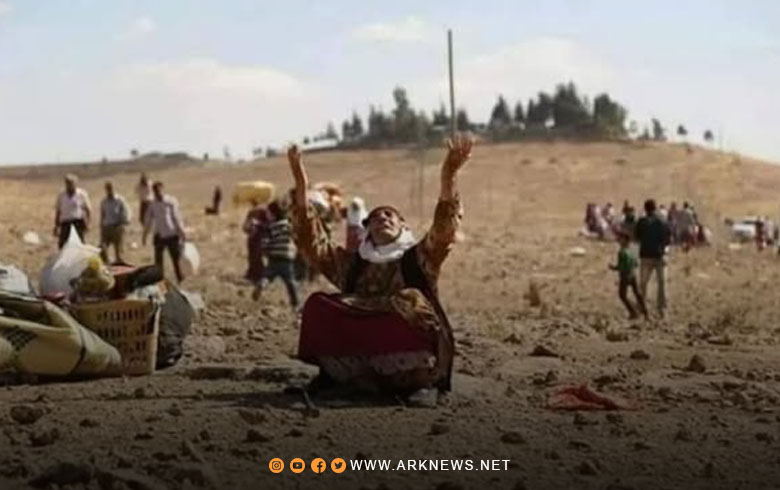
12th Anniversary of the Forced Mass Displacement from Kobani
ARK News.. Following the Islamic State (ISIS) group’s bloody attack on Sinjar and its massacres against Kurdish Yazidis in August 2014, the group launched another offensive against Kobani in Syrian Kurdistan on September 18–21, 2014, forcing hundreds of thousands of residents to flee toward Turkey, the Kurdistan Region, Europe, and elsewhere in search of safety.
September 18–21 marks the 12th anniversary of the mass displacement from Kobani and Gire Spi following the ISIS offensive. The anniversary recalls the painful scenes of displacement and the profound humanitarian suffering endured by the population.
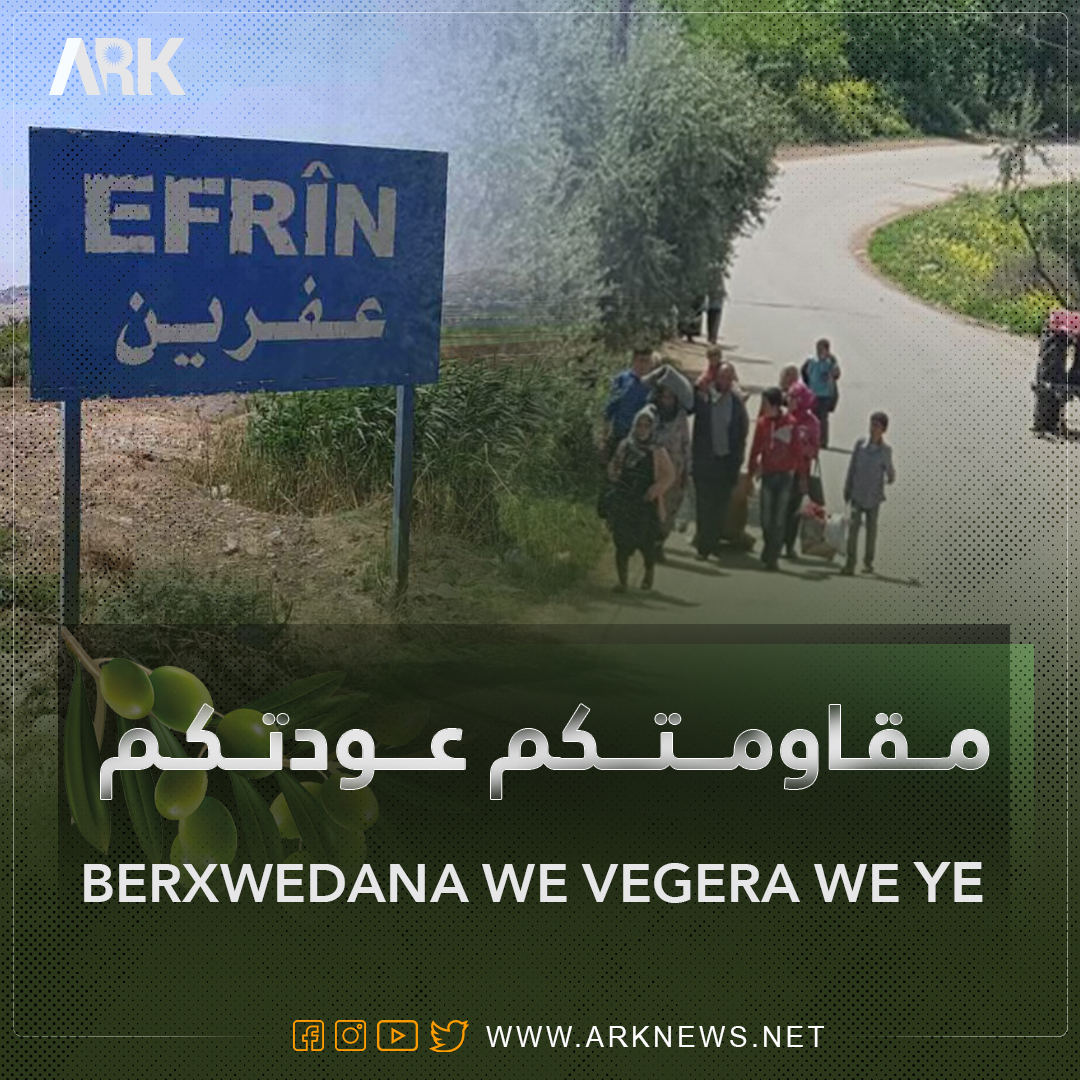
Thousands of Kobani residents were forced to abandon their homes and land to save their lives and those of their children as the city became a major battlefield.
The tragedy did not end with displacement. The war also claimed the lives of large numbers of civilians, leaving survivors with lasting wounds and memories of loss.
Details of the Attack and Displacement
ISIS attacked Kobani and its surrounding countryside in one of the group’s most intense campaigns against civilians during that period of the war. The offensive advanced along three main axes: Jarabulus, Sirrin, and Gire Spi, triggering a mass exodus as residents fled the group’s violence, particularly following the massacres committed against civilians in Sinjar.
Thousands of residents headed toward the Turkish border. Some settled there, while others continued their journey toward Europe by sea. Many others sought temporary safety in the Kurdistan Region.
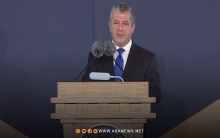
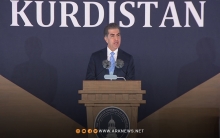
Amid the humanitarian crisis, Kobani received widespread international solidarity. At the request of President Masoud Barzani, the Kurdistan Parliament held an extraordinary session on October 8, 2014, and decided to send Peshmerga forces to Kobani to support the People's Protection Units (YPG) and Women's Protection Units (YPJ) in defending the city.
With the arrival of Peshmerga forces, the U.S.-led international coalition against ISIS was formed, with the participation of dozens of Arab and foreign countries. Fighting inside Kobani continued for several months, causing extensive destruction across the city amid fierce clashes and airstrikes targeting ISIS positions.
The sacrifices and cooperation ultimately led to the liberation of Kobani from ISIS, in a victory that came to symbolize resilience and resistance against terrorism.
Despite the destruction and displacement, it endured. Kobani remains a living symbol of resistance to oppression and terrorism, while its displaced residents continue to await conditions that would allow them to return home.
73