Afrin: Rare Archaeological Artifacts Bearing Ancient Latin Inscriptions Discovered
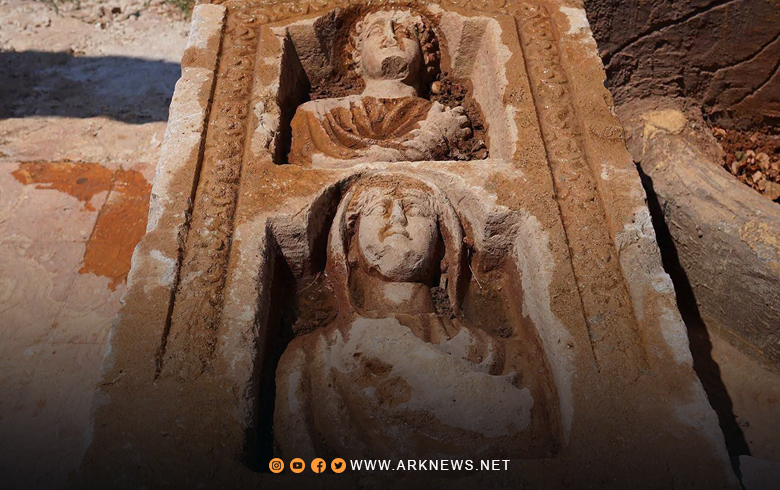
ARK News. Archaeological authorities in Afrin have announced the discovery of a collection of rare historical artifacts and archaeological remains bearing ancient Latin inscriptions in the Afrin region of Syrian Kurdistan. The artifacts were transferred to the Aleppo National Museum for documentation and preservation.
According to the Afrin Directorate of Antiquities, archaeological surveys and field inspections in a village in the Bulbul subdistrict led to the discovery of stone funerary stelae, columns, bases, and inscriptions dating to the Roman and Byzantine periods.
The source said the carved Latin texts shed new light on the historical and cultural developments that took place in the area during classical antiquity.
Following the completion of examinations and field documentation by a team of specialists, all the artifacts were transferred to the Aleppo National Museum to protect them from potential damage or deterioration as part of efforts to safeguard Afrin’s archaeological heritage and reduce the risks of the smuggling and looting of antiquities amid the region’s complex security conditions.
Archaeologists say documenting the newly discovered Latin inscriptions is an important step toward preserving the region’s diverse cultural heritage and highlighting its historical significance.
Afrin is considered one of the richest historical areas in northern Syria, home to archaeological sites dating back thousands of years, including the following:
Ain Dara Temple: One of the best-known temples of the Iron Age, famous for its distinctive basalt sculptures.
Nabi Hori (Cyrrhus): A historic Roman site featuring a prominent ancient theater.
Brad Archaeological Village: Home to the remains of Byzantine churches dating to the fifth century AD, as well as the tomb of Saint Maron, traditionally regarded as the founder of the Maronite community.
Byzantine churches and monasteries: Scattered throughout the archaeological villages and the so-called Dead Cities in the Afrin countryside.
48