Masrour Barzani: Kurdistan Region Has Never Threatened the Security of Any of Its Neighbors
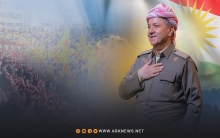
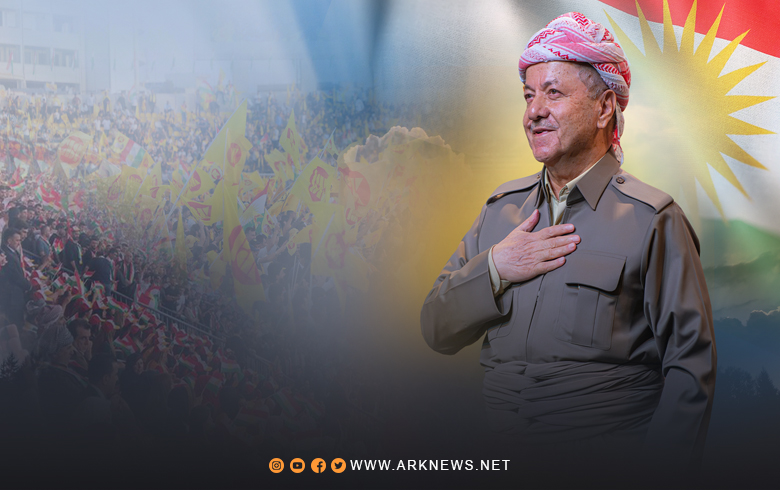
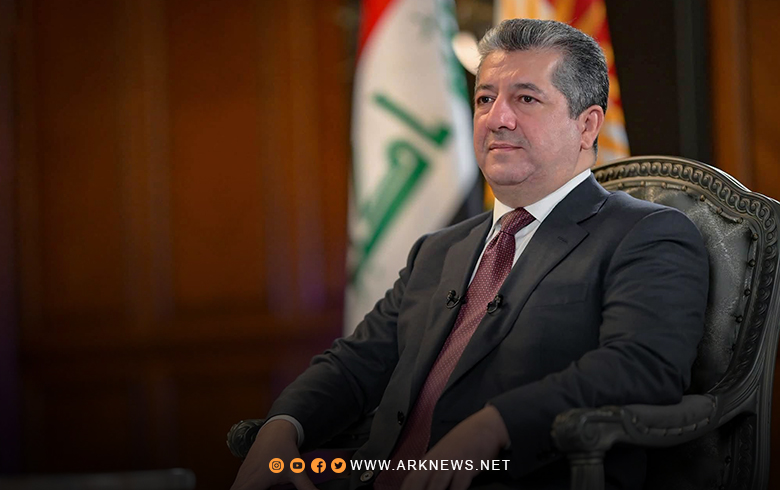
ARK News.. Kurdistan Region Prime Minister Masrour Barzani said in an exclusive and wide-ranging interview with Al-Monitor that the Kurdistan Region has never provoked or threatened any of its neighbors, stressing that it does not want to become part of the ongoing regional conflict.
“We have never threatened the security of any of our neighbors. As for why they are attacking us, I believe that is a question that should be directed to them,” Barzani said, in an apparent reference to Iran.
He added that the attacks appeared intended to intimidate the Kurdistan Region and possibly drag it into a conflict that it strongly opposes becoming involved in.
More than 1,000 attacks
Barzani said the Kurdistan Region had come under more than 1,000 drone and missile attacks by Iran or Iran-aligned groups since the outbreak of the conflict and even before it, targeting not only U.S. bases but also infrastructure, energy facilities, military camps, and, more recently, residential areas.
“We do not want to be a party to this conflict, and we have never provoked or threatened the security of any of our neighbors,” he said.
“We need explanations and clarification from their side as to why these attacks are being carried out against Kurdistan, when the Region has posed no threat to the security of any country in the region.”
Barzani said the Region would continue to protect its people and infrastructure while calling on the international community and the Iraqi federal government to support efforts to protect the sovereignty and territorial integrity of Iraq and the Kurdistan Region.
Iran's denial of responsibility
Asked about Iran's denial of responsibility for the attacks, Barzani said the drones used in the latest strikes were Iranian-made Shahed-110 Turbo drones and had been launched from inside Iran.
“Who launched them? Who is behind them? Who is responsible for them?” he asked.
“I believe the Iranian authorities themselves need to explain how drones that no one else possesses could be used by other parties to launch attacks beyond their borders, inside Iraq.”
He said the Iranian authorities should identify those responsible and inform the public.
Concerns over U.S. air defenses
Barzani also expressed concern over the reported withdrawal of remaining U.S. training and support forces from the Kurdistan Region, as well as the redeployment of U.S. Patriot air-defense systems.
“We are vulnerable, and unfortunately this region lies in an extremely volatile part of the Middle East,” he said, warning that the withdrawal of air-defense systems could create a dangerous security vacuum.
The Kurdistan Region, he added, needs air-defense systems, early-warning radars, counter-drone capabilities, and other defensive systems to protect its population, energy sector, and infrastructure.
“We hope to find a way with our friends to acquire these capabilities,” Barzani said, calling on international partners to help the Region strengthen its defenses.
He confirmed that discussions with the U.S. government over developing such capabilities were ongoing, describing Washington as a friend and partner that had provided security and protection to the Region.
Strong U.S.-Kurdistan partnership
Barzani described relations between Washington and the Kurdistan Region as “extremely valuable,” saying he was proud that Kurdistan was a U.S. ally and partner.
He also praised U.S. envoy Tom Barrack for condemning the Aug. 17 drone attacks and for describing him as a “valuable friend and partner” and the Kurdistan Regional Government as a “trusted Kurdish ally.”
“America has always been a trusted friend and ally of Kurdistan and the Kurds in particular,” Barzani said, adding that the relationship was now more important than ever.
While acknowledging the planned reduction of U.S. forces in the region, he said he hoped the relationship would continue through broader economic and political partnerships.
Support for Iraqi Prime Minister
Barzani also reiterated his support for Iraqi Prime Minister Ali al-Zaidi, describing him as a “genuine and trusted leader and friend.”
He said the Kurdistan Region supports the prime minister's efforts to combat corruption, place all groups under the authority of the law, and restrict weapons to the state.
Asked about the Sept. 30 deadline for armed factions to hand over their weapons, Barzani said all groups should comply with the law and the prime minister's directives and integrate into Iraq's official security institutions.
He warned that failure to cooperate would make the prime minister's task considerably more difficult, while stressing that no one wanted to see a military confrontation or further chaos.
Kurdistan's role in Syria and Turkey
Barzani said the Kurdistan Region maintains strong relations with Turkey and has also established good relations with the Syrian government.
He said the Region has sought to play a constructive role in supporting the peace initiative in Turkey and the process of integration and the establishment of a new, inclusive system in Syria.
“Our role has been to support those countries, and we are satisfied with what we have achieved and contributed so far,” he said.
Economic cooperation with the United States
Barzani said the Kurdistan Region strongly supports President Donald Trump's vision of “trade instead of conflict,” arguing that economic strength contributes to regional security and stability.
He said the Kurdistan Regional Government had encouraged greater trade with neighboring countries and invited U.S. companies to invest in Kurdistan not only in the energy sector but also in agriculture, infrastructure, technology, and other fields.
“We hope U.S. companies will see Kurdistan as an attractive and profitable destination,” he said.
Barzani added that greater economic integration with Turkey and Syria would create significant investment opportunities, while stressing that attacks by missiles and drones had repeatedly obstructed economic development.
Delay in forming the Kurdistan Regional Government
On the delay in forming a new Kurdistan Regional Government more than 20 months after the elections, Barzani described the situation as “extremely unfortunate,” stressing that it had never been his preference.
He said the Kurdistan Democratic Party had wanted an inclusive government with the Patriotic Union of Kurdistan as its main partner, but that the PUK had preferred to wait until after Iraq's general elections.
Barzani said the KDP won the largest share of votes not only in the Kurdistan Region but across Iraq, but the result did not lead to an accelerated government formation.
“The delay in forming the government has negative consequences,” he said, adding that international friends and partners were also urging the political parties to resolve the issue.
Barzani called for the Kurdistan Parliament to resume its work and said those obstructing its sessions should be held accountable.
“I will continue to do everything I can to complete the formation of the government,” he said, calling on all political partners to put the national interests of the people of Kurdistan above narrow personal or partisan interests.
On the U.S. withdrawal
Concluding the interview, Barzani said he respected Washington's sovereign decision to withdraw its forces from Iraq but expressed hope that the move would not leave a security vacuum.
“We want to maintain and strengthen our strong relationship with the United States and expand it into broad economic and political partnerships,” he said.
“The Kurdistan Region will remain the United States' most trusted and reliable ally and partner in the region.”
71