34th Anniversary of the Mass Exodus of the People of Kurdistan
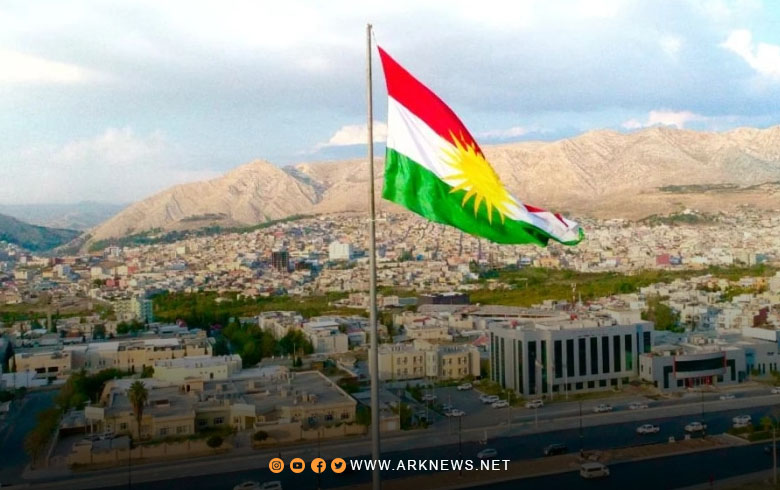
ARK News.. March 31, 2025, marked 34 years since the mass exodus of the people of Kurdistan, a tragic chapter in history that saw hundreds of catastrophic events and the loss of dozens of lives at the hands of the Iraqi army. The people of Kurdistan endured not only brutal military repression but also countless hardships during this forced migration.
On March 5, 1991, the people of Kurdistan rose against oppression and tyranny, managing to liberate most of South Kurdistan from the control of the Ba'athist regime in a remarkably short period. However, following the regime's defeat in Kuwait, its retreating forces turned their attention to Kurdistan, launching ground and aerial attacks against the uprising, leading to the mass exodus.
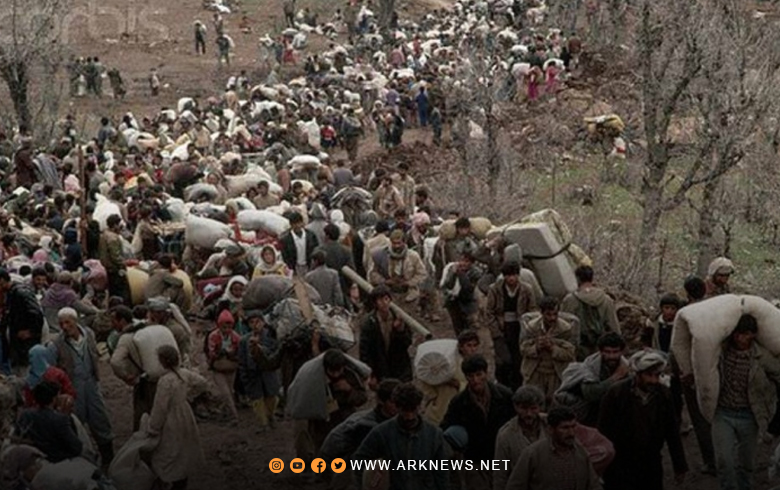
The Iraqi regime, led by Saddam Hussein at the time, deployed tanks, artillery, and soldiers to crush the Kurdish uprising, forcing hundreds of thousands to flee their cities, villages, and homeland rather than submit once again to oppression. This mass migration saw over a million people seek refuge along the borders of Iraq with Iran and Turkey. Many, including women, children, and the elderly, lost their lives at the hands of regime forces during this harrowing journey. The event, which shocked global conscience, became one of the largest mass migrations of a people seeking freedom and rejecting tyranny.
The exodus was undertaken on foot, with displaced families trekking hundreds of kilometers through treacherous mountainous terrain. They suffered from exhaustion, extreme cold, hunger, fear, and disease while escaping the brutality of the Iraqi regime, which had already committed genocide, chemical attacks, and mass executions against them during previous campaigns.
Global media outlets and news agencies broadcasted the heart-wrenching images of this migration, highlighting the Kurdish people's resistance against dictatorship and their aspirations for freedom and independence.
In response, the United Nations Security Council issued Resolution 688, establishing a safe zone for the Kurds north of the 36th parallel in Iraq. This decision paved the way for the return of displaced families to their towns and villages, many of which had been looted and pillaged by the retreating Iraqi army.
Following their return, the people of Kurdistan successfully expelled the remnants of the regime’s forces from Kurdish cities, ultimately leading to the first democratic elections in the region. These elections resulted in the formation of the Kurdistan Parliament and the Kurdistan Regional Government (KRG)—a historic step toward self-governance and a brighter future for the Kurdish people.
558