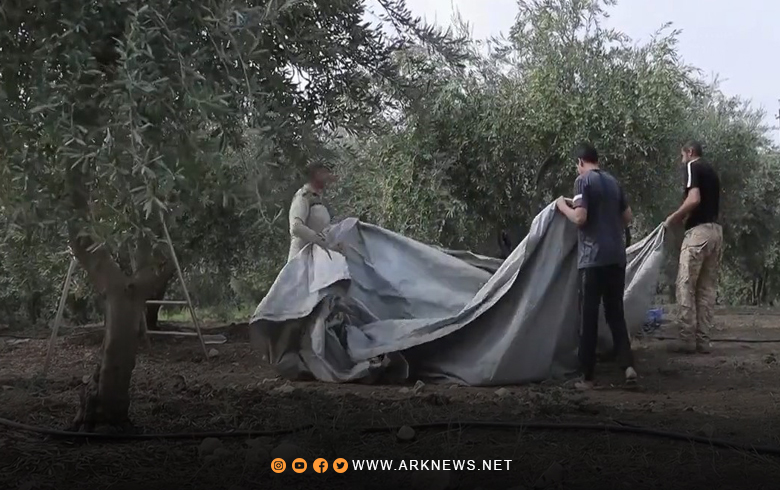
During the olive harvest seasons, the trees of Kurdistan console the people of Afrin
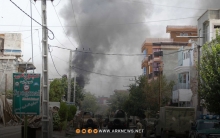
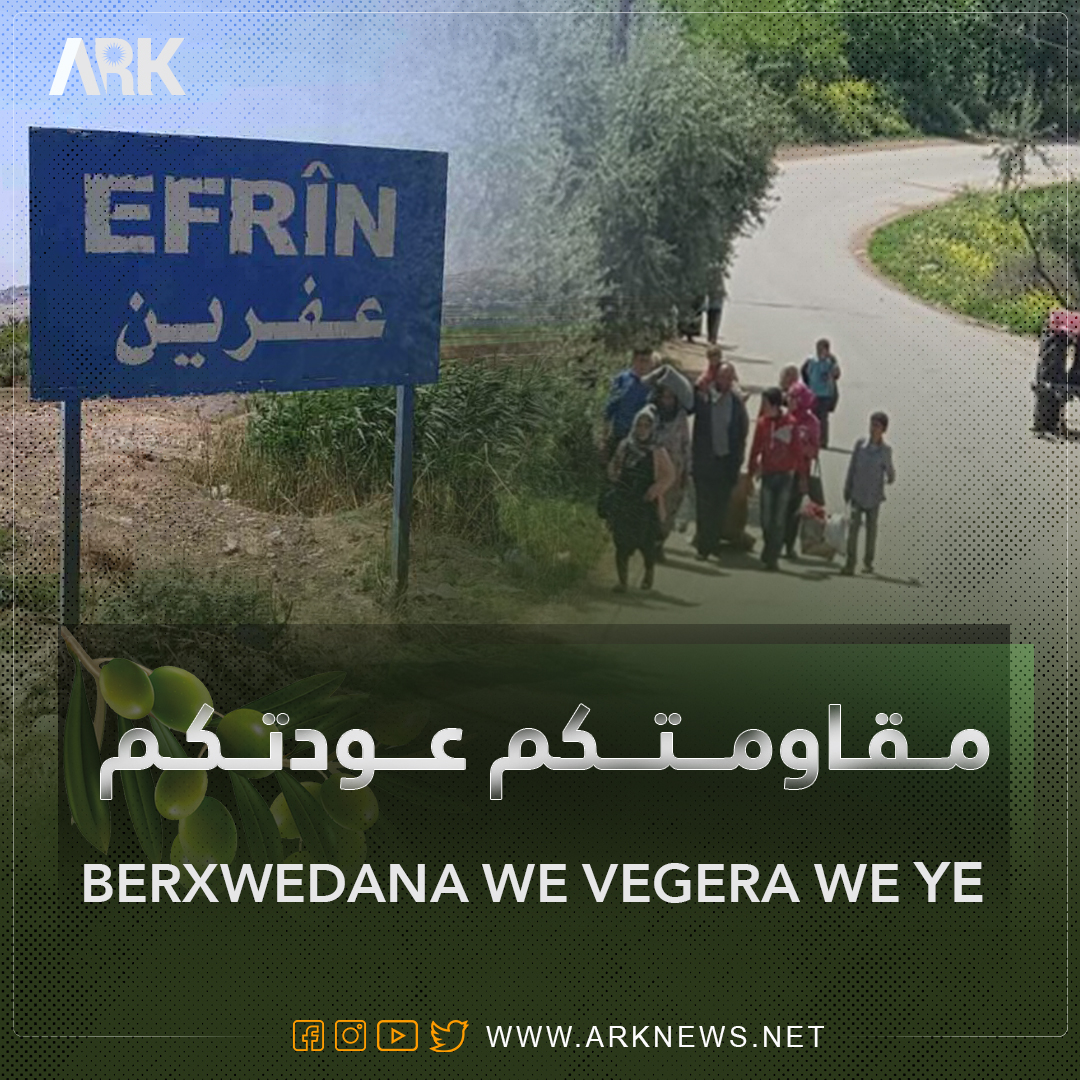
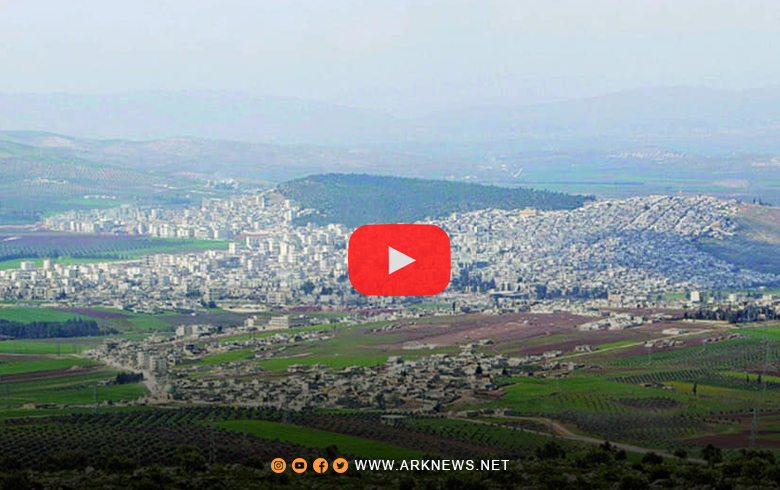
The so-called “Olive Branch” operation launched by Turkey in the Afrin region and its countryside in the spring of 2018, caused the displacement of about 500,000 Kurds, including residents of more than 20 Yezidi villages, so that the city in northwestern Syria became a settlement for Syrians from the countryside of Damascus, Idlib, and Homs.
It seems that what the people of Afrin faced more than four years ago, from the bitterness of migration and the loss of all their possessions, did not prevent them in the countries of expatriation from conjuring up their intimate memories in the green spaces stretched out with olive trees.
The family of the Yezidi refugee Iso in the Kurdistan Region, specifically in the Sheikhan area of the Duhok governorate, is trying today in the olive harvest season to go with all its soul to Afrin, and the memories of harvesting olives from the trees, each of which once carried stories of grandparents and fathers, and memories of childhood.
In a field crowded with olive trees in the Sheikhan region, Muhammad Iso picks a handful of olives between his palms. He remembers with regret the seasons of picking this fruit in his city of Afrin. “We all feel sad when we remember our fields and the beautiful times we spent during this month of the year.”
With idle eyes, Muhammad looks chaotically around the place and brings from there the moments of the fading days when the Syrian opposition factions loyal to Turkey took control of the city of Afrin and its countryside, he tells Kurdistan 24, "Those trees that we were keen to take care of since we were young, and we inherited them from our grandparents and our fathers, today it is at the mercy of those strangers who in the past worked for my father as day laborers.”
The Yezidi family of Iso, like other families of Afrin, lost all their property, agricultural lands, and olive trees, after their forced displacement to other, safer cities, but this family seems to be more fortunate than the rest of the other families, as today they work in a field full of olive trees that make them forget some of their bitterness of longing for their past.
"I had about 500 olive trees, and the total of our family's trees was about 3000, all of them are now facing their bad fate, either through uprooting or burning carried out by the national army factions," says Muhammad Iso.
With a face full of wrinkles, and trembling fingers holding a cigarette, Uncle Iso sheds tears while sitting near an olive tree, telling Kurdistan 24, "I wish to return to Afrin, although I know very well that Kurdistan is also my homeland, but " to me" Afrin remains more beautiful than all parts of the world.
"Whenever I come to this farm, I feel indescribable comfort, because I feel the spirit of my city through the fragrance of the olive trees."
In 2018, the Turkish-backed National Army took control of Afrin and expelled about 500,000 of its residents, and settled in it Syrians from the countryside of Damascus, Homs, and Idlib, who shared the properties of the people of the city, including their fields and trees, and another section of the faction fighters uprooted thousands of trees and sold them as firewood to Turkish merchants, according to activists and the Syrian Observatory for Human Rights.
Source: Kurdistan24 (translated from Arabic)
431