Syrian Grains Corporation Raises Silo Readiness Ahead of Wheat Harvest Intake
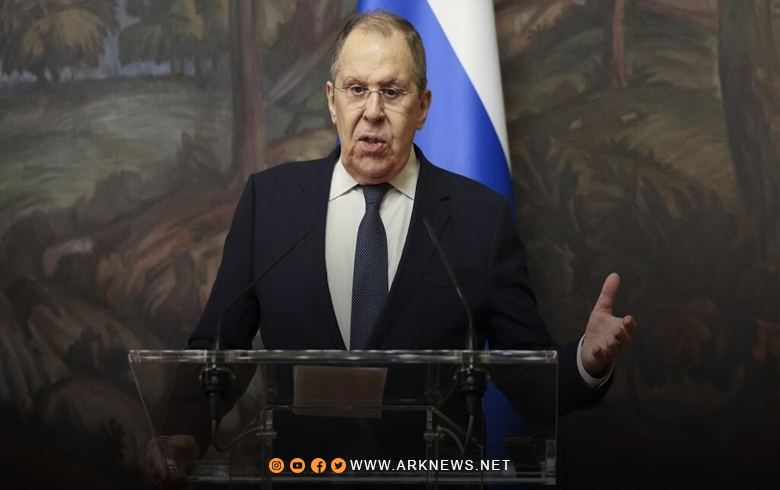
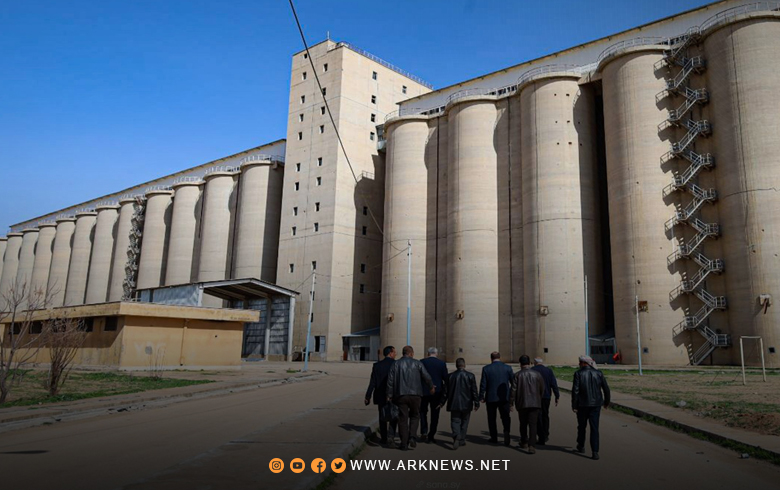
ARK News... The Syrian Grains Corporation announced that it is implementing a comprehensive plan to rehabilitate and modernize storage facilities in preparation for receiving the 2026 wheat harvest, aiming to accommodate expected quantities and improve the efficiency of storage and intake operations.
The corporation’s director-general, Hassan al-Othman, said in remarks to Syrian Arab News Agency on Saturday, May 2, 2026, that the institution’s storage infrastructure includes 37 silos, 98 smaller silo units, 14 warehouses, and 27 open storage yards. He noted that part of these facilities is now ready for operation, while others are undergoing rehabilitation according to set timelines and available resources.
Al-Othman added that the corporation has completed logistical preparations at intake centers by securing electricity, installing surveillance systems, and implementing digital solutions such as pre-booking systems, electronic weighbridges, and accounting platforms.
The centers have also been staffed with trained personnel to ensure smooth operations. He stressed that these measures will facilitate the marketing process for farmers, particularly with the extension of the procurement period, allowing for the collection of larger wheat quantities, reducing waste, and decreasing reliance on sacks.
The plan also includes increasing milling of stored grain and expanding storage capacity. Regarding wheat procurement prices, al-Othman said they have not yet been determined, noting that they will be set during an upcoming grains conference in coordination with the ministries of agriculture, finance, and other relevant bodies.
In recent years, Syria’s grain sector has faced multiple challenges, most notably a decline in cultivated areas due to climatic conditions—particularly drought—as well as damage to agricultural infrastructure and storage and transport facilities as a result of the war, all of which have impacted production levels.
195



Ahmad Hassan: Around 300,000 People Have Returned to Afrin
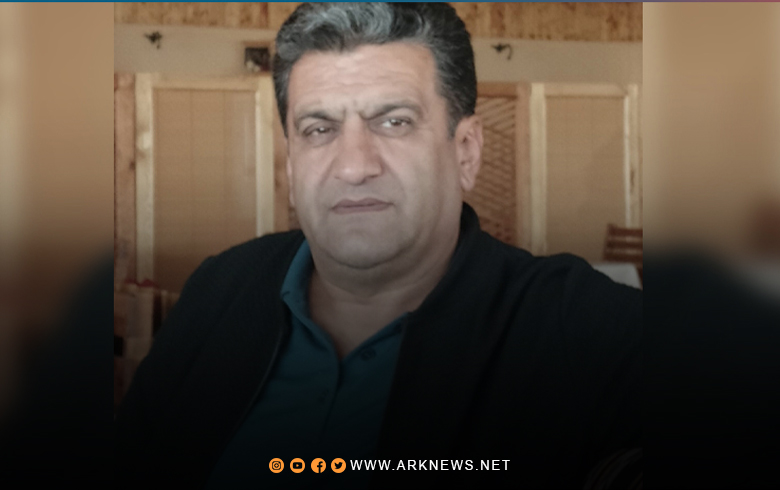
ARK News.. Ahmad Hassan, head of the Afrin local council of the Kurdish National Council in Syria, stated that the Afrin region is witnessing a large-scale return of displaced people, noting that waves of forced displacement had affected the area since the start of the Syrian conflict, particularly after 2018.
In remarks to ARK News, Hassan said that following the fall of the regime of Bashar al-Assad, many families began returning to Afrin, describing it as “the land of their forefathers.” He highlighted the role of the Kurdish National Council in encouraging returns as a sustainable solution to prevent demographic change in the area.
He added that, on the ground, committees were formed and transport provided to facilitate the return of residents from areas such as al-Shahba and rural Aleppo, alongside efforts by civil society organizations and community figures.
Hassan revealed that the number of returnees to Afrin since the regime’s fall has reached approximately 300,000 people—around 60,000 families—coming from al-Hasaka, Qamishlo, Tabqa, Raqqa, al-Shahba, Kobani, and other areas.
Property Recovery Challenges
He acknowledged ongoing difficulties in reclaiming property, noting that many returnees have not yet been able to recover their homes and businesses due to their seizure by remnants of armed factions, who in some cases demand large sums of money amid the absence of an effective deterrent force.
Hassan urged residents to resort to the courts to reclaim their rights and properties, adding that progress in this regard is being made gradually.
Remaining Displacement
He pointed out that around 8,000 families remain in Hasaka and Qamishlo and about 2,000 families in Kobani, expressing hope that they will return soon, followed by the return of displaced Arab residents to their areas as well.
Regarding Arab IDPs in Afrin, Hassan said a limited number—estimated at several thousand families—remain in the region, particularly in Afrin city, Jinderes, and some subdistrict centers. He noted that some are expected to return after the end of the school year and the resolution of administrative arrangements involving remaining factions.
Humanitarian Role
Hassan also praised the role of Masoud Barzani, highlighting the efforts of the Barzani Charity Foundation, which was deployed to Afrin just days after the devastating earthquake that struck Syria and Turkey. He described its support as a source of pride that significantly boosted morale among residents.
140
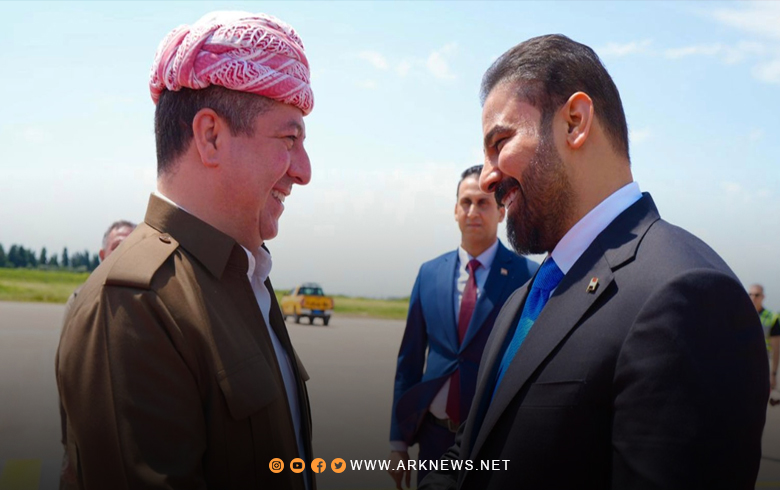
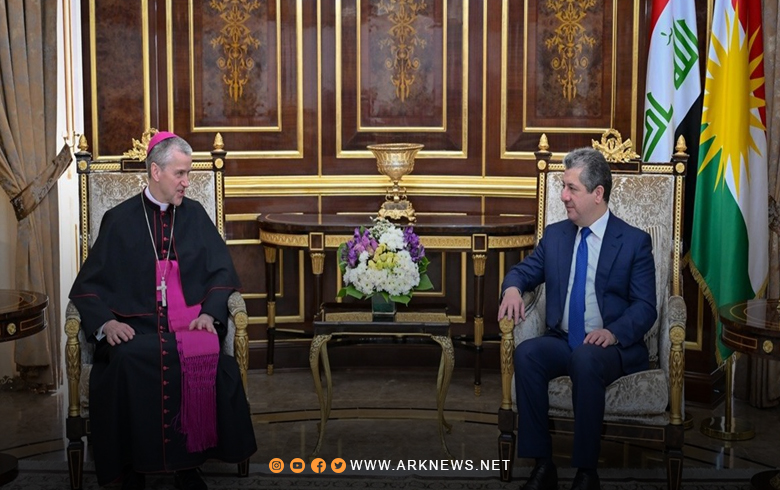
Kurdistan Region PM Receives Iraq’s Prime Minister-Designate
ARK News.. Ali al-Zaidi arrived in Erbil on Saturday, May 2, 2026, accompanied by a delegation from the Coordination Framework.
He was received at Erbil International Airport by Masrour Barzani, Prime Minister of the Kurdistan Region, along with a number of government officials.
Al-Zaidi is scheduled to hold separate meetings with Masoud Barzani, Nechirvan Barzani, and Masrour Barzani.
According to Kurdish media sources, the visit aims to discuss the formation of new governments in Iraq and the Kurdistan Region, as well as ways to improve relations between Erbil and Baghdad.
180
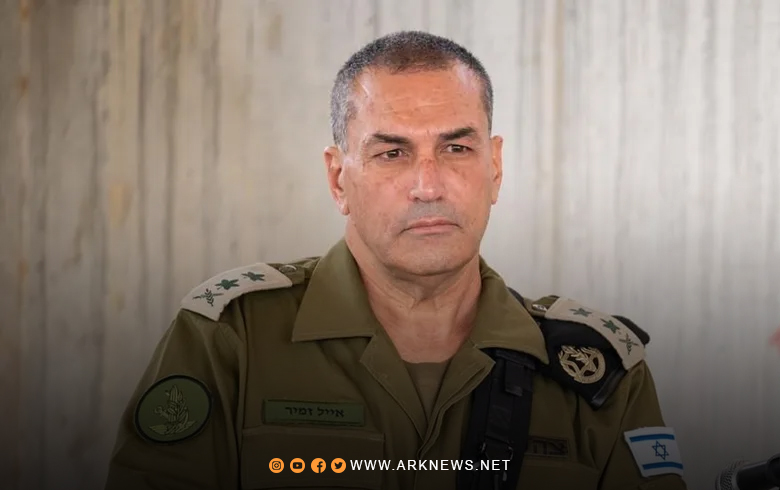
Israeli Army Chief, Forces Ready to Resume Fighting on All Fronts
ARK News.. Israel’s Chief of Staff, Eyal Zamir, has confirmed that the country’s armed forces are fully prepared to resume combat operations across all fronts, even as a ceasefire remains in effect in Lebanon and a truce deadline with Iran has been extended.
According to Hebrew media reports, Zamir said the military has been working to rebuild and reinforce its operational strength since October 7, stressing that the battle against Hamas is being decisively concluded.
He added that Israeli forces are currently engaged in what he described as “intense fighting” in Lebanon, aimed at strengthening the security of northern communities, while claiming that the army has achieved “unprecedented accomplishments” across multiple fronts.
Earlier, Iran’s Islamic Revolutionary Guard Corps warned it would deliver “crushing” strikes against what it called enemy assets in the region if hostilities resumed.
143
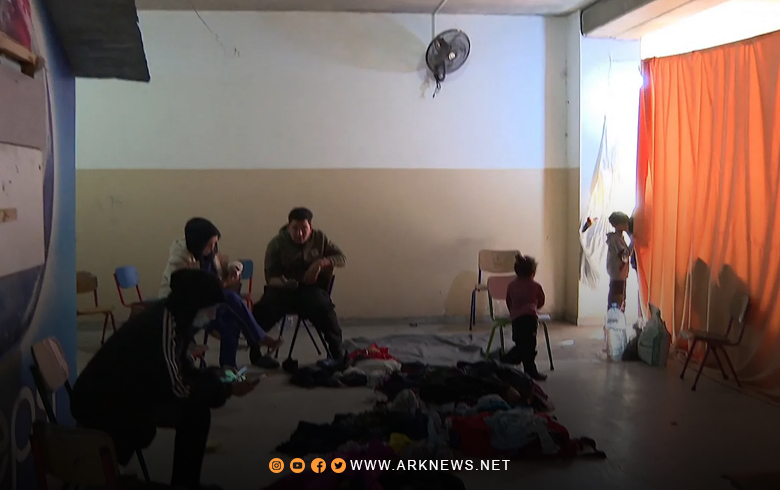
Displacement Crisis in Lebanon Reaches Catastrophic Levels
ARK News.. Lebanon’s displacement crisis has reached alarming proportions, with more than one million people forced from their homes, according to international reports, while over 150,000 are now living in camps under increasingly dire conditions.
Citing the United Nations, Associated Press reported that tens of thousands of displaced Lebanese are sheltering in emergency camps across the country. Many reside in tents or makeshift structures, with some communities enduring isolation and restricted conditions, particularly in southern Lebanon.
Estimates from the United Nations and Lebanese authorities indicate that the wave of displacement began escalating following intensified military operations on March 2, 2026, pushing displacement figures to between one million and 1.3 million people.
Data from OCHA and UNRWA show that displaced families are spread across more than 616 collective shelters. These are primarily located in schools and public buildings, concentrated in Beirut and Mount Lebanon, as well as in northern areas such as Tripoli and Akkar, and southern regions including Sidon. Additional shelters are operating in Zahle and Baalbek-Hermel in the Beka’a Valley, many of them managed by humanitarian organizations and local associations.
Relief efforts have included the distribution of over 4.2 million meals, alongside cash assistance reaching approximately 500,000 of the most vulnerable individuals. Meanwhile, UNICEF and its partners continue to provide essential supplies such as hygiene kits, baby diapers, clean drinking water, as well as psychosocial support and alternative education programs for children.
Despite these efforts, humanitarian agencies warn that funding remains critically insufficient. Less than 33 percent of the required $308 million emergency appeal has been secured, raising concerns over the sustainability of relief operations as the crisis deepens.
110
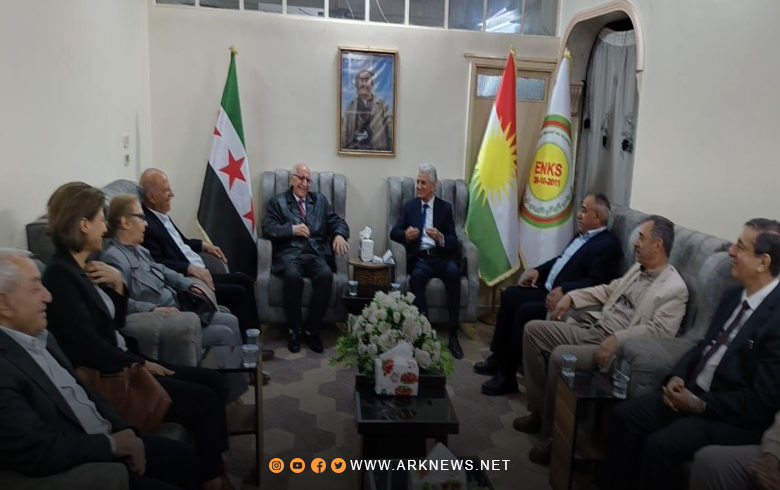
Kurdish National Council and Jazira Civil Peace Forum Discuss Key Issues in Qamishlo
ARK News.. The Kurdish National Council in Syria and the Jazira Civil Peace Forum have underscored that civil peace remains the cornerstone of safeguarding the social fabric in the Jazira region.
During a meeting held at the council’s headquarters in Qamishlo, Mohammad Ismail, head of the Kurdish National Council in Syria, alongside members of the council’s leadership, received a delegation from the Jazira Civil Peace Forum. The اللقاء came as part of ongoing efforts to strengthen dialogue and coordination between civil and political actors in the region.
Both sides stressed the importance of reinforcing civil peace at this sensitive stage, calling for unified efforts among all components to preserve stability and promote coexistence.
They emphasized that civil peace is essential to protecting the region’s diverse social fabric, highlighting the need to advance a culture of dialogue and tolerance that respects the area’s ethnic, cultural, and religious diversity.
The discussions also addressed ways to enhance cooperation between civil and political institutions, including launching joint initiatives aimed at supporting community stability and alleviating the challenges faced by residents under current conditions.
At the conclusion of the meeting, both parties expressed mutual appreciation and reaffirmed their commitment to continued coordination and communication in a manner that serves the interests of all communities in the region.
170

Nechirvan Barzani and Mohammed bin Zayed Al Nahyan Discuss Regional Developments
ARK News.. Nechirvan Barzani, President of the Kurdistan Region, was received in Abu Dhabi on Thursday, April 30, 2026, by Sheikh Mohammed bin Zayed Al Nahyan, President of the United Arab Emirates. The two sides then held a meeting.
During the meeting, they discussed ways to develop relations between the UAE and Iraq and the Kurdistan Region, and to enhance cooperation in all fields, in a manner that serves the interests and development of both sides.
They exchanged views on the latest developments and the serious repercussions of the regional situation on regional and international security and stability. In this regard, they emphasized the importance of joint action and strengthening coordination and mutual cooperation to maintain security and mitigate risks.
A number of other issues of common interest were also discussed during the meeting.
125
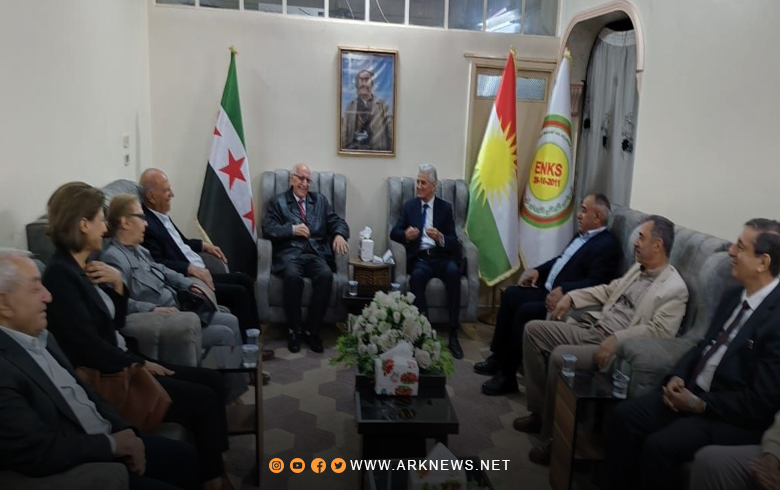
Kurdish National Council, Jazira Civil Peace Forum Discuss Key Issues
ARK News.. The Kurdish National Council and the Jazira Civil Peace Forum affirmed that civil peace represents the cornerstone of protecting the social fabric in the Jazira region.
Mohammad Ismail, head of the Kurdish National Council in Syria, along with members of the council’s leadership, received a delegation from the forum at the council’s headquarters in Qamishlo, as part of efforts to enhance dialogue and joint coordination among various civil and political actors in the region.
During the meeting, both sides stressed the importance of consolidating civil peace at this sensitive stage and the need to unify efforts among all components to preserve stability and strengthen coexistence.
They emphasized that civil peace is the fundamental pillar for safeguarding the social fabric of the Jazira region, highlighting the importance of joint work to promote a culture of dialogue and tolerance, ensuring respect for the ethnic, cultural, and religious diversity that characterizes the area.
The meeting also addressed ways to strengthen cooperation between civil and political institutions and to launch joint initiatives aimed at supporting community stability and alleviating the challenges facing residents under current conditions.
At the conclusion of the visit, both parties expressed mutual appreciation, affirming continued communication and coordination in a manner that serves the interests of all communities in the region.
161
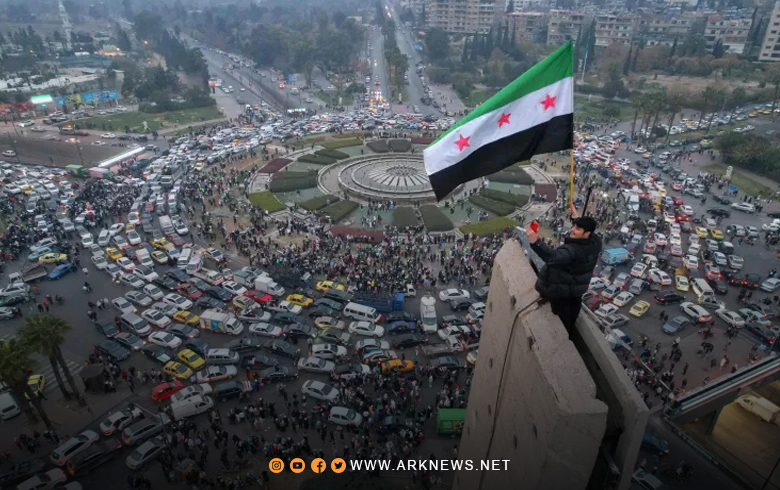
Syria ranks 141st in the 2026 Press Freedom Index
ARK News.. Reporters Without Borders released its annual Press Freedom Index report on Thursday, April 30, 2026, noting that Syria has risen to 141st place globally, up from 177th in previous years—a move that reflects a relative improvement following the political transformations the country has witnessed since late 2024.
This progress is primarily attributed to the fall of Bashar al-Assad’s regime in December 2024, an event that ended decades of strict restrictions and systematic violations against journalists and media outlets, which had persisted for more than fifty years.
According to the report, despite significant improvements in conditions for journalists across most parts of the country, press freedom remains fragile amid ongoing political instability and increasing economic pressures.
The Syrian media landscape has seen the return of several institutions that had operated in exile or in areas outside the former regime’s control. International news agencies have also resumed operations in the capital, Damascus, shortly after the political transition, signaling a relative opening in the media environment.
For decades, the ruling authority led by the Ba'ath Party imposed strict censorship on the press. Violations escalated during the protests that erupted in 2011, with journalists subjected to arrest, torture, and assassination.
In opposition-controlled areas, journalists were also exposed to intimidation and detention by armed groups, and the fate of some remains unknown. Following the fall of the regime in 2024, the new government pledged to establish a sustainable framework for independent journalism.
The political transition led to the suspension of the previous legal system, which had been used to restrict freedom of expression. The new authorities have pledged to create a more open media environment and guarantee press freedom. Meanwhile, journalists and civil society organizations are increasingly calling for the drafting of a new constitution that ensures access to information and safeguards media independence.
The media environment has been significantly affected by the social polarization resulting from years of conflict. “Media activists,” who played a key role in reporting during the war—particularly through social media—are now returning to work inside the country. They face challenges related to maintaining independence and adopting a critical stance toward the new authorities.
Although security conditions have relatively improved compared to previous years, the transitional phase has only opened the door to limited stability. The report notes that “violent clashes between government forces and religious minorities along the coast, in Rojava, and in Suwayda have exposed a large number of journalists to violence and intimidation,” while members of religious minorities remain particularly vulnerable to risks.
Share Share Share
178
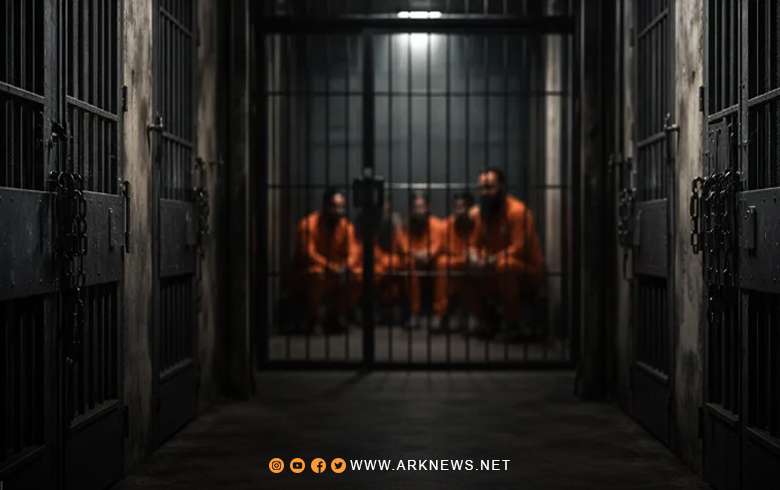
U.S. Keeps 400 ISIS Detainees in Hasaka Prison
ARK News.. A news agency has revealed that the U.S.-led international coalition has kept around 400 detainees from ISIS in al-Sana’a Prison in the city of Hasaka, northeastern Syria, without transferring them to Iraq.
According to Shafaq News, a Syrian security source said on Thursday, April 30, 2026, that “the international coalition preferred to keep certain names of ISIS members in Syrian prisons, despite transferring more than 5,000 detainees from the group to Iraq.”
The source noted that the detainees include individuals of various nationalities, including Syrian, Iraqi, and other foreign and Asian nationals.
The U.S. Central Command (CENTCOM) had announced last February the completion of the transfer of more than 5,700 ISIS detainees from Syria to Iraq.
194