The 122nd Anniversary of Mullah Mustafa Barzani's Birth
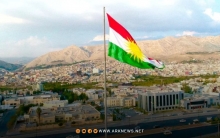
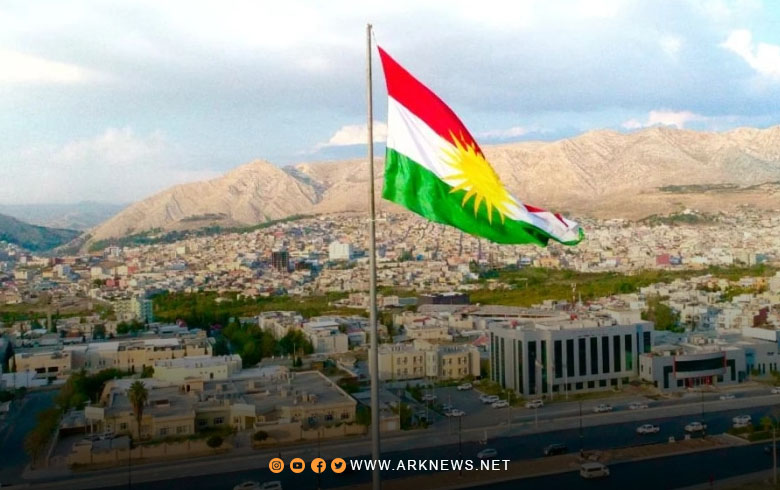
ARK News.. Today, Friday, March 14, 2025, marks the 122nd anniversary of the birth of Mullah Mustafa Barzani, the leader of the Kurdish liberation movement and the spiritual father of the Kurdish people.
Mustafa Sheikh Muhammad Barzani was born on March 14, 1903, in the village of Barzan in the Kurdistan Region. At the age of three, he was imprisoned along with his mother for nine months during an Ottoman campaign, following the arrest of his elder brother, Abdul Salam.
Coming from a religious family adhering to the Naqshbandi order, Mullah Mustafa Barzani participated in Sheikh Mahmoud Hafid’s revolution in 1919, leading a force of 300 fighters. He was later sent by Sheikh Ahmed Barzani to Sheikh Said Piran in Turkish Kurdistan to coordinate with the ongoing uprising.
During the Kurdish revolts of 1931-1932, Barzani commanded a significant force to defend the Mergasor and Sherwan fronts against the British, earning a reputation as a skilled and strategic military leader.
During World War II, he launched an armed uprising in Barzan, amassing a force of 2,500 Peshmerga fighters. The Iraqi government struggled to maintain control over the region, but after a year and a half, it mobilized a large military campaign, leading to fierce battles in August and September 1945. The Peshmerga showed fierce resistance but eventually withdrew to the Kani Rash area near the Turkish border.
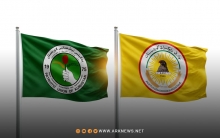
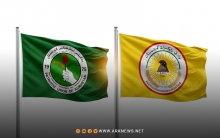
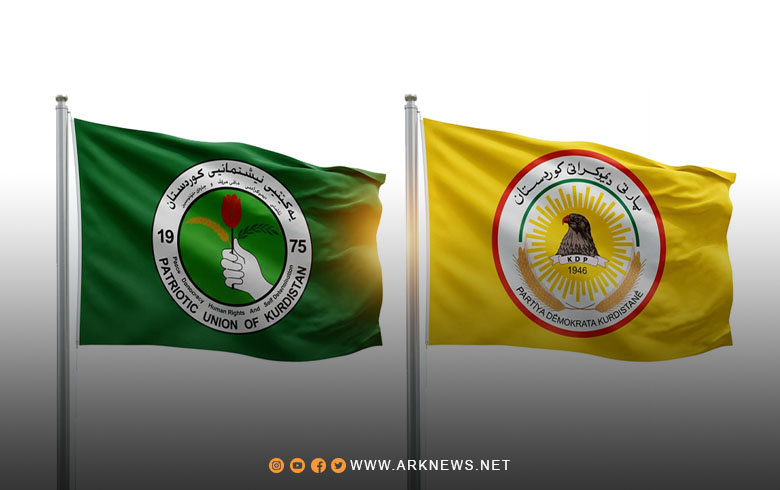
On August 15, 1945, the Kurdistan Democratic Party (KDP) was founded in Iran. Soon after, its influence spread across Kurdish areas, leading the Iraqi government to arrest party members.
On January 22, 1946, during the proclamation of the Kurdish Republic in Mahabad, Iran, Mullah Mustafa Barzani stood to the right of Qazi Muhammad and was appointed commander of the Kurdish Republic’s army, receiving the rank of “General.”
Following the end of World War II and the Soviet withdrawal from Iran, clashes erupted between Iranian forces and the Kurdish troops led by Barzani. Despite fierce resistance, the Kurdish forces retreated to the Soviet Union, where they remained in exile for 12 years.
In 1968, following a second Ba’athist coup in Iraq, Barzani entered negotiations with the government, resulting in the 1970 agreement. This deal granted the Kurds autonomy, participation in governance, and the recognition of Kurdish as an official language. However, the Iraqi government later reneged on the agreement and, in 1975, struck a deal with Iran in the Algiers Agreement to suppress the Kurdish movement.
After 1975, Mullah Mustafa Barzani fell ill and traveled to the United States for medical treatment. He passed away in 1979. His body was initially buried in Shino, Iranian Kurdistan, before being transferred to Barzan after the Kurdish uprising of March 1991 in a grand ceremony.
Today, his tomb in Barzan has become a revered site, attracting Kurdish patriots from all parts of Kurdistan each year on the anniversary of his passing. Students, academics, intellectuals, Peshmerga, and people from all walks of life visit his grave as part of an annual tradition honoring his legacy.
1652